As an Amazon Associate I earn from qualifying purchases.
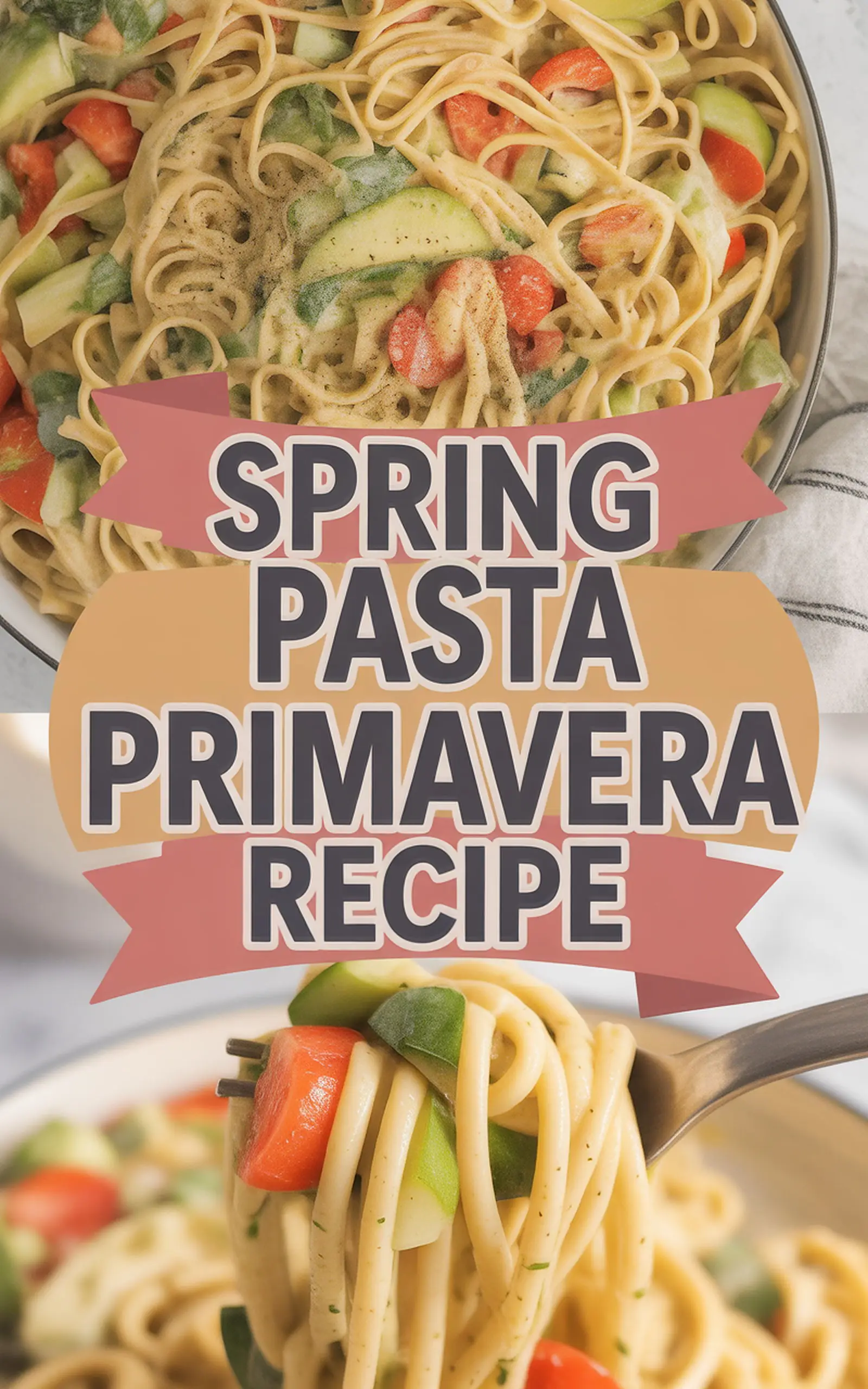
This spring pasta primavera recipe highlights fresh vegetables and simple ingredients for a quick, flavorful meal. Perfect for busy weeknights or light lunches, it comes together in under 30 minutes with minimal prep.
Bright, fresh vegetables tossed with pasta for a light, vibrant meal ready in under 30 minutes.
Spring pasta primavera is a celebration of fresh, crisp vegetables and tender pasta that captures the essence of the season. This dish offers a delightful combination of textures and vibrant colors that brighten any meal.
Perfect for a quick lunch or dinner, it comes together with simple ingredients and straightforward steps. The light lemony sauce enhances the natural sweetness of the vegetables without overpowering them.
Ideal for cooks of all skill levels, this recipe is versatile and easily adaptable to whatever spring produce is available. It’s a wholesome, satisfying meal that feels both fresh and comforting.
Recipe Overview
Why This Recipe Works
Here’s why this Spring Pasta Primavera Recipe recipe has become a go-to favorite.
Why We Love It
- Uses fresh, seasonal vegetables for peak flavor and nutrition.
- Quick and easy to prepare, perfect for busy weeknights.
- Light yet satisfying, making it great for a healthy meal.
- Versatile and adaptable to different vegetables and dietary needs.
- Vegetarian and easily made vegan with simple substitutions.
- Bright lemony flavors balance richness for a refreshing taste.
Shop the tools used in this recipe
Key Ingredients
Fresh, crisp vegetables like asparagus and peas provide the signature springtime crunch and sweetness essential to this dish. Using freshly grated Parmesan cheese adds a nutty depth that elevates the simple flavors.
Gather these fresh ingredients to create a colorful, flavorful pasta primavera. Grouped by component for easy prep:
Ingredient Notes
- For the Pasta and Vegetables
- 12 oz penne or fusilli pasta
- 1 cup asparagus, trimmed and cut into 1-inch pieces
- 1 cup sugar snap peas, trimmed
- 1 cup cherry tomatoes, halved
- 1/2 cup fresh peas (or frozen, thawed)
- 1 small yellow bell pepper, thinly sliced
- 2 cloves garlic, minced
- 2 tbsp olive oil
- For the Sauce
- 1/2 cup vegetable broth
- 1/4 cup freshly grated Parmesan cheese
- 1 tbsp lemon juice
- 1 tsp lemon zest
- Salt and freshly ground black pepper, to taste
- 1/4 tsp crushed red pepper flakes (optional)
- For Garnish
- 2 tbsp fresh basil, chopped
- Extra Parmesan cheese, for serving
Get 100+ step-by-step, printable recipe cards with lifetime access—no more endless scrolling through blog posts.
One printable guide · $19.99 · yours forever
Equipment Needed
Step-by-Step Instructions
Follow these straightforward steps to prepare your spring pasta primavera with fresh, crisp vegetables and a light sauce.
Visual cue: Pasta should be tender but still firm to the bite.
Pro Tip
Reserve some pasta cooking water before draining; adding a splash to the sauce helps it cling beautifully to the pasta and vegetables.
Success Tips
- Use fresh, seasonal vegetables for the best flavor and texture.
- Don’t overcook the pasta; al dente texture keeps the dish lively.
- Reserve pasta water to adjust sauce consistency and help it cling to pasta.
- Add lemon zest and juice for brightness that balances the richness of cheese.
- Toss pasta and veggies together off the heat to avoid overcooking delicate ingredients.
- Serve immediately for the best texture, or enjoy at room temperature.
Ingredient Swaps
If you want to customize or adapt the recipe, consider these ingredient swaps:
Best Substitutions
- Use zucchini or broccoli florets instead of asparagus for different vegetable options.
- Swap penne for whole wheat or gluten-free pasta to suit dietary needs.
- Replace Parmesan with nutritional yeast for a vegan alternative.
- Use lime juice instead of lemon for a slightly different citrus note.
- Olive oil can be substituted with avocado oil for a milder flavor.
Frequently Asked Questions
Q: Can I freeze pasta primavera?
A: Freezing is not recommended as the vegetables tend to become mushy and lose their texture upon thawing.
Q: Can I make this recipe ahead of time?
A: Yes, you can prepare the vegetables and sauce in advance, but toss with pasta and cheese just before serving for best texture.
Q: Is this recipe vegan?
A: It can be made vegan by omitting the Parmesan or substituting it with nutritional yeast.
Q: What pasta shapes work best?
A: Short, ridged pastas like penne or fusilli work well to hold the sauce and vegetables.
Storage Tips
To keep leftovers fresh and tasty, follow these storage guidelines:
Storage & Reheating
- Store pasta primavera in an airtight container in the refrigerator for up to 3 days.
- Reheat gently in a skillet over low heat with a splash of water or broth to prevent drying out.
- Avoid freezing as the vegetables may lose their texture and become mushy.
- If storing before adding cheese, keep cheese separate and add fresh when serving.
What to Serve With It
Complement your pasta primavera with these delicious sides and additions:
Serving Suggestions
- A crisp green salad with a light vinaigrette
- Garlic bread or crusty baguette
- Chilled white wine like Pinot Grigio or Sauvignon Blanc
- Light roasted chicken or grilled shrimp for added protein
Spring Pasta Primavera Recipe
Ingredients
- For the Pasta and Vegetables
- ☐ 12 oz penne or fusilli pasta
- ☐ 1 cup asparagus, trimmed and cut into 1-inch pieces
- ☐ 1 cup sugar snap peas, trimmed
- ☐ 1 cup cherry tomatoes, halved
- ☐ 1/2 cup fresh peas (or frozen, thawed)
- ☐ 1 small yellow bell pepper, thinly sliced
- ☐ 2 cloves garlic, minced
- ☐ 2 tbsp olive oil
- For the Sauce
- ☐ 1/2 cup vegetable broth
- ☐ 1/4 cup freshly grated Parmesan cheese
- ☐ 1 tbsp lemon juice
- ☐ 1 tsp lemon zest
- ☐ Salt and freshly ground black pepper, to taste
- ☐ 1/4 tsp crushed red pepper flakes (optional)
- For Garnish
- ☐ 2 tbsp fresh basil, chopped
- ☐ Extra Parmesan cheese, for serving
Instructions
-
1
Bring a large pot of salted water to a boil and cook the pasta according to package instructions until al dente. Reserve 1/2 cup of pasta water before draining.Visual cue: Pasta should be tender but still firm to the bite.
-
2
While pasta cooks, heat olive oil in a large skillet over medium heat. Add minced garlic and sauté until fragrant and golden, about 1 minute. -
3
Add asparagus, sugar snap peas, and bell pepper to the skillet. Cook until vegetables are crisp-tender and bright in color, about 4-5 minutes. -
4
Stir in cherry tomatoes, fresh peas, lemon zest, and red pepper flakes (if using). Cook for another 2 minutes until tomatoes soften slightly. -
5
Add the drained pasta to the skillet with vegetables. Pour in vegetable broth, lemon juice, and toss to combine. Add reserved pasta water a little at a time to loosen the sauce as needed. -
6
Remove from heat and stir in grated Parmesan cheese until melted and coating the pasta evenly. Season with salt and pepper to taste. -
7
Garnish with fresh basil and extra Parmesan before serving warm. -
8
Enjoy your vibrant spring pasta primavera!
Did You Make This Spring Pasta Primavera Recipe?
We’d love to hear how it turned out. Leave a rating and comment below.