As an Amazon Associate I earn from qualifying purchases.
National Parks call travelers seeking wide-open trails and dramatic viewpoints, with National Parks offering waterfalls, deserts, mountains, and wildlife across unmatched landscapes. Planning a National Parks trip combines hikes, scenic drives, camping, and cozy lodges for every pace.
From iconic National Parks to hidden park gems, national park travel includes ranger programs, sunset viewpoints, guided tours, and park maps that help plan a national parks vacation, park visit, or unforgettable outdoor trip.
Watch Old Faithful Erupt at Yellowstone Park
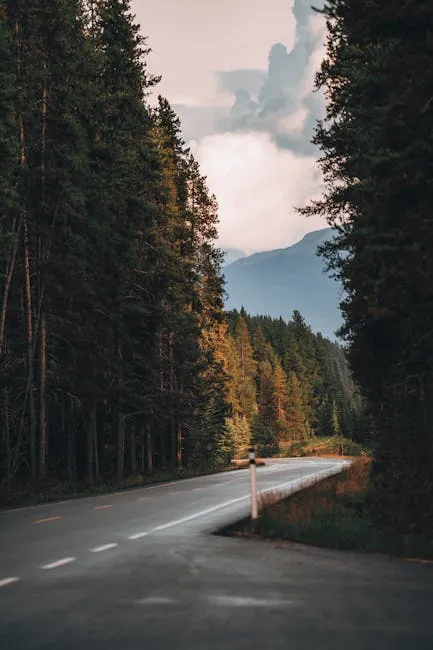
Photo by Sean Kernerman on Pexels
Geysers and steaming pools dominate Yellowstone, where Old Faithful reliably sends a plume skyward on a timed schedule. Boardwalks thread through thermal basins, and color-rich hot springs sit near walking paths that reveal subtle mineral patterns and constant geothermal activity across the park landscape.
Wildlife sightings complement thermal wonders, with bison grazing near roads and elk in meadows. Visit viewpoints early or late for softer light, pack layered clothing for changing steam and wind, and allow time for ranger talks at visitor centers to understand the park’s geothermal forces.
South Rim Views at Grand Canyon National Park
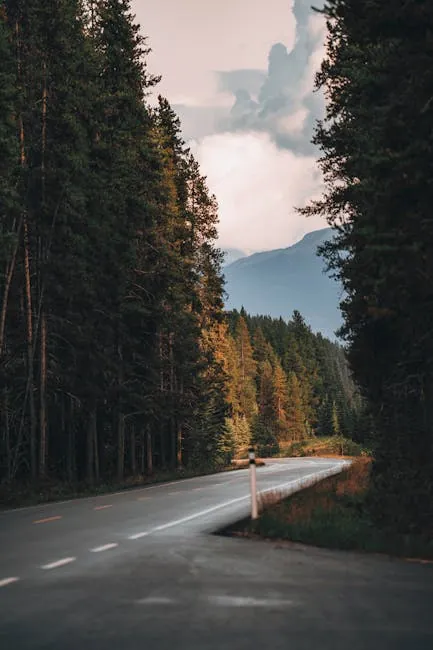
Photo by Sean Kernerman on Pexels
The Grand Canyon’s South Rim presents endless layered cliffs and shadowed ledges that stretch toward the horizon. Rim trails and overlooks line the edge, offering multiple angles on rock bands carved by the Colorado River, while visitor centers provide geology exhibits and trail maps for planning.
Sunrise and sunset transform colors across canyon walls, and shuttle routes connect popular viewpoints to quieter spots. Hikes range from short rim walks to steep descents, so prepare water, sturdy shoes, and an early start when tackling longer trails to avoid heat and crowds.
Half Dome Vistas from Glacier Point, Yosemite
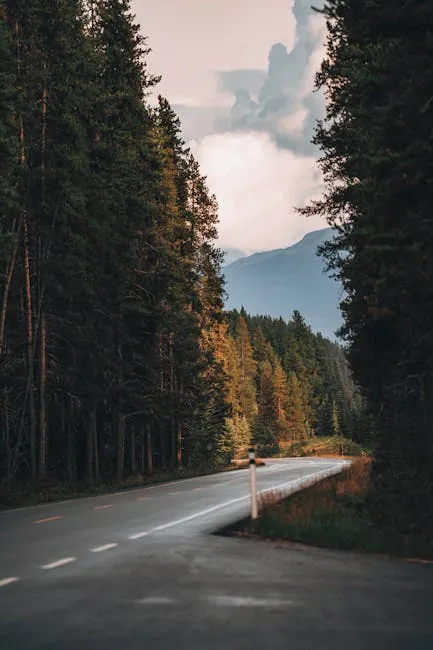
Photo by Sean Kernerman on Pexels
Glacier Point frames Half Dome and Yosemite Valley with sweeping perspectives that compress waterfalls and granite into a single panorama. Overlook trails lead from parking areas to railings and viewpoints, where lenses catch sheer cliffs and distant forests beneath a vast sky above the valley floor.
Evening light sculpts granite tones, and seasonal snow provides contrast through winter and spring. Shuttle access and timed parking help during peak months, while ranger-led programs at the point explain glacial geology and the human history of Yosemite’s carved landscapes.
Download printable itineraries, packing lists, and travel guides with high-resolution maps sent to your email immediately for your next trip.

One printable guide · $19.99 · yours forever
Lake Louise Serenity in Banff National Park, Canada
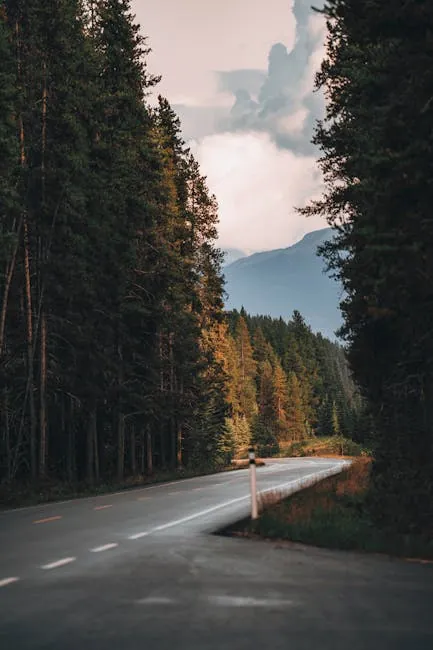
Photo by Sean Kernerman on Pexels
Lake Louise glows with turquoise water cradled by mountain peaks and a historic lakeside hotel. Rowboats glide across calm surfaces while hikers set off along the shore toward glacier-fed viewpoints that capture reflections and cirques sculpted by ice ages, offering a striking alpine water scene.
Trails of varying lengths start at the lake, including routes to nearby teahouses and high ridgelines. Arrive early for quieter water scenes, layer for sudden weather changes, and note that park entry points bustle during summer months when the palette is at peak color.
Paine Massif Peaks in Torres del Paine, Chile
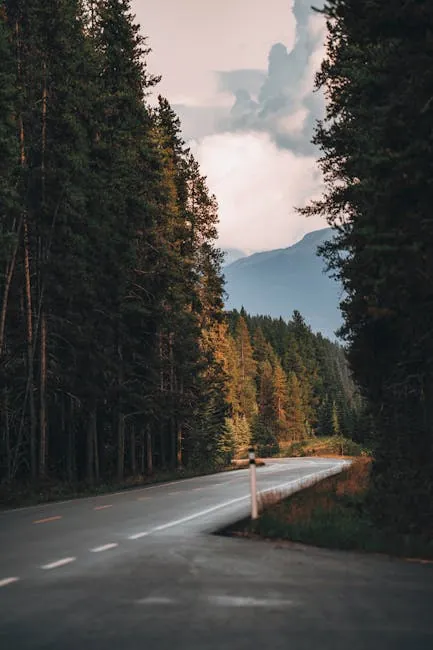
Photo by Sean Kernerman on Pexels
Towers of granite rise above lenga forests and glacial lakes in Torres del Paine, where trails weave past emerald waters and moraine-strewn valleys. The park’s signature peaks, mirrored in quiet lakes, anchor trekking circuits that range from day hikes to multi-day routes crossing varied Patagonian terrain.
Weather shifts rapidly, so waterproof gear and layered clothing are standard for any outing. Campsites and refugios serve popular trail sections, while boat crossings and viewpoint climbs reward patience with expansive vistas of glaciers, serrated ridgelines, and wind-swept pampas.
Big Five Safari Routes in Kruger National Park
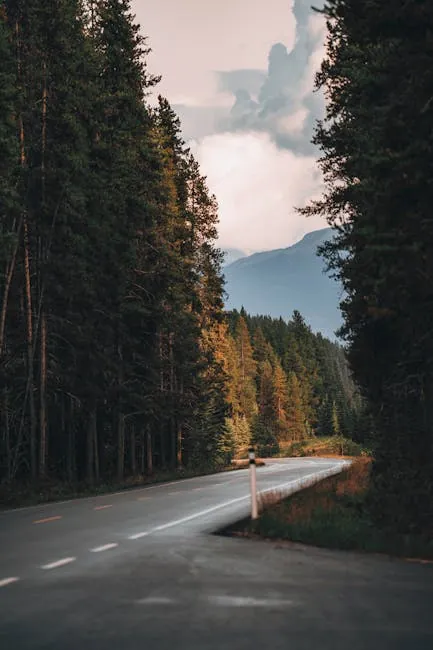
Photo by Sean Kernerman on Pexels
Kruger’s wide savannahs, acacia stands, and river corridors host iconic African wildlife on drive routes that range from self-guided loops to guided game drives. Morning and evening drives concentrate activity around waterholes and shade belts where elephants, lions, leopards, buffalo, and rhinos frequent the landscape.
Park camps and rest camps offer basic to upgraded accommodations near popular tracks, while road conditions vary by season. Early starts increase sighting chances, and local guides read spoor and behavior patterns to locate animals while minimizing disturbance to wildlife routines and habitats.
Hike The Narrows: Zion’s Slot Canyon Experience
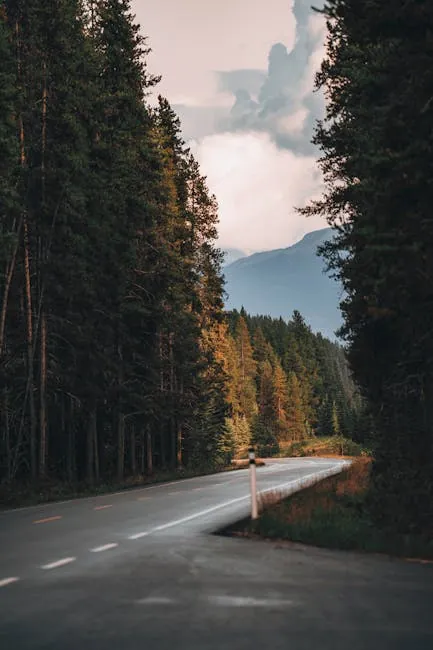
Photo by Sean Kernerman on Pexels
The Narrows in Zion channels a hiking path through a towering slot canyon where the Virgin River becomes the trail between steep sandstone walls. Water levels and light angles change the mood as hikers wade, scramble, and follow riverine pools in a landscape carved over millennia.
Check river flow advisories and wear water-friendly footwear with traction for slippery stones. Short day hikes near the canyon mouth offer accessible glimpses, while full-length routes demand preparation, permits in some seasons, and awareness of sudden weather-driven flash flood risks.
Walk Wooden Boardwalks at Plitvice Lakes Park
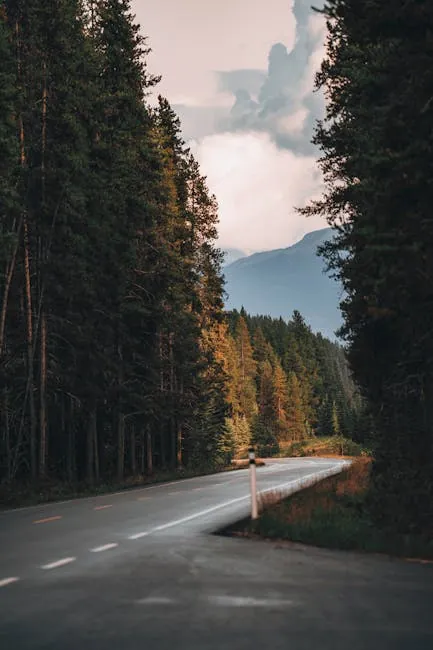
Photo by Sean Kernerman on Pexels
Plitvice Lakes stitches a sequence of turquoise pools and cascading falls together with wooden boardwalks that thread across upper and lower lakes. Moss-lined rocks and limestone terraces create vivid color contrasts while multiple viewpoints reveal waterfalls of varying scale and volume among dense beech and pine forests.
Timed visitor flow keeps boardwalks pleasant during peak months, and boat shuttles connect distant lake sectors. Paths offer loops from short strolls to longer circuits, while early mornings add quieter light and calmer water reflections for photography and reflection.
Cruise the Waterfalls of Milford Sound, New Zealand
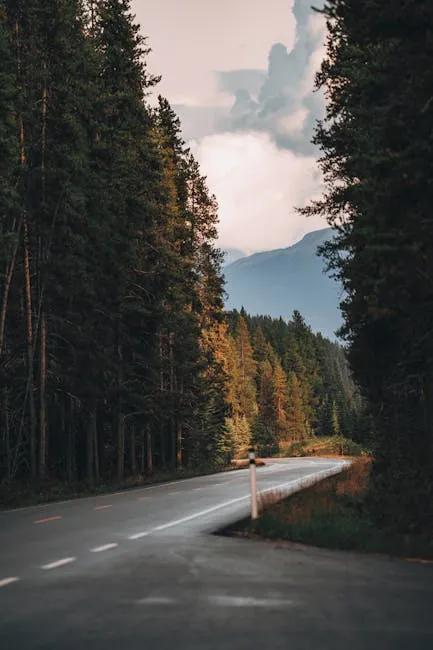
Photo by Sean Kernerman on Pexels
Milford Sound cuts deep into Fiordland with towering cliffs that funnel waterfalls directly into the fjord’s dark water. Cruise vessels and smaller kayaks glide past sheer faces, where seabirds perch and cold, high-rainfall forests cling to vertical rock, producing a sense of remote coastal enclosure.
Weather changes rapidly, often bringing rain that fuels waterfalls and mists. Boat tours offer different vantage points, while overnight options provide quiet hours and starry skies above peaks. Bring waterproof layers and camera protection for salt spray and cascade mist.
See Komodo Dragons on Rinca Island, Indonesia
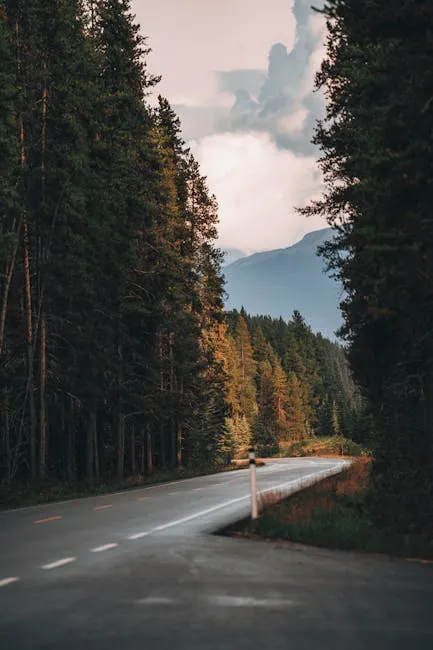
Photo by Sean Kernerman on Pexels
Komodo National Park protects Komodo dragons roaming savannah slopes and coastal scrub on islands like Rinca. Guided treks track reptiles from safe distances while park rangers interpret feeding behavior and nesting zones. Rugged shorelines meet clear bays where snorkeling complements terrestrial wildlife encounters.
Visits follow strict safety protocols around dragons, and boat transfers connect islands with ranger-led walks. Combining sea and land activities offers a fuller sense of the park’s biodiversity, including marine life, migratory birds, and endemic plant communities along the coast.
Snorkel Coral Gardens on the Great Barrier Reef
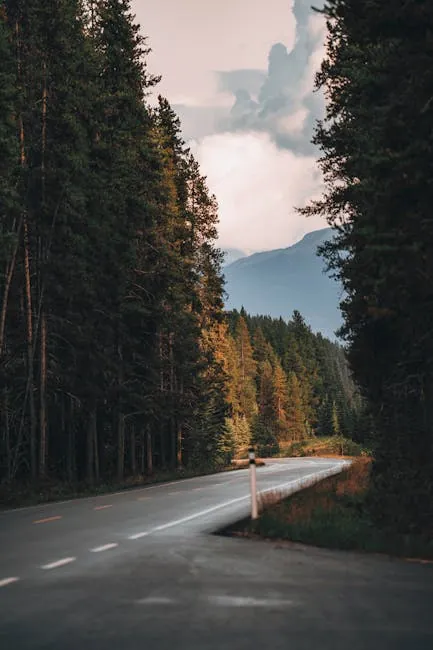
Photo by Sean Kernerman on Pexels
The Great Barrier Reef Marine Park spans vast coral formations teeming with fish, turtles, and soft corals accessible by day trips from Queensland harbors. Snorkel floats reveal coral bommies and shallow lagoons, while certified dive operators guide deeper explorations of reef walls and channels.
Marine park regulations protect sensitive areas and require mooring on designated buoys to limit anchor damage. Seasonal conditions and water clarity vary, so operators adjust sites for visibility, and briefings outline safe distances from wildlife and coral for both snorkelers and divers.
Everest Base Camp Views in Sagarmatha National Park
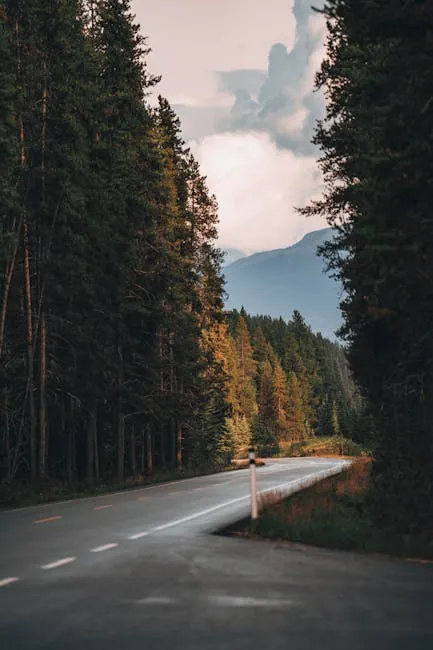
Photo by Sean Kernerman on Pexels
Sagarmatha National Park frames high Himalayan terrain, with trails rising through Sherpa villages toward Everest Base Camp and panoramic viewpoints. Tea houses follow trekking routes, offering hot meals and rest while stone stairways, suspension bridges, and prayer flags mark cultural routes through glacial valleys.
Acclimatization days are standard while ascending to higher altitudes, and guided treks pair local knowledge with route planning. Weather windows matter for summit and viewpoint visibility, and responsible trekking respects local customs, waste guidelines, and fragile alpine ecosystems.
Colorful Villages of Cinque Terre, Italy
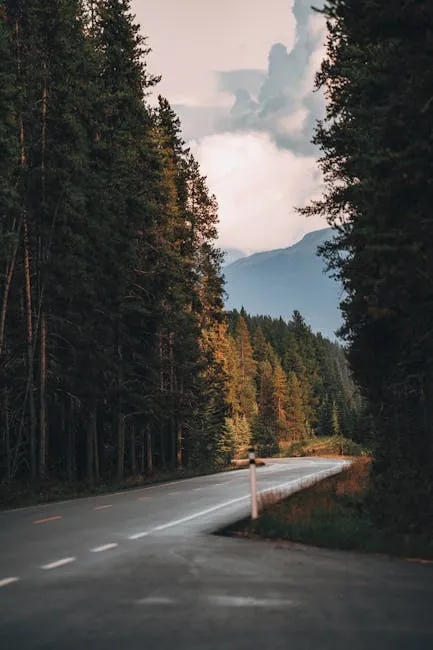
Photo by Sean Kernerman on Pexels
Cinque Terre National Park clusters five coastal villages on steep terraced cliffs where narrow lanes, pastel houses, and seaside harbors define the shoreline. Coastal trails link towns over headlands, offering changing glimpses of fishing boats, cliff gardens, and terraced vineyards that slope to the sea.
Train service eases access between villages while footpaths traverse viewpoints and vineyard steps. Peak months bring crowds, so early or late walks reward quieter lanes. Local eateries serve regional seafood and focaccia that reflect maritime and hillside culinary traditions.
Drive Going-to-the-Sun Road in Glacier National Park
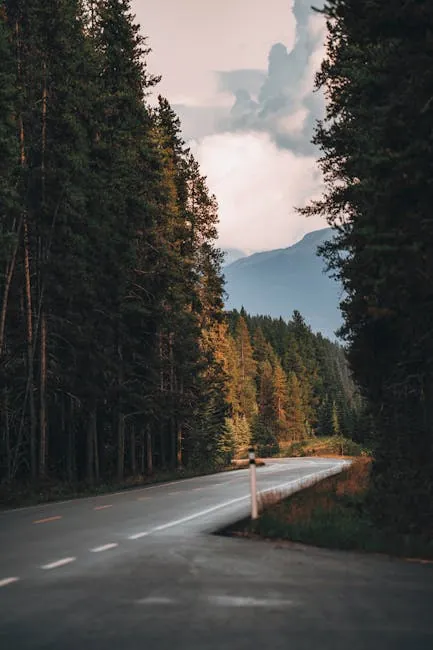
Photo by Sean Kernerman on Pexels
Going-to-the-Sun Road winds high through Glacier National Park, slicing between alpine meadows, glacial valleys, and rugged peaks. Hairpin turns and narrow ledges open into sweeping viewpoints that frame ice-fed lakes and hanging glaciers while roadside pullouts invite brief hikes and photo stops.
Seasonal openings depend on snow removal, so check road status before travel. Wildlife like mountain goats and marmots populate rock bands, and higher elevations remain cool even in summer, so layer clothing and plan stops to enjoy viewpoint trails and visitor center exhibits.
Airboat Adventures Through Everglades Marshes
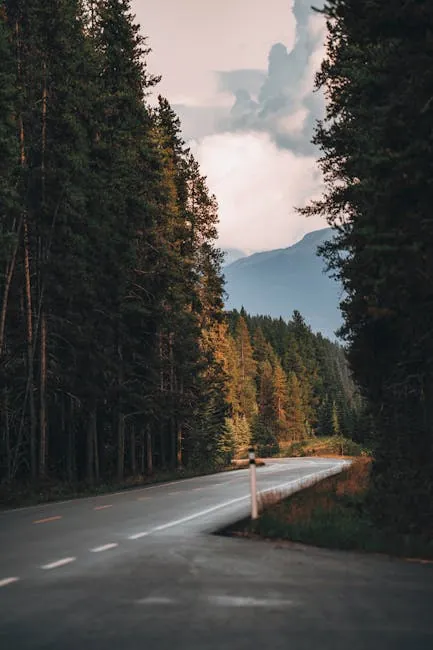
Photo by Sean Kernerman on Pexels
Everglades National Park spreads sawgrass prairies, mangrove corridors, and tidal estuaries fed by slow-moving water. Airboat tours skim shallow channels past alligator habitats and wading bird rookeries, while hiking trails and canoe routes explore quieter freshwater sloughs and coastal mangrove forests.
Seasonal water levels alter wildlife patterns, concentrating species around remaining pools during dry months. Park ranger programs explain hydrology and restoration efforts, and visitors are encouraged to follow wildlife viewing codes to reduce disturbance along fragile wetland edges.
Hooker Valley Track at Aoraki / Mount Cook
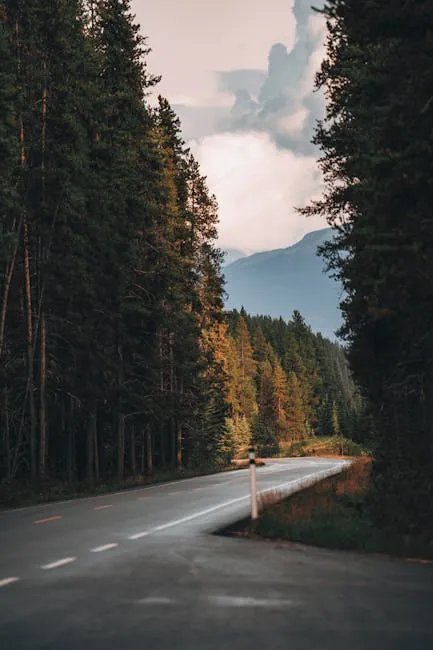
Photo by Sean Kernerman on Pexels
Aoraki/Mount Cook National Park centers New Zealand’s highest peak, framed by glacial valleys and alpine meadows. The Hooker Valley Track offers accessible, well-marked trails crossing swing bridges with views of ice-carved landscapes and terminal glacial lakes that capture mountain reflections on calm days.
Weather can shift from sun to wind-driven clouds, so bring warm layers and waterproofs for alpine exposure. Short tracks and alpine huts create options for day hikers and overnight stays, while stargazing benefits from dark-sky conditions away from coastal lights.
Mount Denali Wilderness in Denali National Park
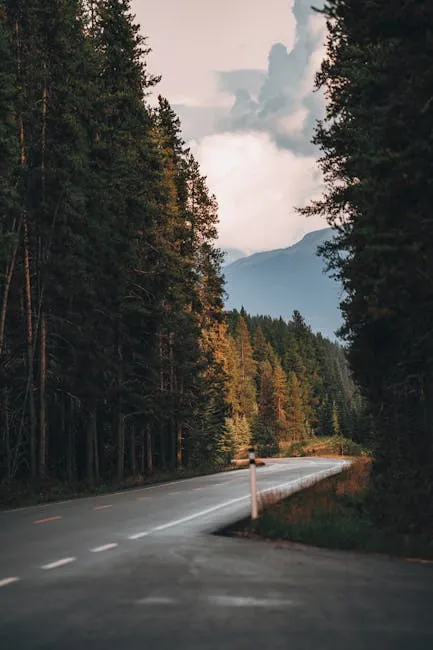
Photo by Sean Kernerman on Pexels
Denali National Park centers on Alaska’s tallest peak, with tundra expanses, braided rivers, and moraine fields stretching beneath glacial ridgelines. Bus routes penetrate deep into the park, revealing caribou, bears, and Dall sheep on open slopes while alpine weather sculpts dramatic light across the range.
Road access is limited beyond park entry points, so guided tours and buses provide deeper exploration. Summer months bring long daylight and insect activity, while fall opens crisp air and aurora viewing. Pack layers for sudden temperature swings and unpredictable mountain storms.
Swim and Hike to Jim Jim Falls in Kakadu
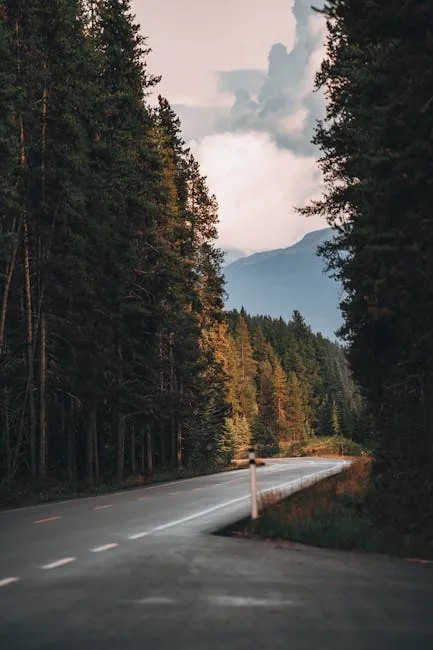
Photo by Sean Kernerman on Pexels
Kakadu National Park mixes sandstone escarpments, billabongs, and Aboriginal rock art across tropical Top End landscapes. Jim Jim Falls plunges into a remote plunge pool framed by sheer cliffs and pandanus groves, reached by rugged tracks that reward with cool water and echoing waterfalls in the wet season.
Access depends heavily on seasonal road conditions and park permits in some zones. Cultural protocols protect rock art sites, and guided tours highlight indigenous heritage and seasonal ecology while advising on safe swimming spots and sun protection under tropical sun.
Saguaro Cactus Forests at Sunset, Arizona
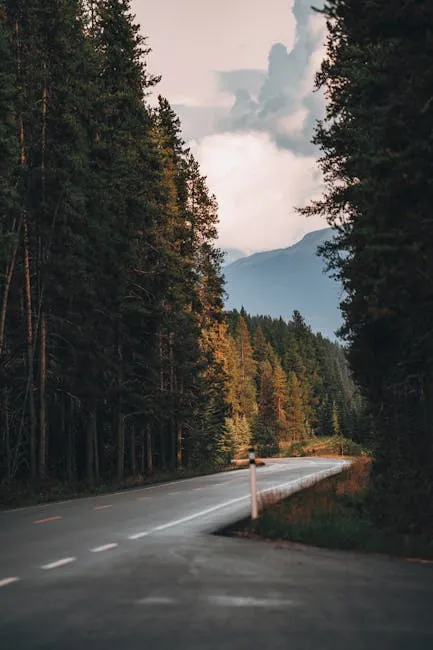
Photo by Sean Kernerman on Pexels
Saguaro National Park preserves stands of towering cacti silhouetted against desert skies near Tucson, where spiny columnar giants punctuate creosote flats and rocky slopes. Trails weave through cactus gardens and wash crossings, offering outlooks where sunset paints long shadows and sky gradients above the Sonoran Desert.
Desert conditions call for sun protection, ample water, and heat awareness when hiking midday. Spring wildflowers and cactus blooms activate color displays, while cooler months provide more comfortable daytime walking and clearer night skies for stargazing away from city glow.
Icebergs at Jökulsárlón in Vatnajökull Park, Iceland
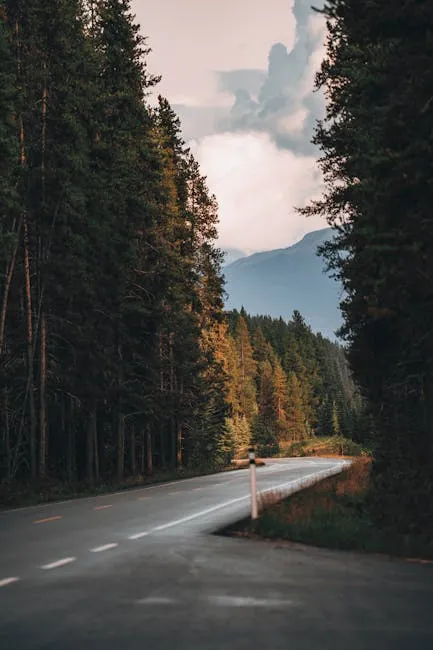
Photo by Sean Kernerman on Pexels
Vatnajökull National Park includes glacial lagoons where icebergs calve from glaciers and drift toward the sea, most famously at Jökulsárlón. Black-sand beaches gather glittering ice fragments, and zodiac or boat tours navigate among floating bergs with a backdrop of glaciated peaks and wide Arctic light.
Seasonal seals and migratory birds frequent the lagoon margins while photographers favor low-angle light in shoulder seasons. Glacial safety and tour briefings are essential, and ice morphology changes with melt patterns, revealing new shapes and blue tones over weeks and months.
Delicate Arch at Sunset in Arches National Park
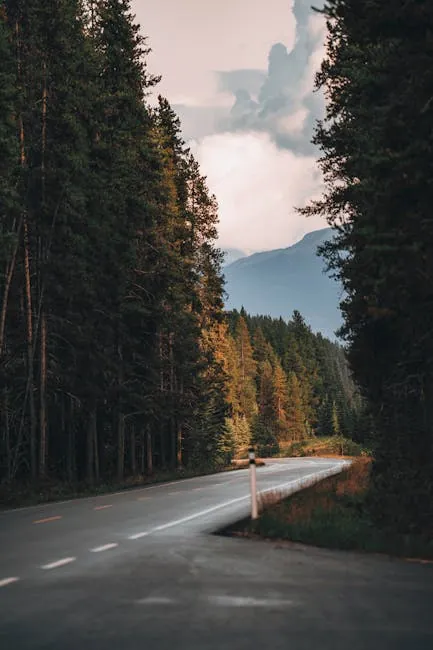
Photo by Sean Kernerman on Pexels
Arches National Park showcases thousands of erosion-carved arches and fins, with Delicate Arch standing alone on a sandstone amphitheater. A trail leads up slickrock and along a narrow ridge to a viewpoint where the arch frames distant La Sal Mountains against wide desert skies.
Late afternoon light adds warm tones to red rock while cooler hours greet early hikers. Trail footing includes uneven stone, so wear supportive shoes. Park trails and backcountry areas require water and sun protection in summer and layered warmth in colder months.