As an Amazon Associate I earn from qualifying purchases.
Desert Stargazing Camps offer nights where the Milky Way sweeps across the sky and the horizon feels endless. These desert stargazing camps combine remote campsites, low light, and crisp air for night views that outclass urban skies.
Many desert astronomy programs pair local guides with compact telescopes and storytelling rooted in local cultures. High altitude, dry climates, and wide-open terrain lengthen clear viewing windows for constellations, planets, and meteor activity.
From the Atacama to the Sahara, Desert Stargazing Camps appear across continents while sharing the same uninterrupted starfields. Choosing a Desert Stargazing Camp often comes down to access, elevation, and the scenery used as a night-sky foreground.
Sleep under Wadi Rum’s endless stars
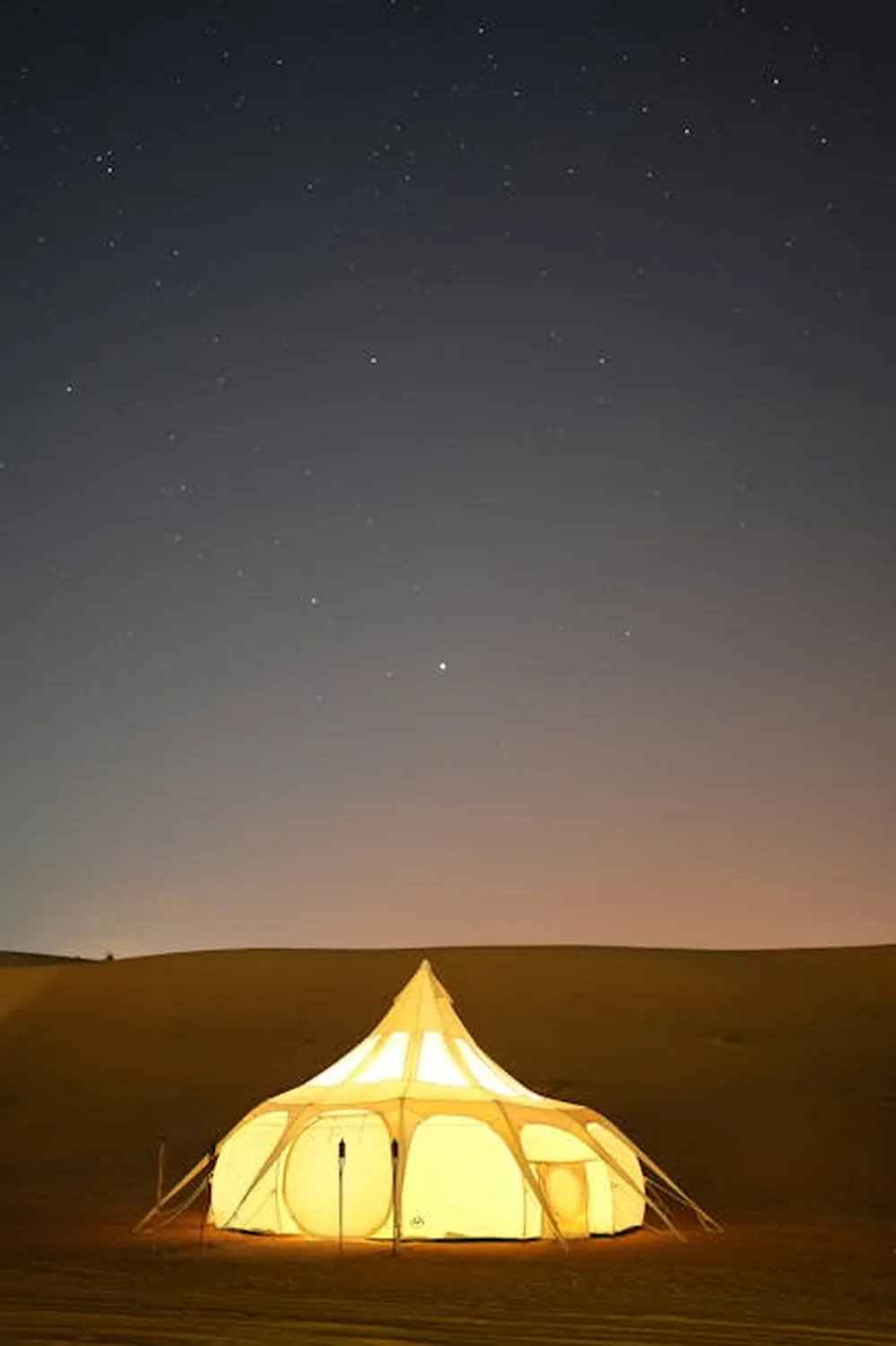
Photo by Hugo Sykes on Pexels
Tall sandstone ridges frame Wadi Rum’s desert floor, and the sky opens into a vast Milky Way arc. Camp lights are deliberately low so the stars dominate the night.
Traditional Bedouin tents sit beside campfires where guides point out constellations and share local sky lore. Jeep silhouettes and occasional desert winds add rhythm to long evenings under the galaxy.
Overnight stays range from basic desert tents to cushioned rock camps with private stargazing mats. Access by 4×4 from Aqaba or Petra makes Wadi Rum a dramatic night-sky stop.
Merzouga Camel Camp: Erg Chebbi night skies
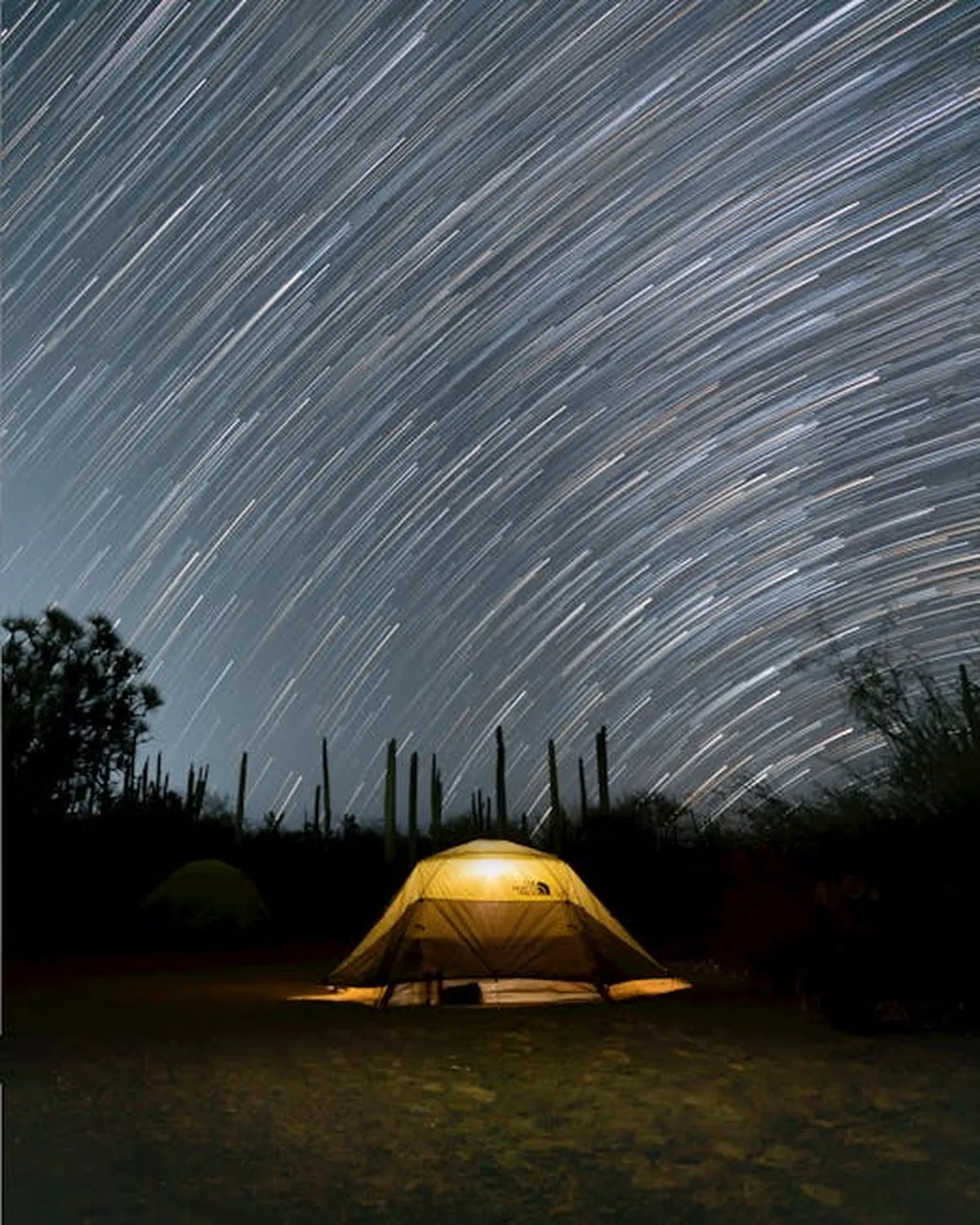
Photo by TonRay Navy on Pexels
Erg Chebbi’s towering sand waves host Merzouga desert camps that drop light pollution to nearly zero. The Milky Way arches directly over nightly camel caravans and wind-sculpted dunes.
Berber camps offer mint tea, drum circles, and telescope sessions led by local guides. Sunrise and sunset silhouettes reshape the dunes into layered tones that extend into the night.
Overnight tents are often simple canvas with padded bedding and clear-sky views right outside the flap. Road access from Erfoud or Rissani makes Merzouga an iconic Saharan stargazing stop.
Atacama nights at Alto Atacama Lodge
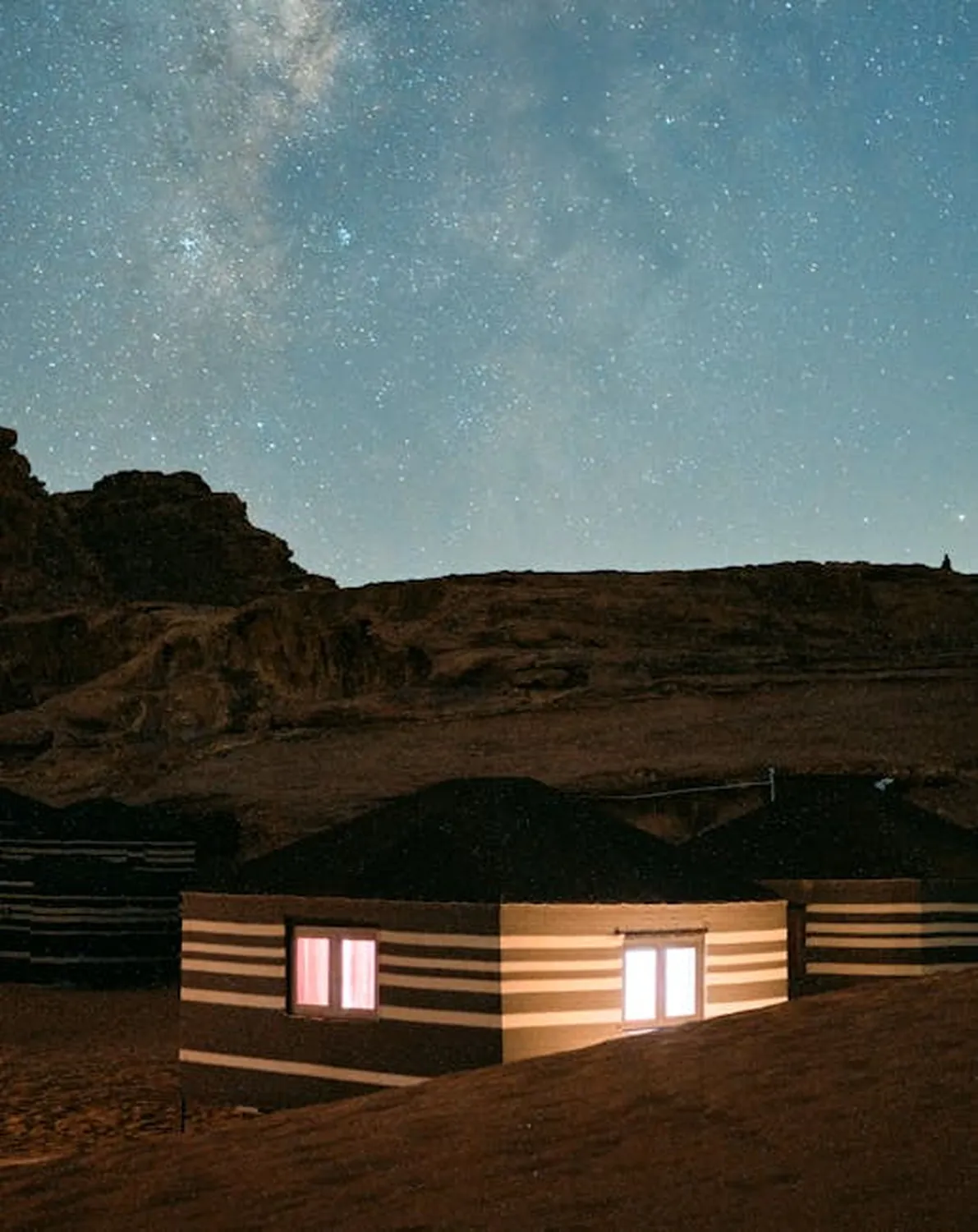
Photo by Plastic Lines on Pexels
High altitude and hyper-arid air give San Pedro de Atacama its famously clean night skies. Alto Atacama Desert Lodge sits near salt flats and volcanic silhouettes that improve seeing.
The lodge runs guided telescope sessions and drives to remote viewing points away from village lights. Guests learn about southern constellations, planets, and occasional meteor activity.
Stays pair comfortable rooms with evening astronomy briefings and photography tips for the Milky Way. Transfers from Calama Airport set arrival expectations for planning.
Download printable itineraries, packing lists, and travel guides with high-resolution maps sent to your email immediately for your next trip.

One printable guide · $19.99 · yours forever
Kulala Lodge near Sossusvlei: star shows
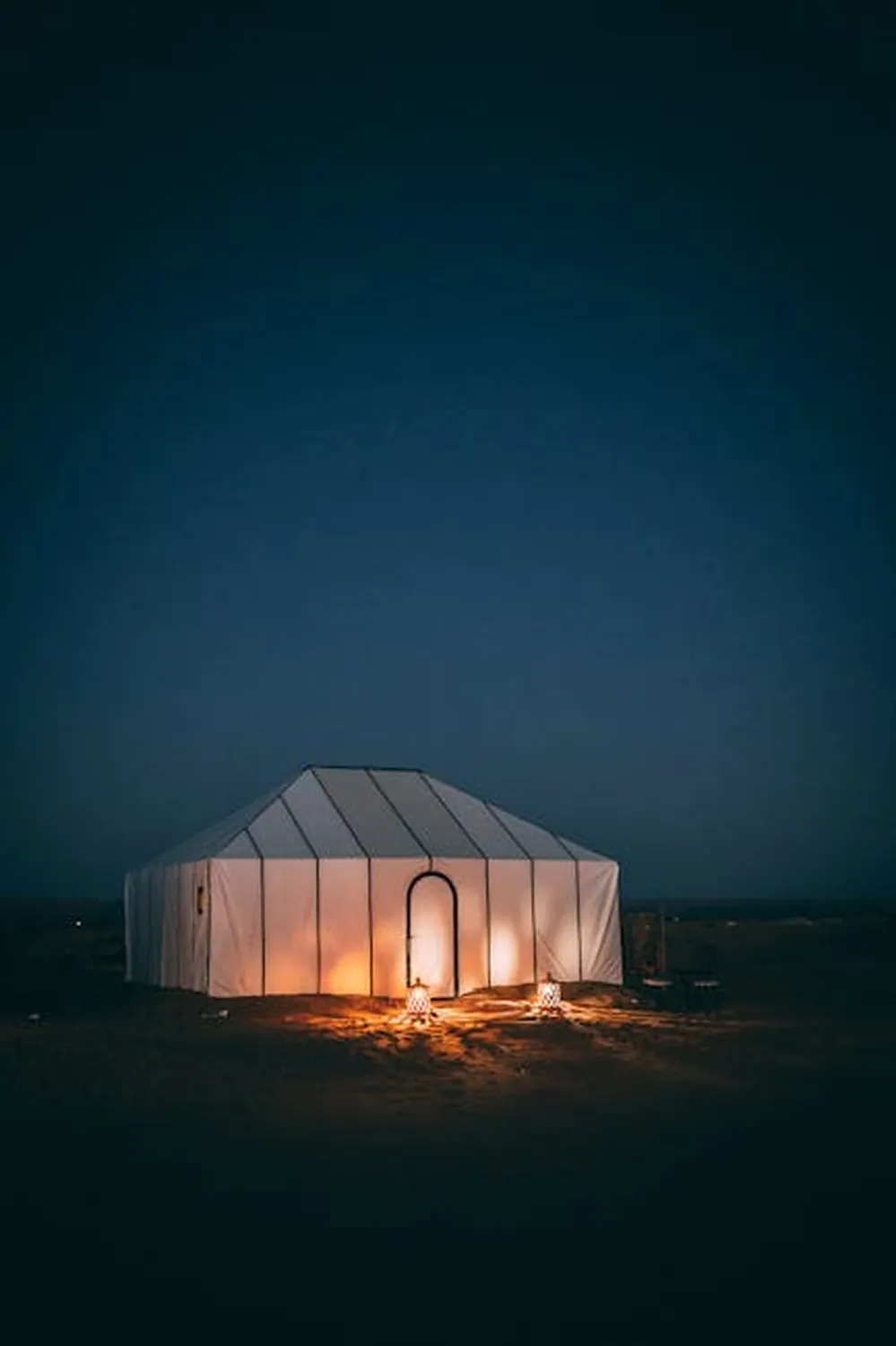
Photo by Taryn Elliott on Pexels
Kulala Desert Lodge overlooks the Sossusvlei dunes so nights offer a horizon-to-horizon starfield. Elevated suites give open terraces for late-night sky watching.
Guides bring compact telescopes and point out southern constellations while the desert cools. Dune hikes at dusk and dawn frame the stargazing experience with copper-colored dunes as foregrounds.
Minimal nearby settlements mean light pollution is extremely low and the Milky Way shows intense detail. Access is by shuttle from Sesriem or small aircraft into nearby airstrips.
Liwa’s Qasr Al Sarab desert camp experience
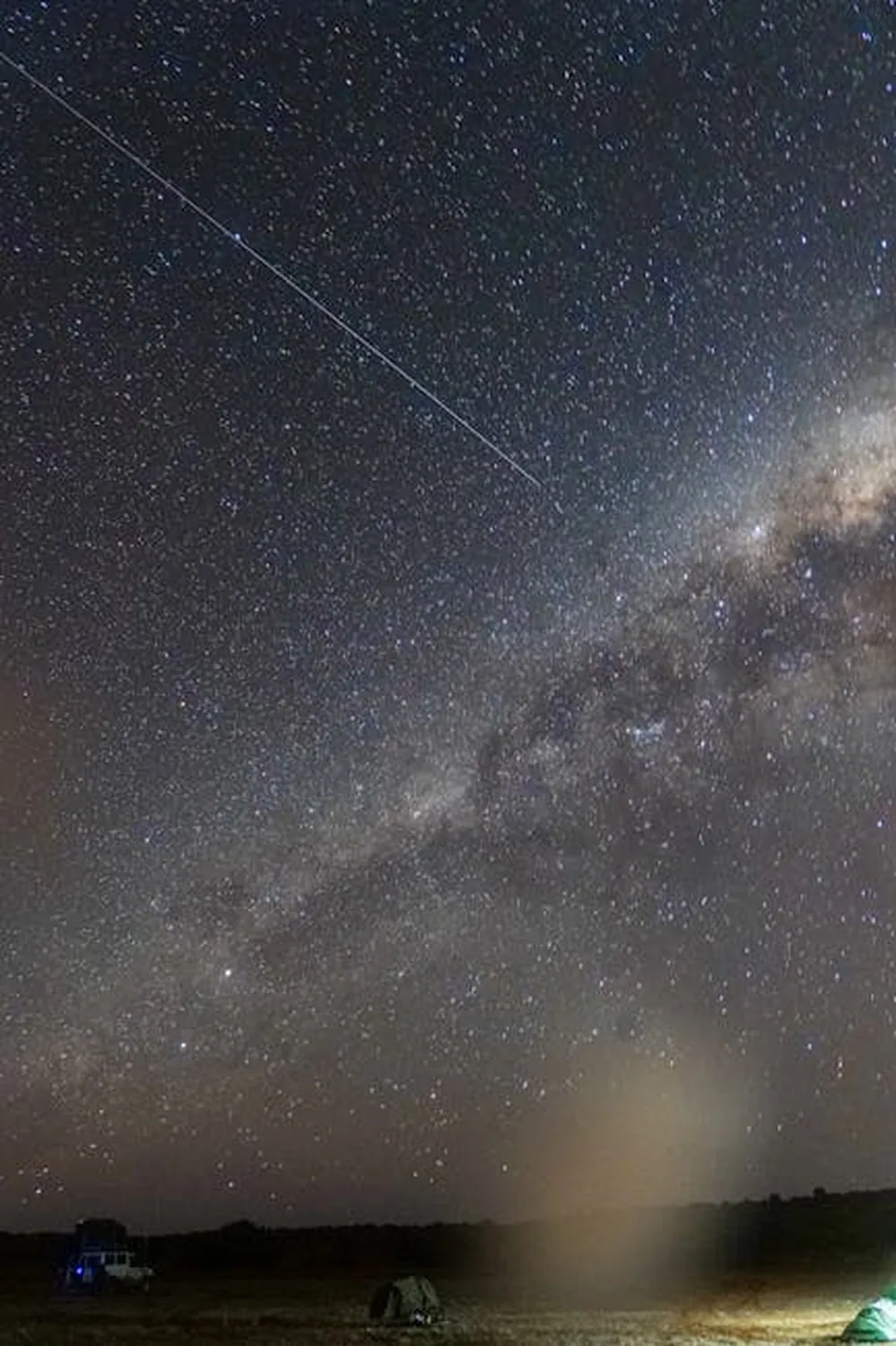
Photo by Mark Direen on Pexels
Qasr Al Sarab sits in the Liwa Oasis at the edge of the Empty Quarter, a vast sea of sand dunes. Nights feel expansive and quiet, with astronomical clarity after dark.
The resort organizes desert drives, camel treks and nighttime telescope sessions for guests interested in celestial observation. Palm-dotted oases and the dune horizon create a cinematic foreground to the sky.
Luxury villas provide shaded terraces where constellations rise over the Rub’ al Khali. Road access from Abu Dhabi or Al Ain frames this as a remote Arabian desert experience.
Stargaze at Joshua Tree’s Hidden Valley
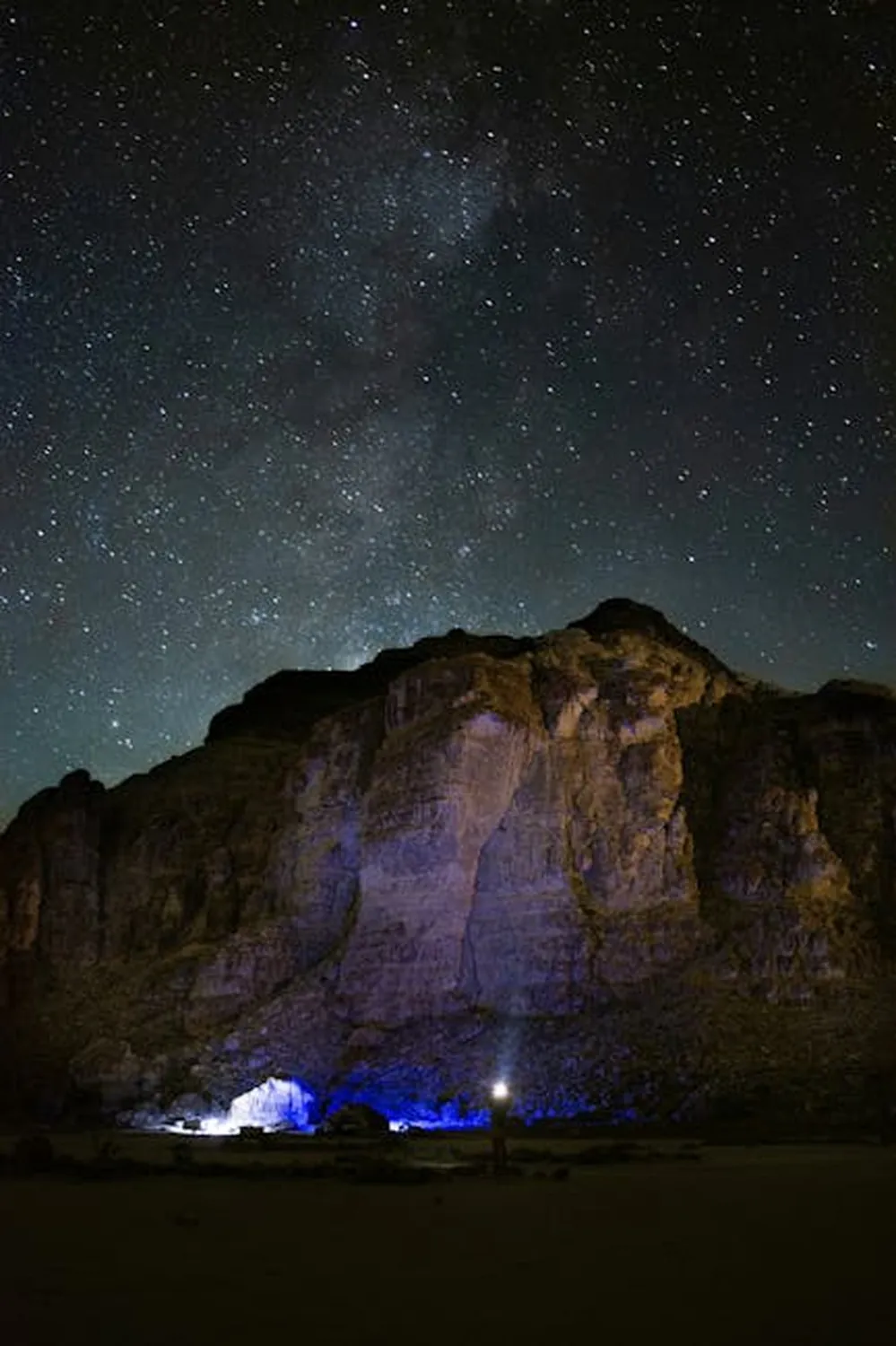
Photo by Alex Moliski on Pexels
Hidden Valley within Joshua Tree National Park is ringed by massive boulders and offers dark-sky conditions close to town. Granite silhouettes and open desert plains make for dramatic night photos.
Campfires and ranger-led evening programs introduce constellation spotting and night-sky narratives tied to local ecology. The park’s protected status reduces nearby lighting for crisp star views.
Primitive campsites keep the night atmosphere intimate while road access from Twentynine Palms is straightforward. Seasonal temperature swings mean warm layers are common for overnight stargazing.
Big Bend nights at Chisos Basin camp
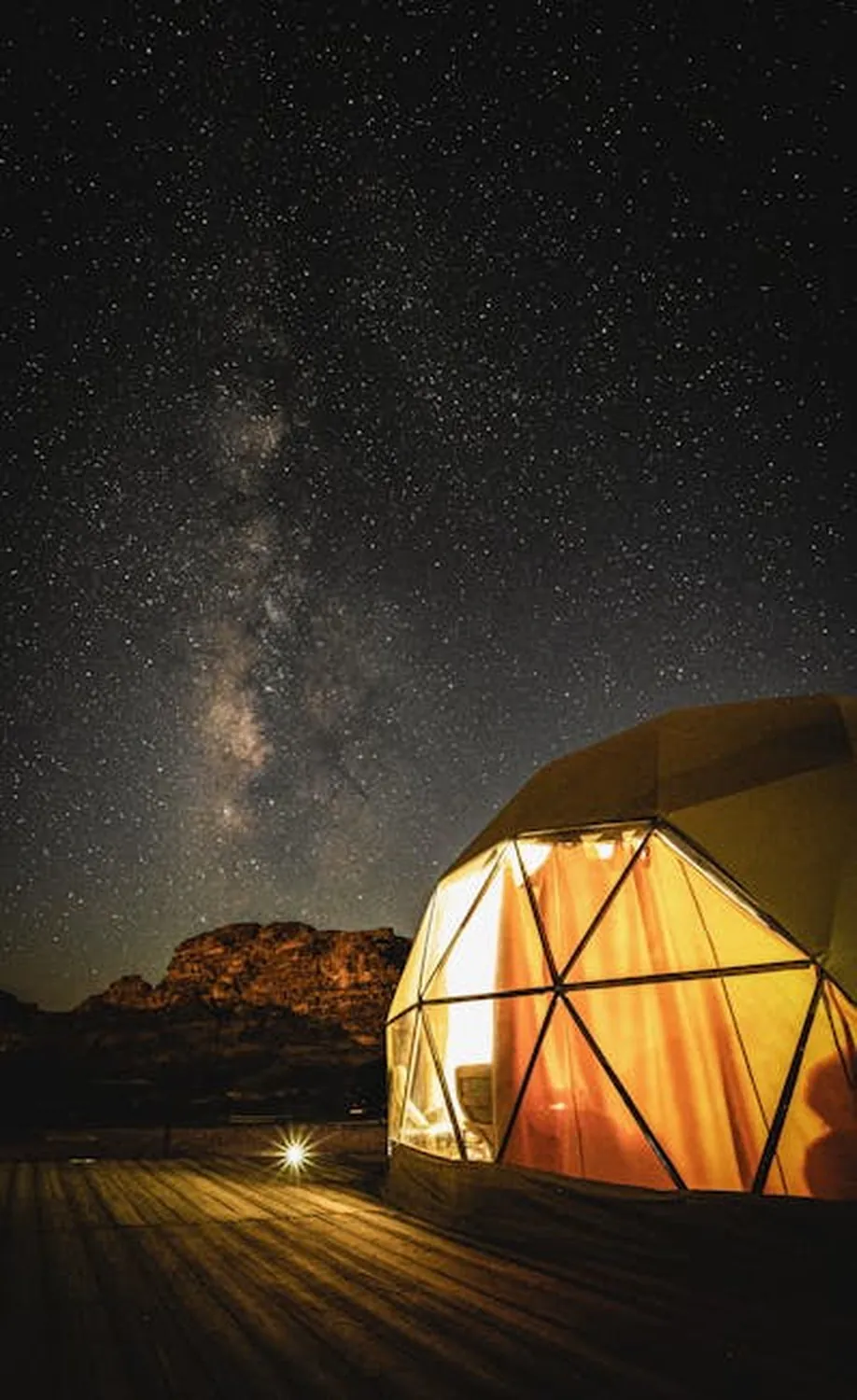
Photo by Emran Omar on Pexels
Chisos Basin in Big Bend National Park sits at high elevation with some of the darkest skies in the continental US. The park is an International Dark Sky Park known for clear Milky Way views.
Campgrounds near the Basin place observers under a vault of stars with the silhouette of the Chisos Range as foreground. Nighttime ranger talks and occasional astronomy events enrich campground evenings.
Camping options vary from backcountry sites to established loops offering different vantage points and sky angles. Road travel from Study Butte sets realistic arrival plans for multi-night stays.
Longitude 131: Uluru under brilliant skies
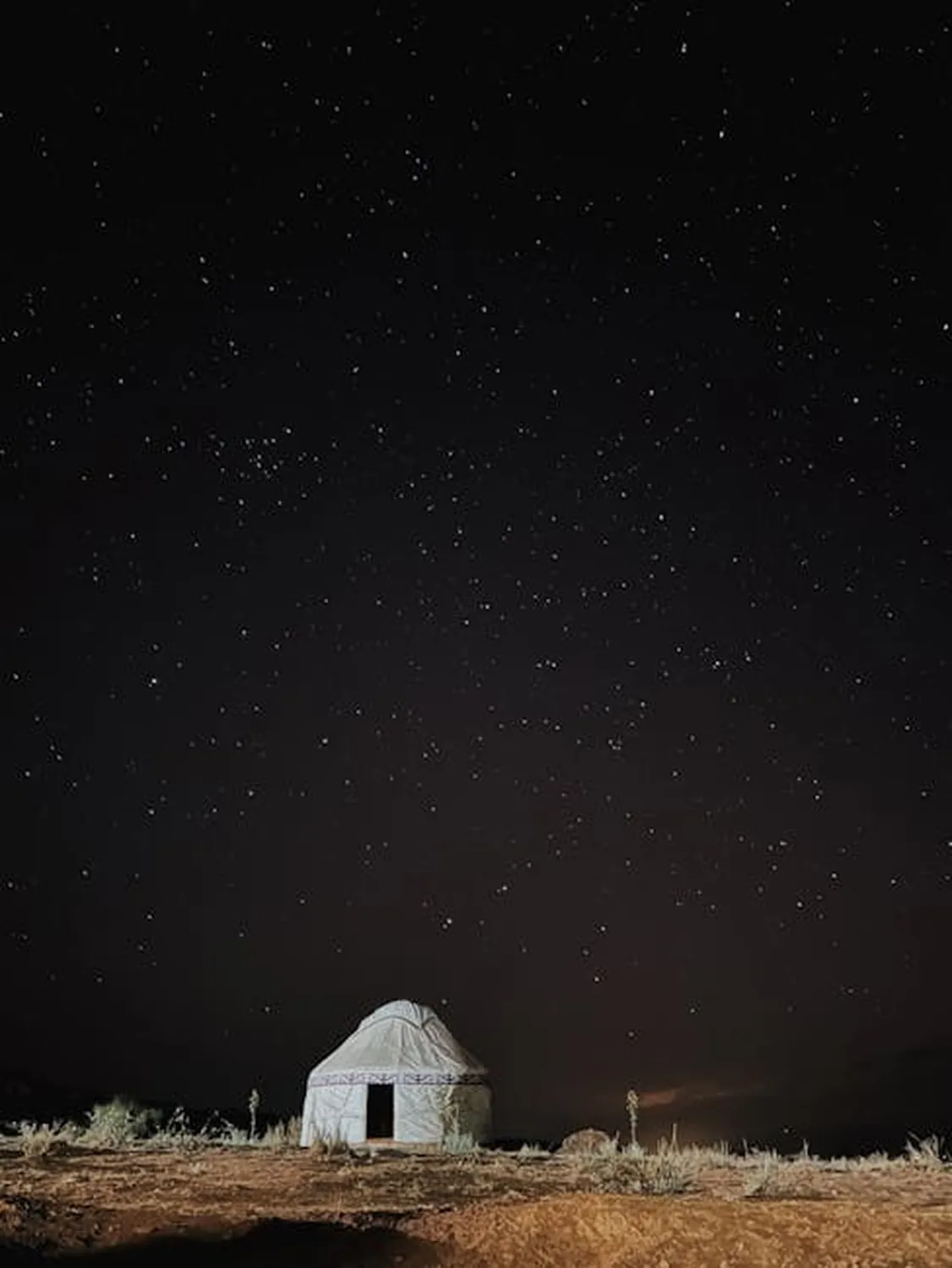
Photo by Никита Шелайкин on Pexels
Longitude 131° perches within sight of Uluru so guests fall asleep to the silhouette of the rock and wake under an intense southern sky. The remote location delivers low light and wide-open celestial panoramas.
Luxury tented pavilions include guided nocturnal walks and traditional Anangu star stories that link cultural knowledge to constellations. Plate glass dining and evening tea make for relaxed sky viewing from private decks.
Sunrise and sunset photos of Uluru segue into night-sky sessions aimed at astrophotography enthusiasts and casual viewers alike. Transfers from Ayers Rock Airport streamline arrival logistics for the lodge.
Dead Horse Point: canyon rim stargazing
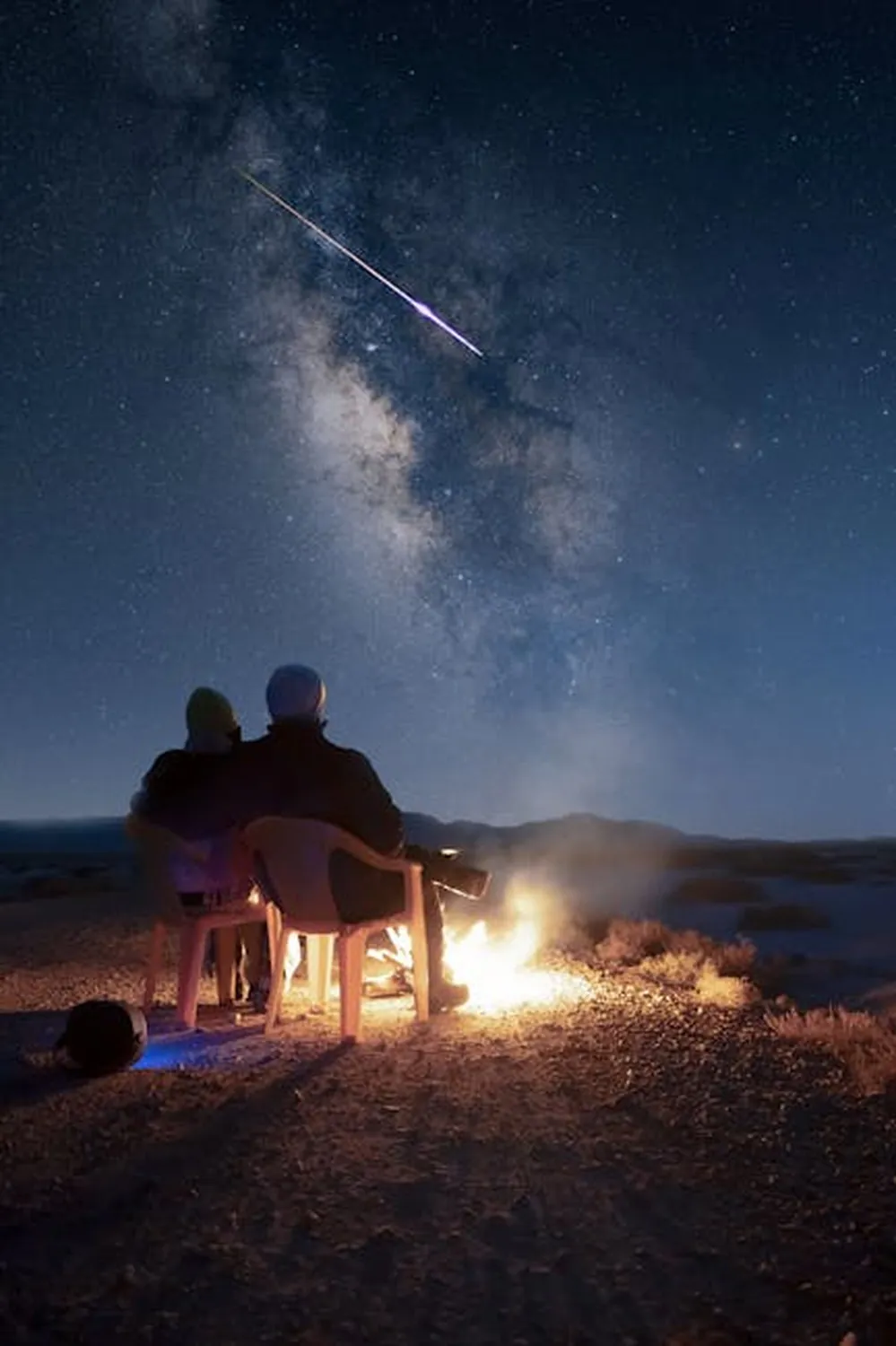
Photo by ali atyabi on Pexels
Dead Horse Point State Park offers a dramatic canyon rim that frames the Milky Way over the Colorado River corridor. Elevation and open vistas yield long sightlines across the desert night.
Nighttime programs and viewpoint pullouts create memorable stargazing spots, with canyon silhouettes adding scale to the sky. The park’s proximity to Moab means stargazing can pair with daytime red-rock hikes.
Campgrounds sit near the rim for immediate access to stellar panoramas after sunset. Temperatures drop quickly after dark, so planning warm layers helps extend observing sessions.
White Sands: gypsum dunes and night sky
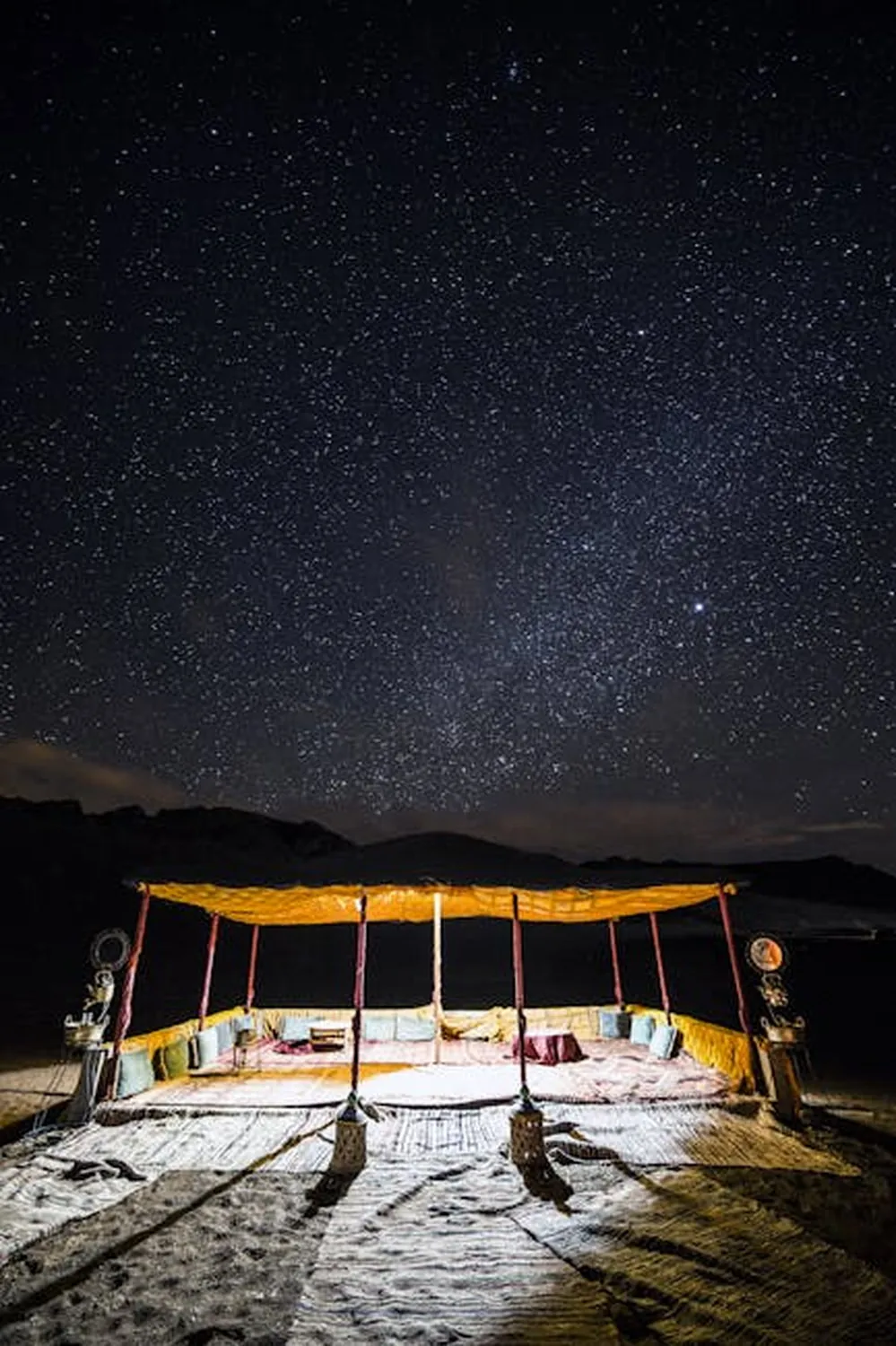
Photo by Tomas Anunziata on Pexels
White Sands National Park’s rippled gypsum dunes reflect moonlight and create an otherworldly foreground for the Milky Way. The flat, pale surface amplifies star reflections and a quiet night soundscape.
Ranger-led night sky programs and seasonal full-moon walks focus on astronomy and desert ecology under broad skies. Photography workshops often use the stark white dunes to silhouette constellations.
Camping in the park gives immediate access to long, unlit horizons ideal for long-exposure night work. Nearby Alamogordo provides services while the park preserves a remote feel after dark.
Agafay Desert glamping near Marrakech nights
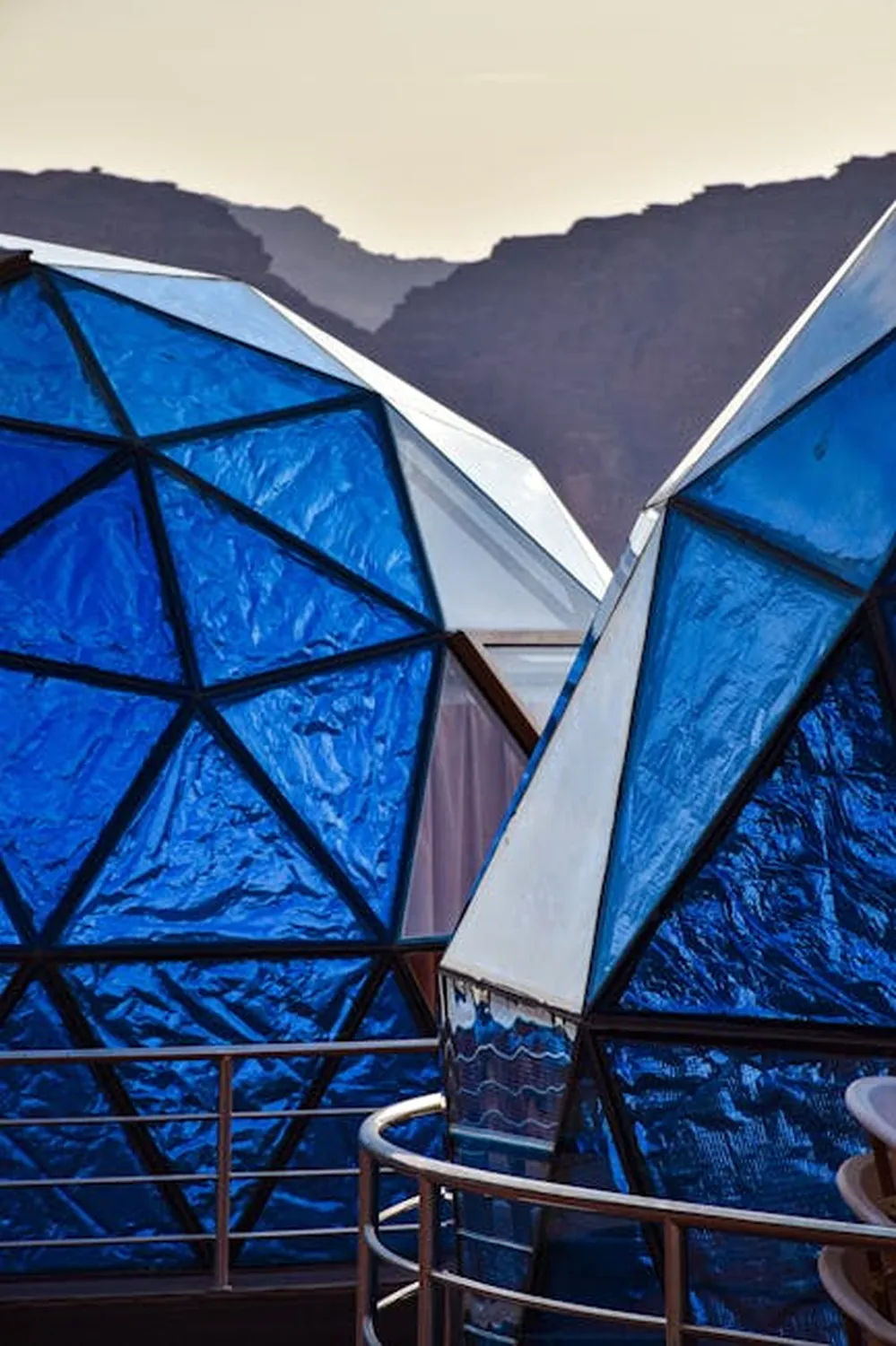
Photo by AXP Photography on Pexels
The stony plains of Agafay lie just outside Marrakech and offer quick escapes for moonlit desert nights. Tented camps and marble courtyards provide compact, comfortable bases for evening sky watching.
Many glamping setups include local musicians, rooftop terraces, and guided telescope sessions that take advantage of minimal village lighting. The Atlas Mountains silhouette adds a distant ridge to the southern horizon.
Short transfer times from Marrakech make Agafay a frequent overnight option for travelers seeking desert stars without long drives. Hosts often pair kasbah-style dinners with relaxed stargazing hours.
Douz Sahara camp: Tunisian starry nights
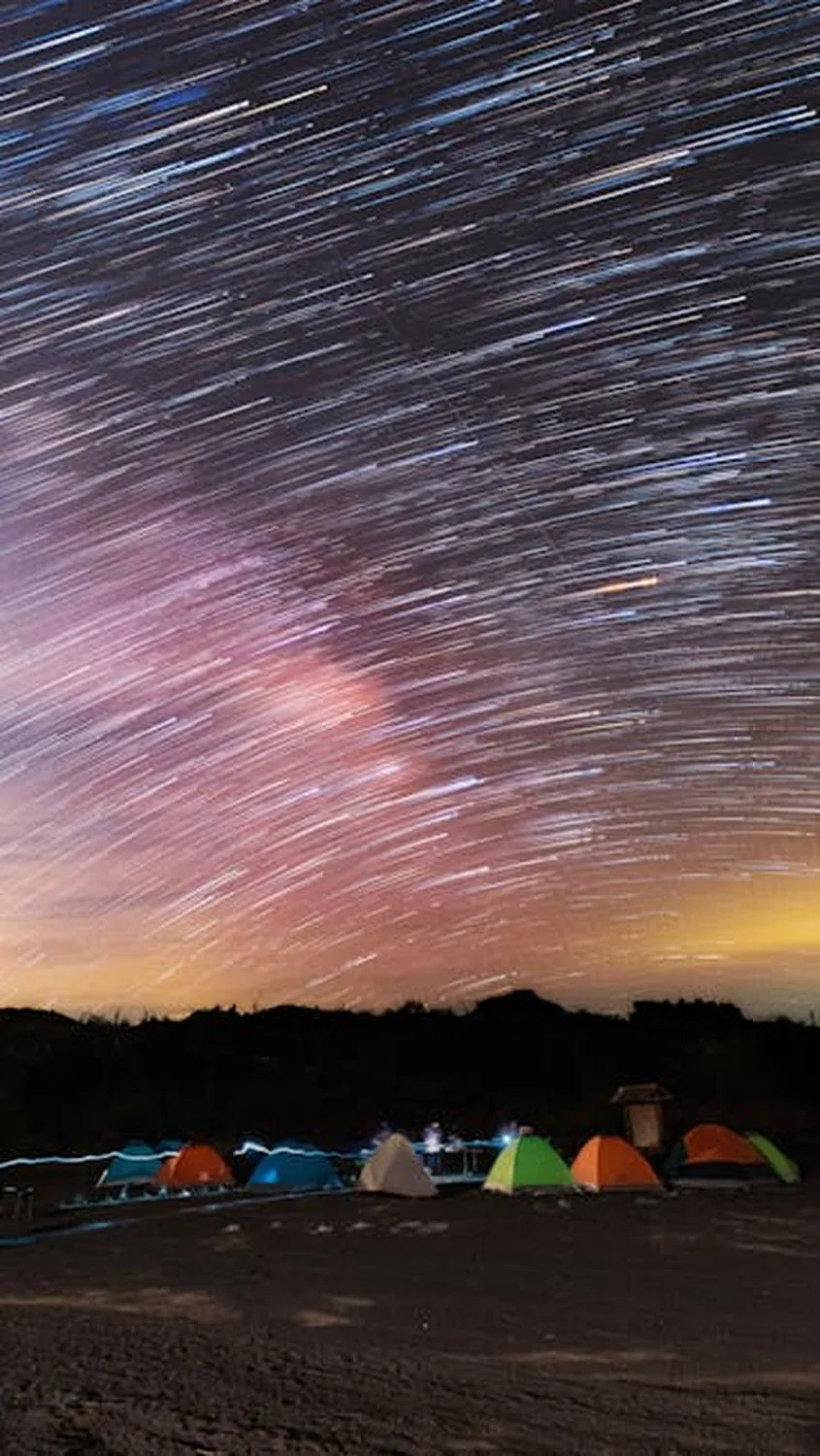
Photo by Juan Cipriano Esquer on Pexels
Douz is often called the gateway to the Sahara and hosts classic tented camps beneath sweeping starfields. Camel caravans and sand tracks outline the route to vast, unlit horizons.
Local camps feature Berber hospitality, evening drums, and compact telescope setups for constellation viewing. Desert winds and open sand create a spacious stage for bright planetary alignments.
Most camps are accessible by road from Tozeur or Matmata, making Douz a logistical hub for multi-night desert itineraries. Prioritizing overnight stays reveals both silent nights and early-morning light on the dunes.
Kgalagadi Nossob camp under Kalahari skies
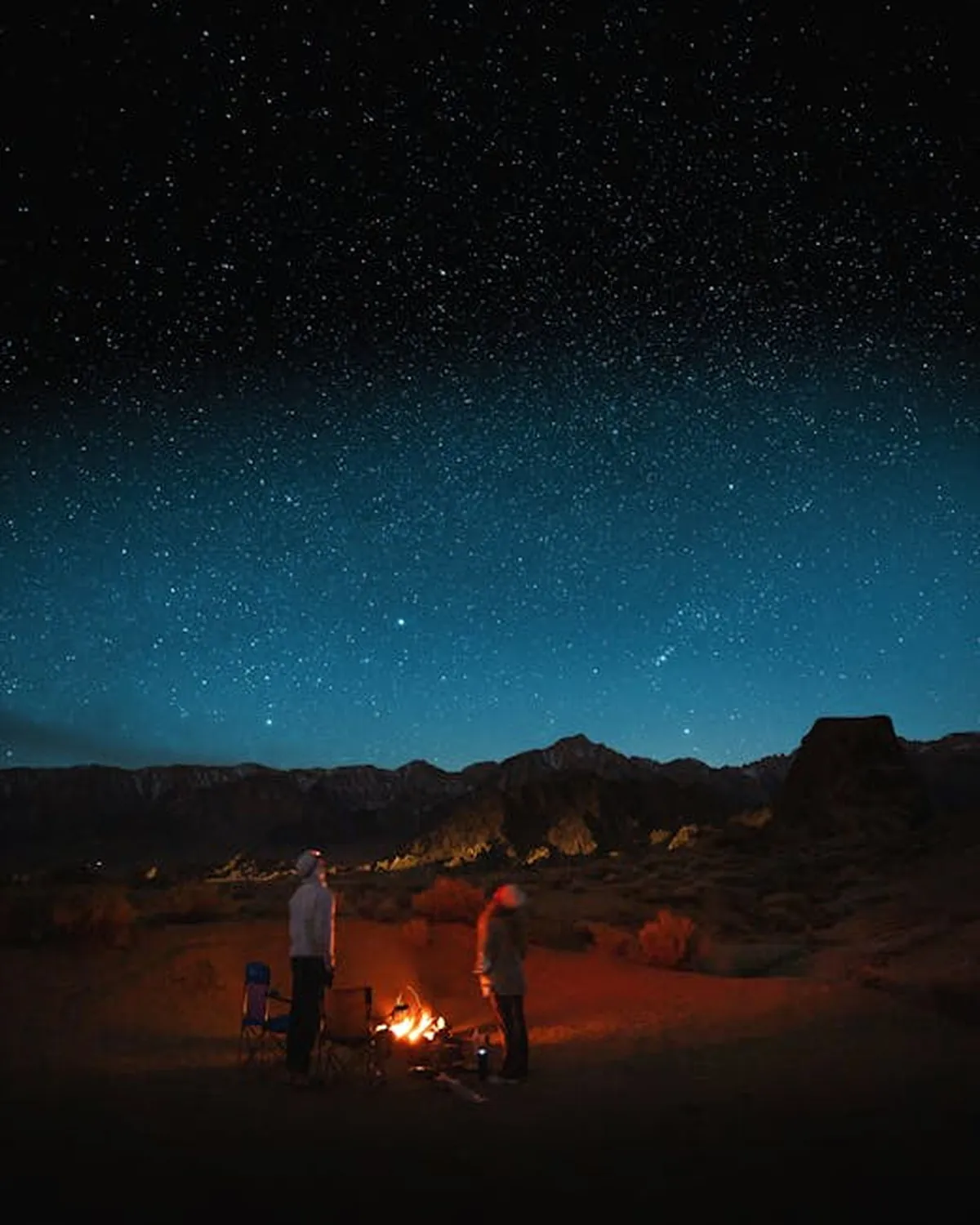
Photo by Kirk Thornton on Pexels
Nossob camp rests within the Kgalagadi Transfrontier Park where deep red Kalahari sands meet vast, unpolluted skies. Predator calls at night provide an evocative soundtrack while stars wheel overhead.
Raised platforms and clearing around camps let visitors set up small telescopes and watch satellite trails cut across the Milky Way. Park rangers lead nocturnal walks that balance wildlife safety with sky observation.
Road access is lengthy, so multi-day itineraries that include daytime game drives and night-sky sessions are common. The Kalahari’s remoteness creates especially dark conditions for observing faint celestial objects.
Furnace Creek nights in Death Valley
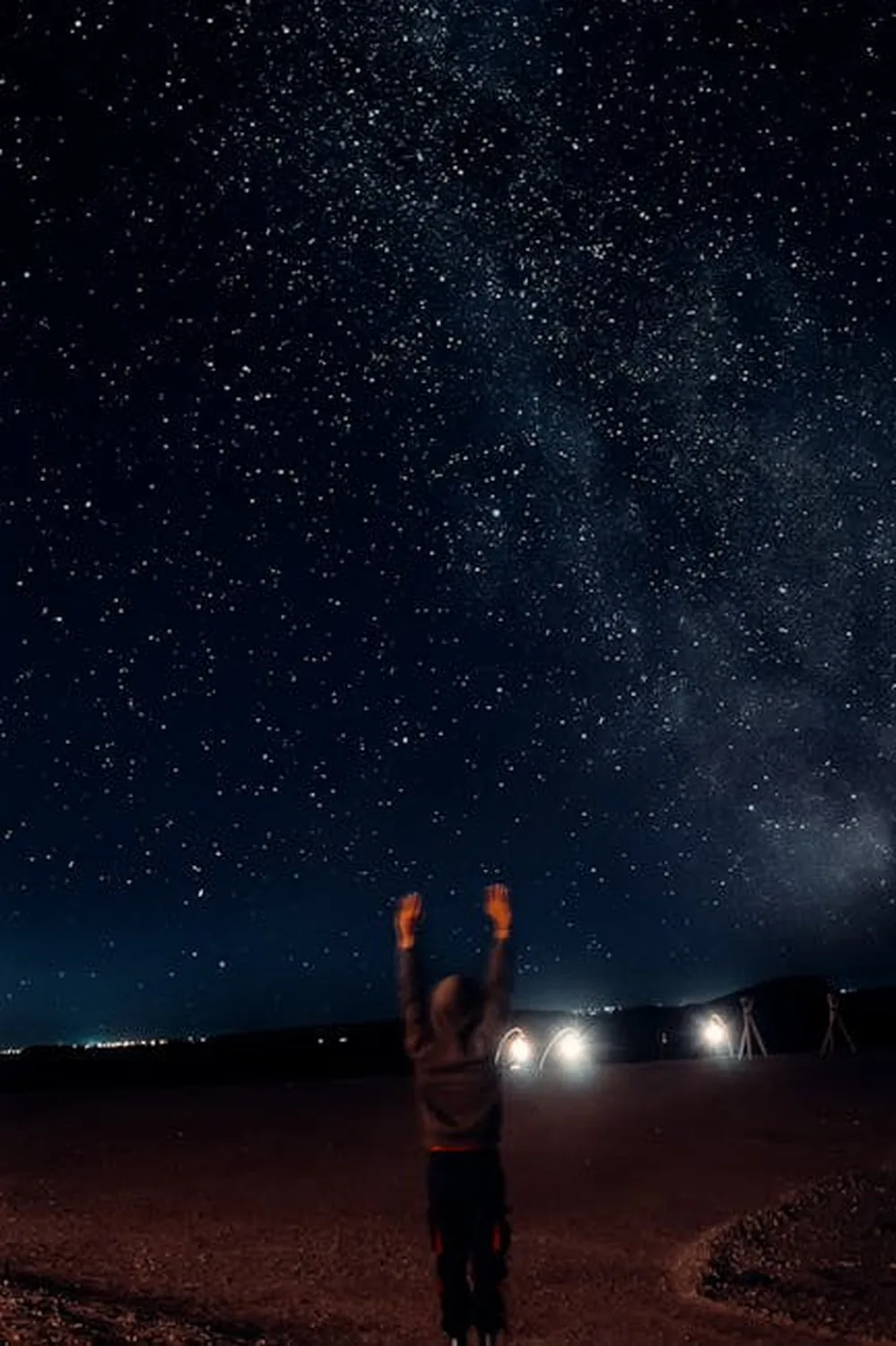
Furnace Creek sits in Death Valley National Park, a landscape of basin floors and towering peaks that reveal clear stars after sundown. Low humidity and sparse lighting combine to produce long-range night visibility.
Stargazing spots near Furnace Creek showcase constellation arcs above salt flats and mountain silhouettes. Evening ranger talks and seasonal astronomy events add context to the skies.
Accommodations range from campground loops to the historic Furnace Creek Inn with close access to viewing points. Timing visits outside heat peaks brings cooler nights ideal for extended observation.
Tabernas Desert stargazing near Almería, Spain
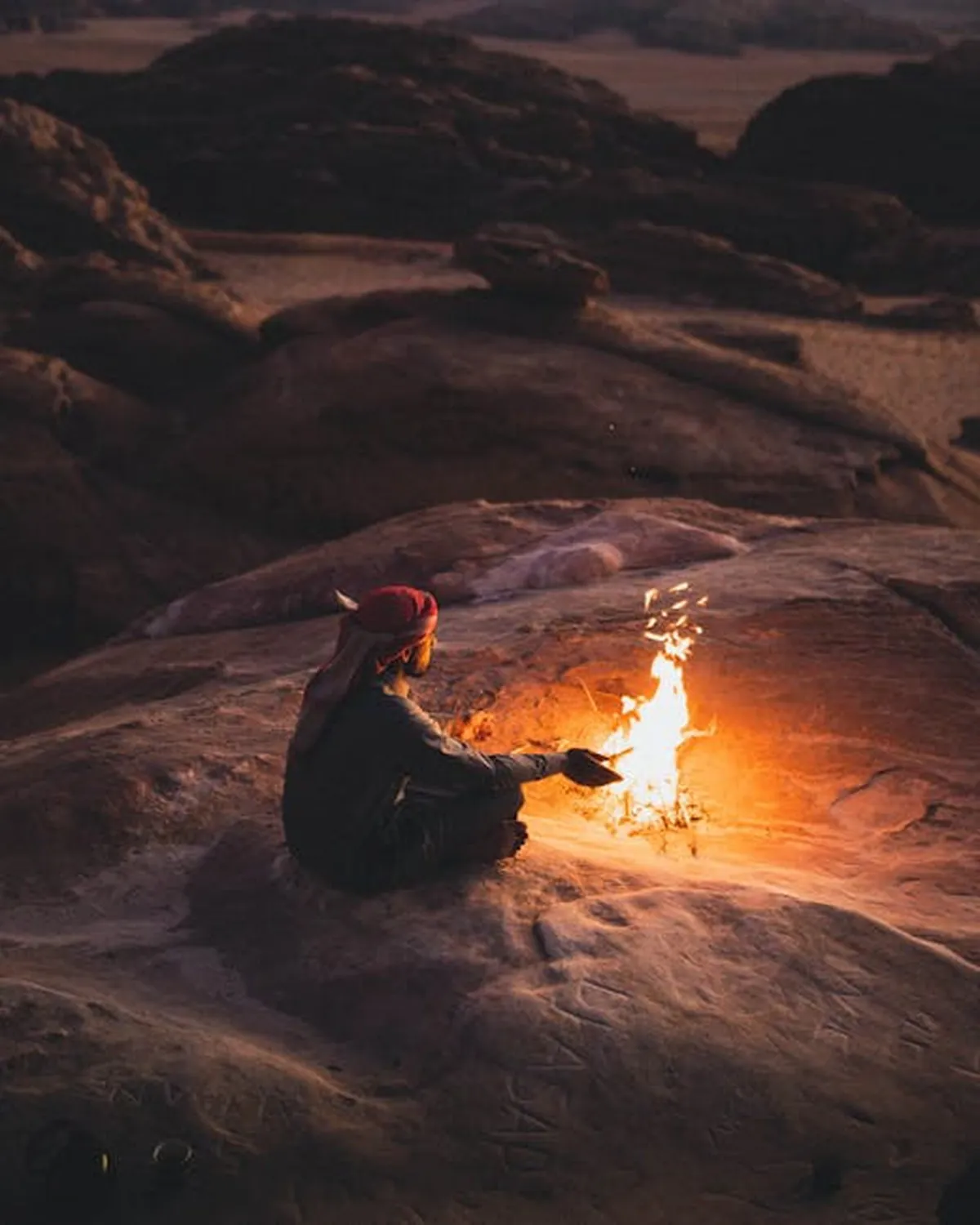
Photo by Dajana Reçi on Pexels
Tabernas Desert in Almería is Europe’s only true semi-arid desert and hosts small camps tucked among film-era backdrops. Old Western sets and arid plains provide a dramatic foreground for night-sky photography.
Local operators offer overnight tent stays, astronomical guided sessions, and storytelling about the region’s cinematic history. The low coastal light pollution on clear nights lets the Milky Way stand out over the plains.
Access by car from Almería city keeps the area reachable for multi-night desert stays that mix stargazing with daytime location tours. Evening temperatures can drop sharply, so layered clothing extends outdoor hours.