The best statement chandelier for entryways
Gold Crystal Chandelier 48" Modern Luxury
Modern luxury design with crystal accents. Easy to install and highly rated for quality and style.
Shop on Amazon →As an Amazon Associate, we earn from qualifying purchases.
I love low-cost projects that add personality without clearing out the closet — these Budget Friendly DIY Home Decor Projects are the kind I keep coming back to. They make living rooms, entryways, kitchens, and small bedrooms feel lived-in and layered, using everyday materials and a little patience.
Most ideas here work in small spaces and larger homes alike; I’ve mixed quick weekend crafts with projects that take a couple of evenings.
Expect warm woods, soft textiles, painted accents, and playful textures that bring a handmade touch to every corner.
Upcycled frame gallery wall for any room
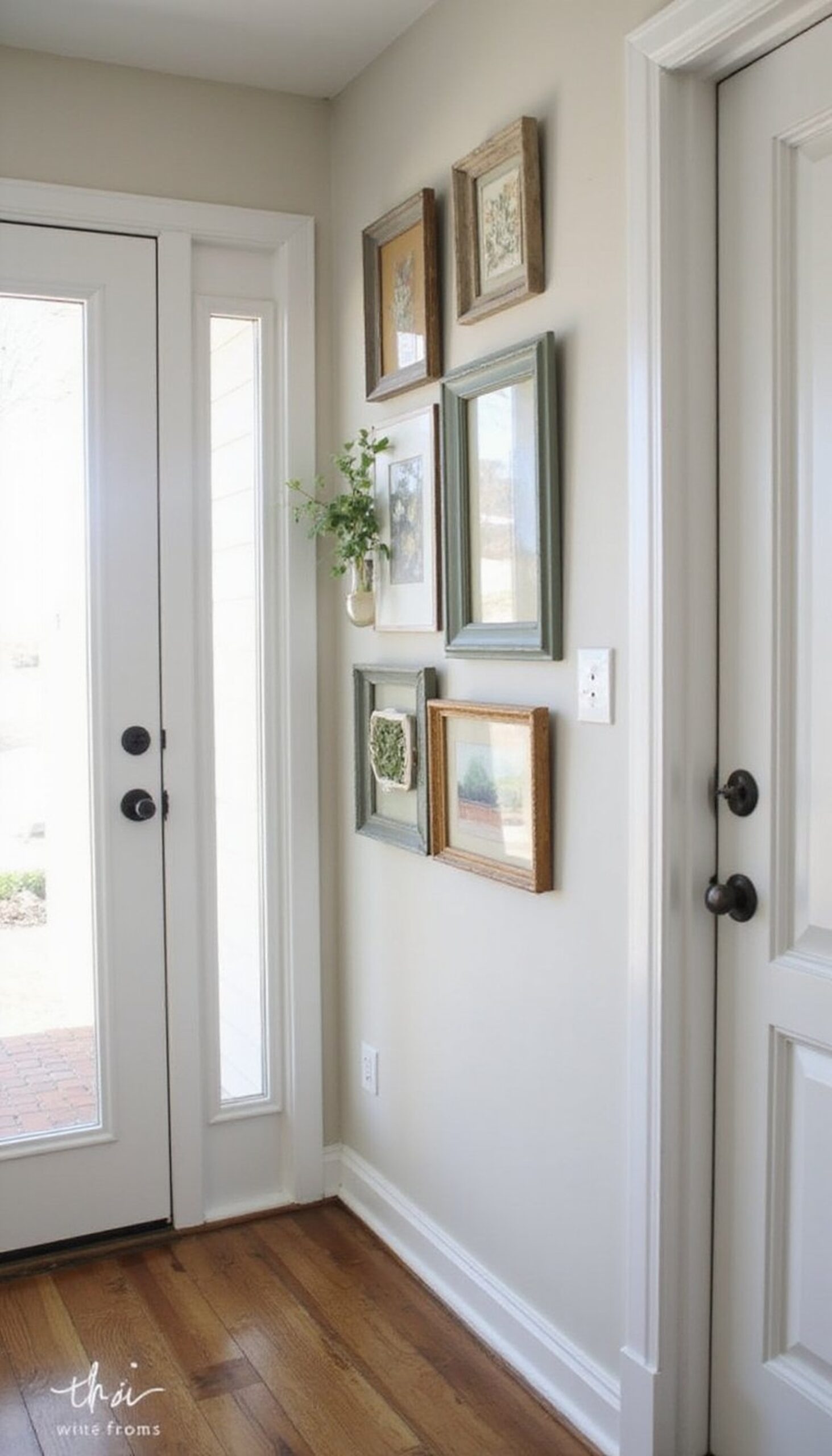
Take mismatched frames, a few thrifted prints, and paint them in a cohesive palette to build a charming gallery wall. Start with wooden and metal frames, sand lightly, and pick two paint colors and a wash to tie them together. Use textured prints, botanical sketches, and family photos printed on matte paper to add contrast. The overall palette can be muted greens, warm ochres, and soft grays so it blends with most sofas and bedside walls. This project brightens hallways and above-sofa spaces without heavy expense.
Styling Tips
- Lay frames on the floor first to test the layout before hanging.
- Mix vertical and horizontal pieces to keep the eye moving.
- Add a small shelf beneath the gallery for a plant or candle.
Painted ombre dresser — subtle color shift
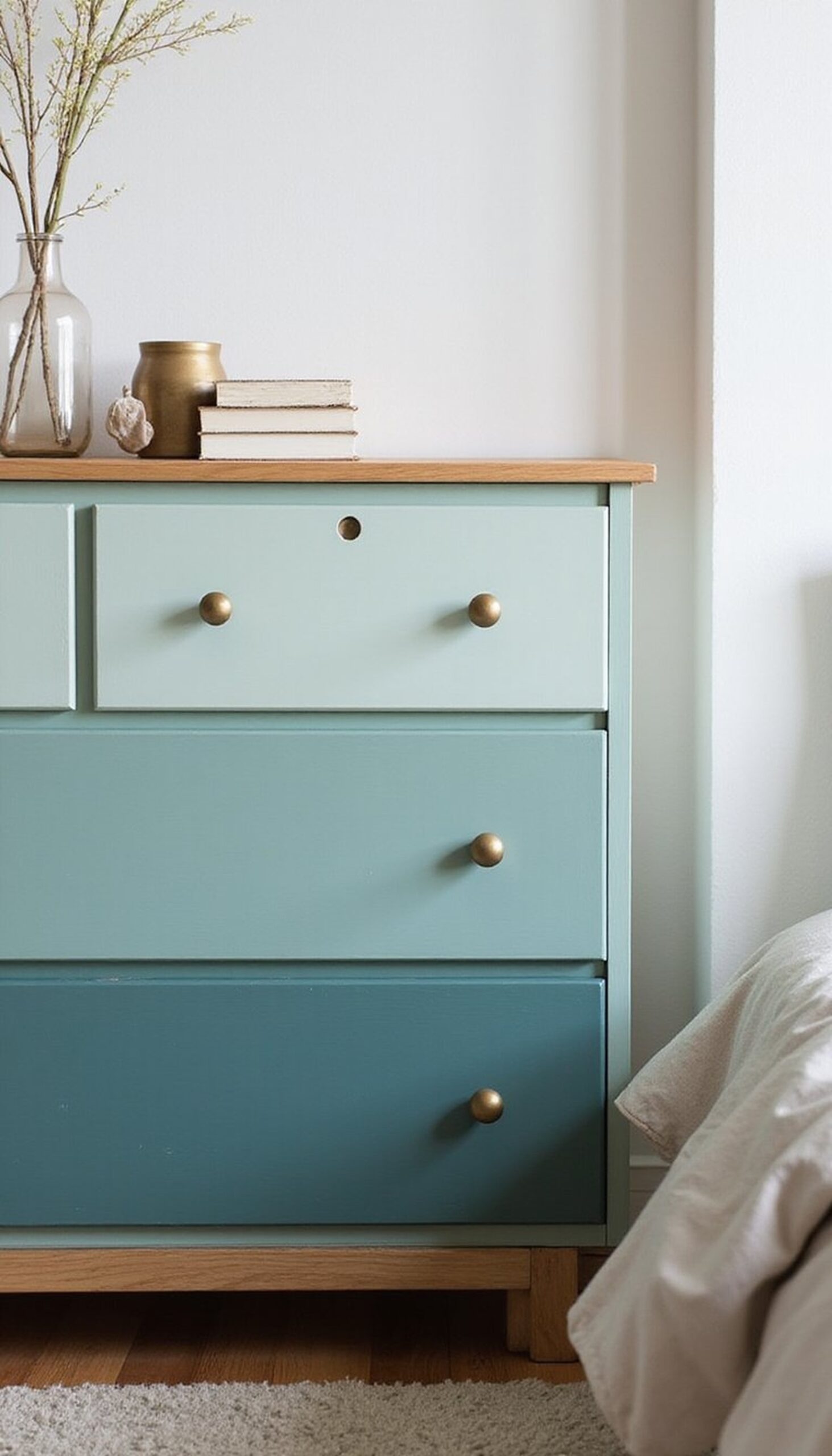
Transform a tired dresser with a smooth ombre paint finish that fades from deep tone at the bottom to a lighter hue at the top. Use chalk or furniture paint, sand between coats for a soft gradient, and finish with a matte wax to protect the surface. Keep hardware simple — matte black or brushed brass — so the color remains the focus. An ombre dresser works beautifully in bedrooms or bathrooms, creating an eye-catching focal point without adding clutter. I love how a worn piece gains new life this way.
Styling Tips
- Test the gradient on cardboard before painting the furniture.
- Anchor the dresser with a textured runner and a small lamp.
- Pair with linen bedding or towels in complementary neutrals.
How to make macramé plant hangers?
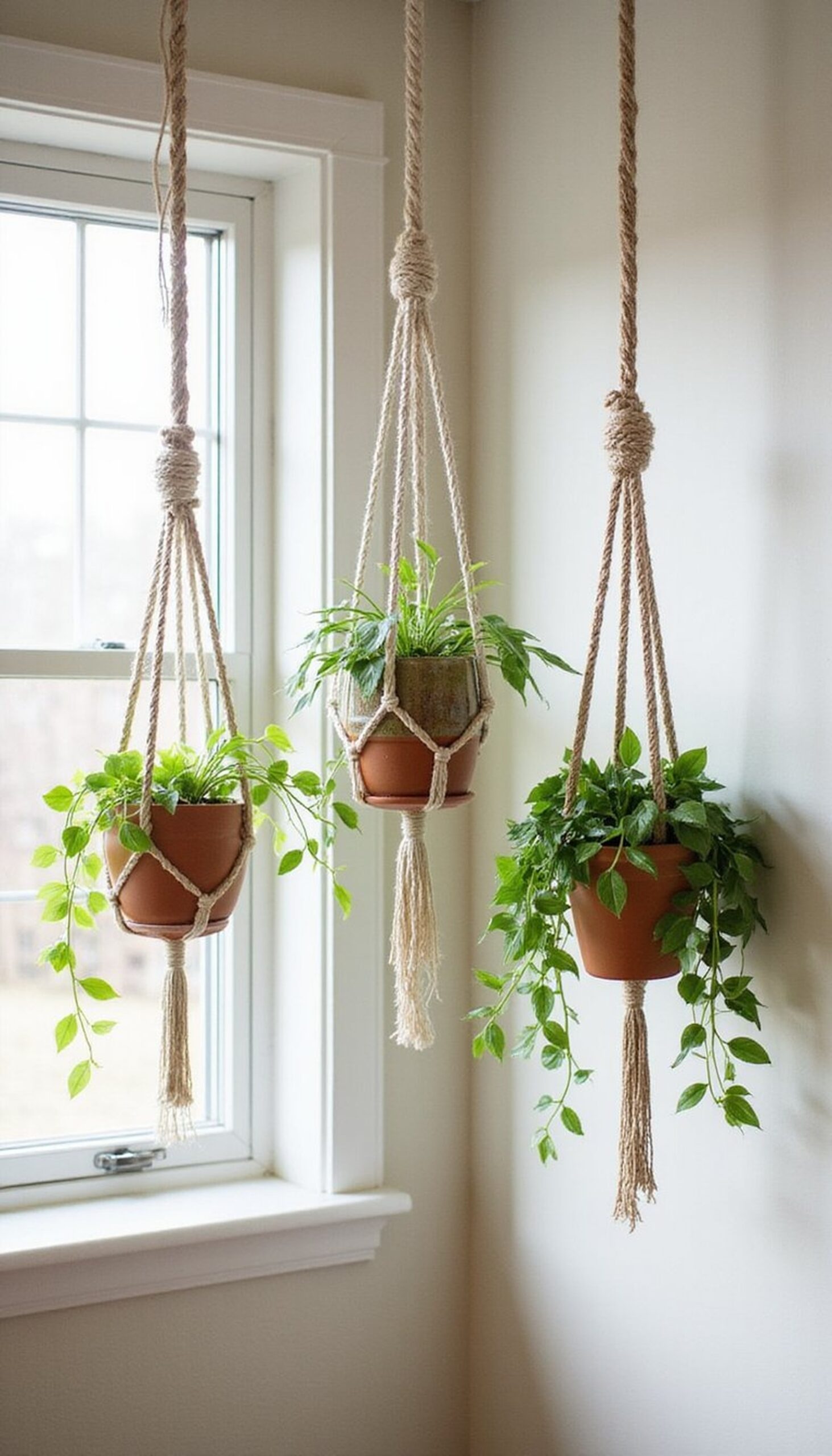
Macramé hangers bring a boho, tactile layer to windows and corners. Use cotton cord in natural cream or a dyed color, and pick a simple knot pattern for a first project. Pair with glazed ceramic or terracotta pots and trailing plants like pothos or string of hearts. The texture of the knots contrasts nicely with smooth leaves and brings warmth to minimalist rooms. I like to hang them at different heights near a sunny window to create a relaxed, layered look that fills vertical space in small apartments.
Styling Tips
- Vary hanger lengths for visual interest and to catch light differently.
- Use a wooden branch or brass hook for a natural hanging rod.
- Match pot color to other accents for cohesion.
Get instant access to 50+ high-resolution decor guides and printable layout planners for every room.
Pallet coffee table with leather straps
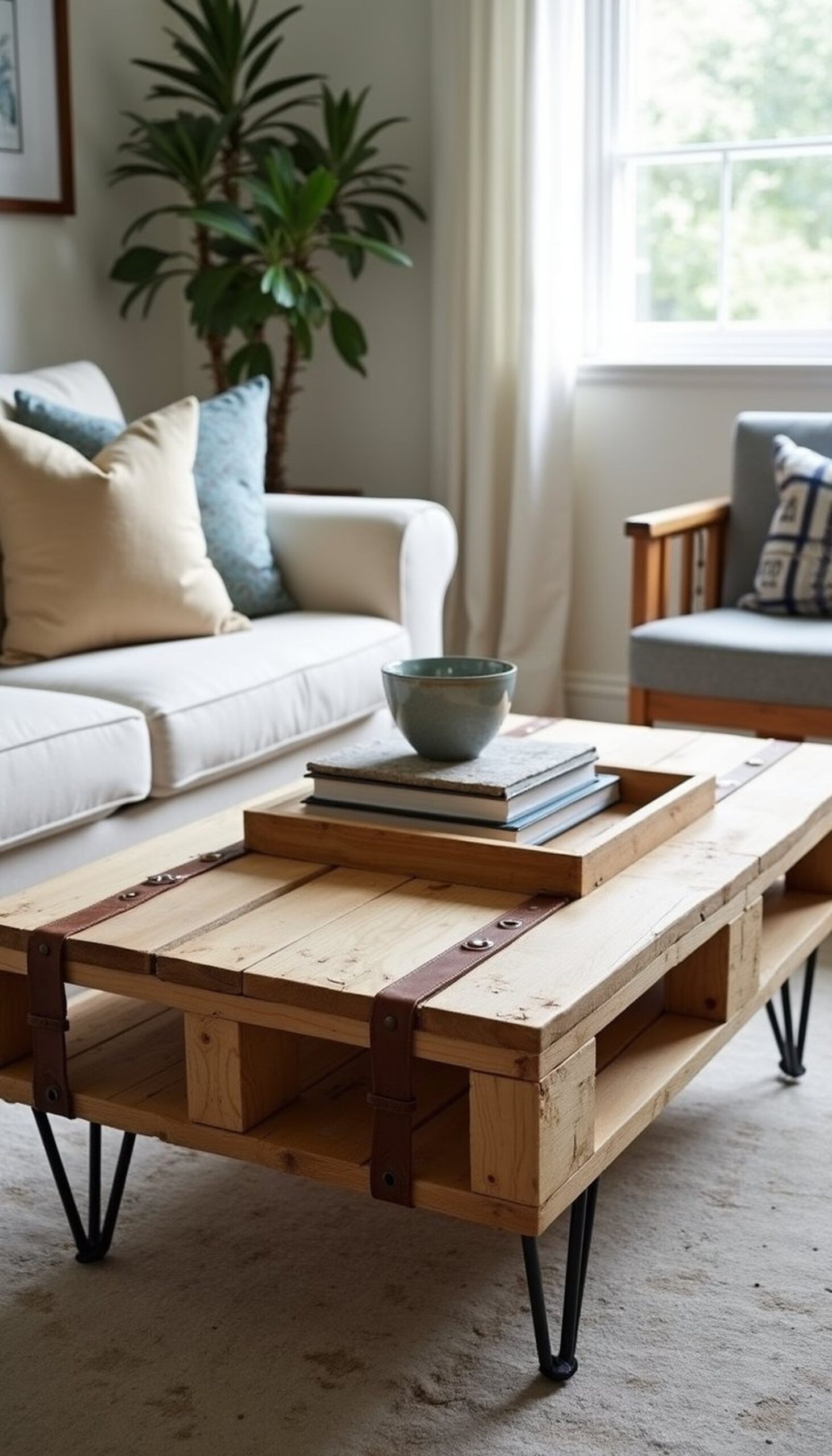
Turn a salvaged pallet into a low coffee table using sanded planks, hairpin legs, and leather straps to hold a glass top in place. Stain the wood in a warm walnut or keep it raw for a rustic look, and add brass screws that catch the light. The leather straps add texture and an elevated touch while keeping the build simple. This kind of coffee table suits casual living rooms and covered porches, pairing well with woven rugs and linen upholstery for a relaxed, layered effect.
Styling Tips
- Seal the wood with a clear matte varnish to protect against spills.
- Stack a couple of design books and a ceramic tray on the table.
- Place on a textured jute or wool rug for contrast.
Floating shelves from reclaimed wood
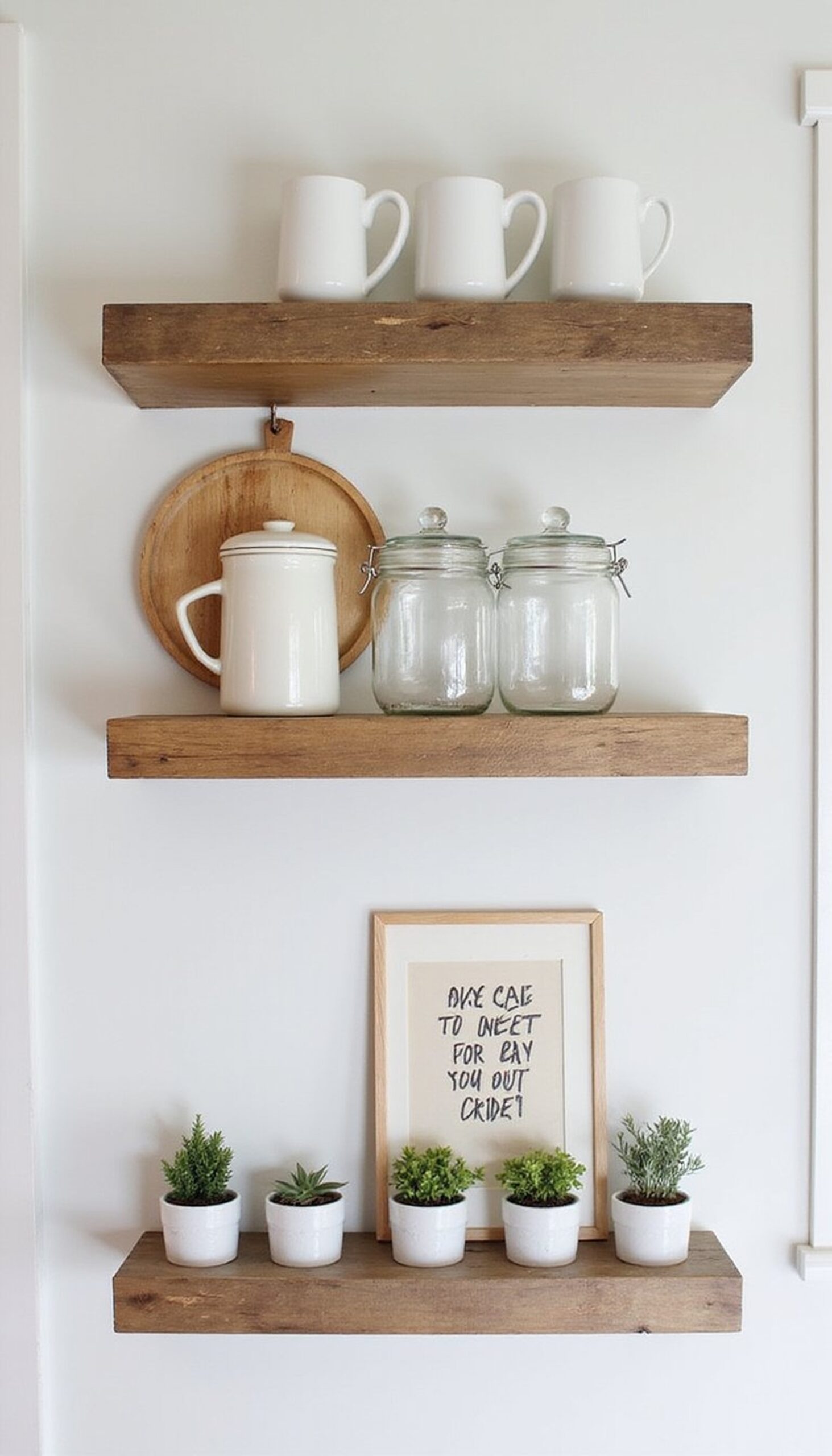
Simple floating shelves made from reclaimed wood add warmth and display space in kitchens, bathrooms, or above desks. Choose wide planks, sand edges slightly, and finish with oil or wax to keep the grain visible. Hidden metal brackets create a clean, floating look; arrange ceramics, small plants, and a couple of framed prints for personality. In kitchens, use them for glassware and herb jars; in bathrooms, stack rolled towels and amber bottles. I always find reclaimed wood gives a lived-in feeling that new shelves don’t quite capture.
Styling Tips
- Balance heavy objects with lighter items to avoid sagging.
- Stagger shelves instead of lining them up for a casual look.
- Mix ceramics with greenery to keep the display fresh.
Stenciled accent wall — geometric drama
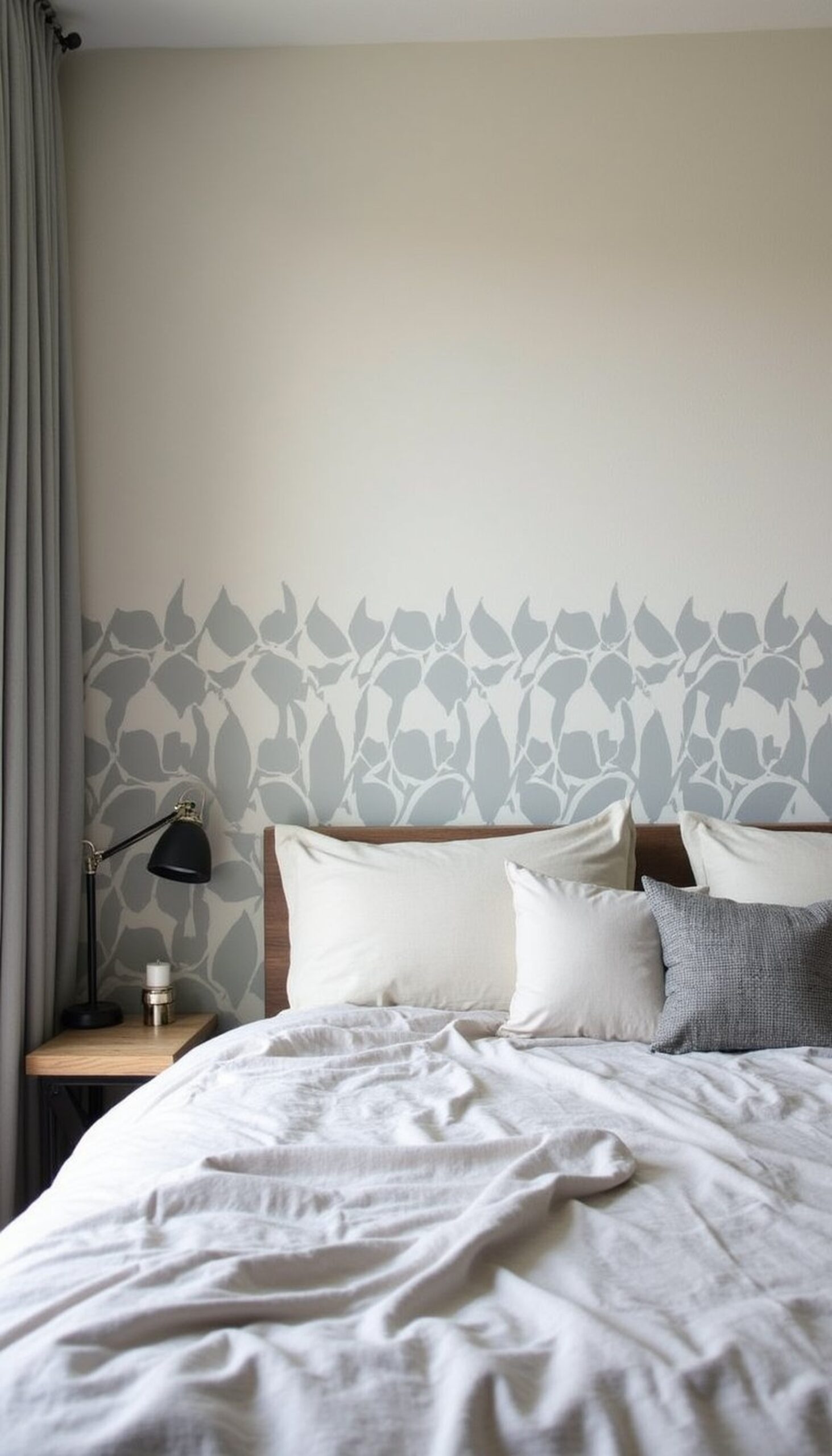
Create a bold focal wall with a reusable stencil and two contrasting paint tones. Pick a geometric or floral stencil pattern and use a foam roller for even coverage. Matte paint helps hide imperfections while a glossier tone can add subtle sheen. This works well behind a bed or in a dining nook; it’s an affordable way to introduce pattern without covering every wall. I like starting with a soft base color and adding a deeper accent; it reads fresh and deliberate even when imperfect.
Styling Tips
- Use low-tack painter’s tape to keep stencils aligned as you work.
- Pair the wall with simple linens and wood furniture to avoid clutter.
- Try metallic paint for a hint of shimmer in small doses.
Clay drawer knobs for instant personality
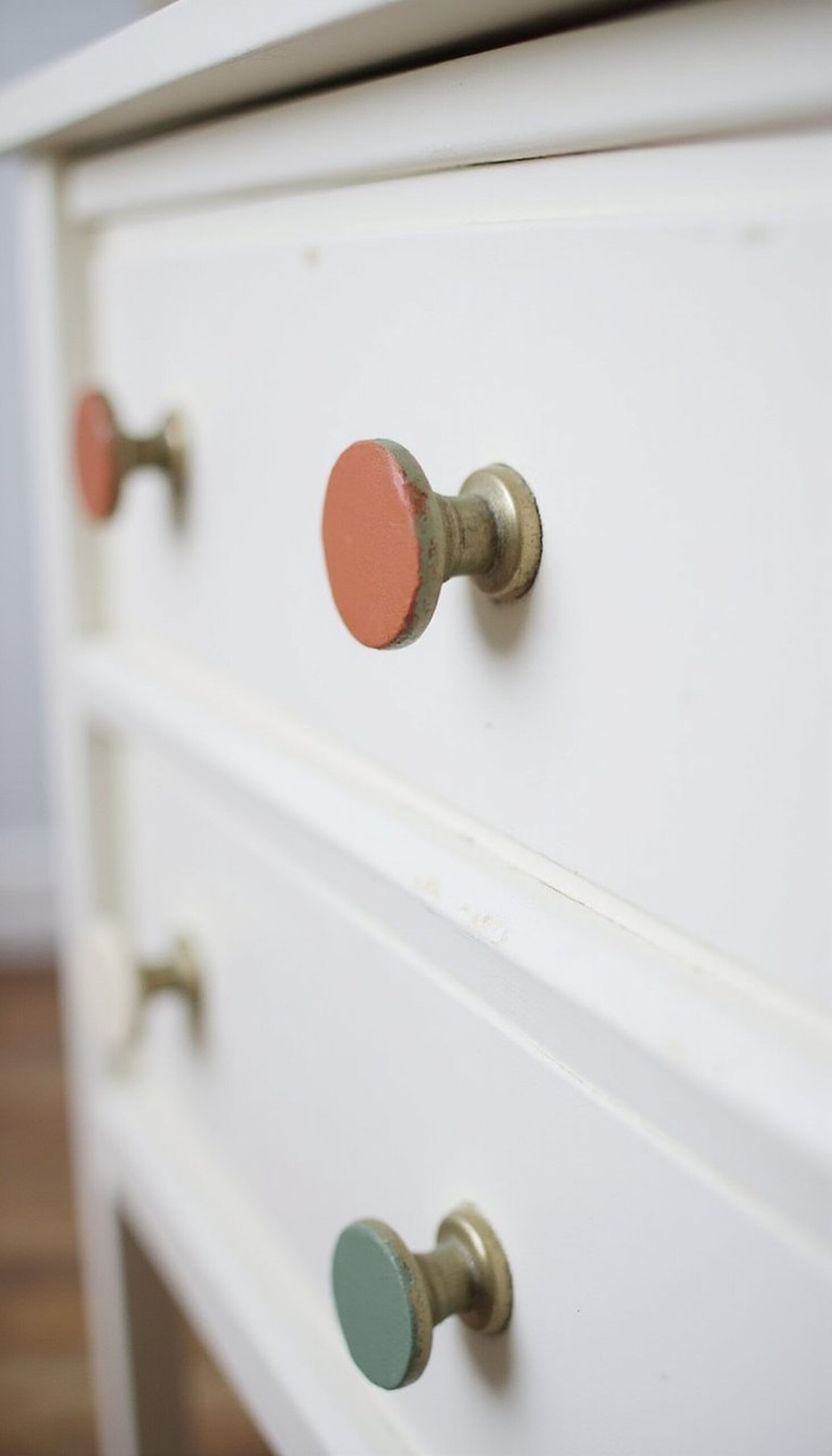
Handmade polymer clay knobs are an easy way to update cabinets and drawers. Mix pigments into clay, form small rounded shapes or textured button styles, and bake according to instructions. Seal with varnish for durability and attach to existing hardware for a fast swap. Choose colors that complement room textiles — muted terracotta, sage, or warm cream work well across styles. I made a set for a bathroom vanity and loved how a few new knobs shifted the whole mood without a full renovation.
Styling Tips
- Match at least one knob color to another accent in the room.
- Vary sizes across a dresser for a playful, collected look.
- Seal knobs well if used in humid spaces like bathrooms.
DIY terrazzo coasters with pretty speckle mix
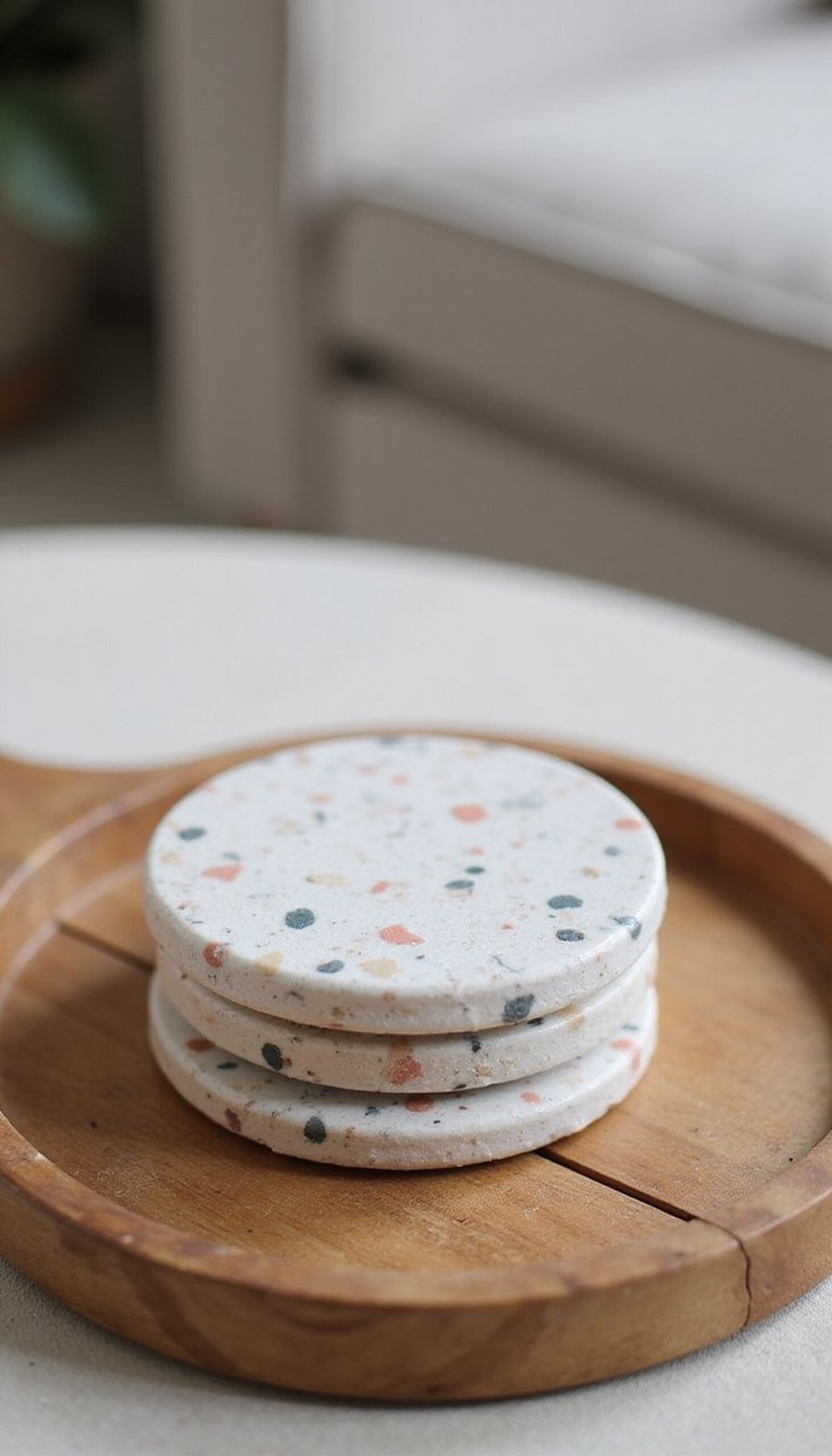
Make terrazzo-style coasters using white cement or air-dry clay and colorful chip fragments from leftover tiles or painted clay. Press fragments into the surface, smooth, then sand once cured for a tactile finish. Color palette can include soft blush, slate blue, and warm beige for a versatile set. These coasters are great small projects to gift or to set on a coffee table; they feel handmade and pair nicely with brass or wooden trays. I often keep a stack by the sofa for everyday use.
Styling Tips
- Seal coasters with a clear waterproof finish to protect from rings.
- Group in sets of three or four on a small tray.
- Choose muted chips to match room tones for cohesion.
Rope-wrapped mirror brings texture and warmth
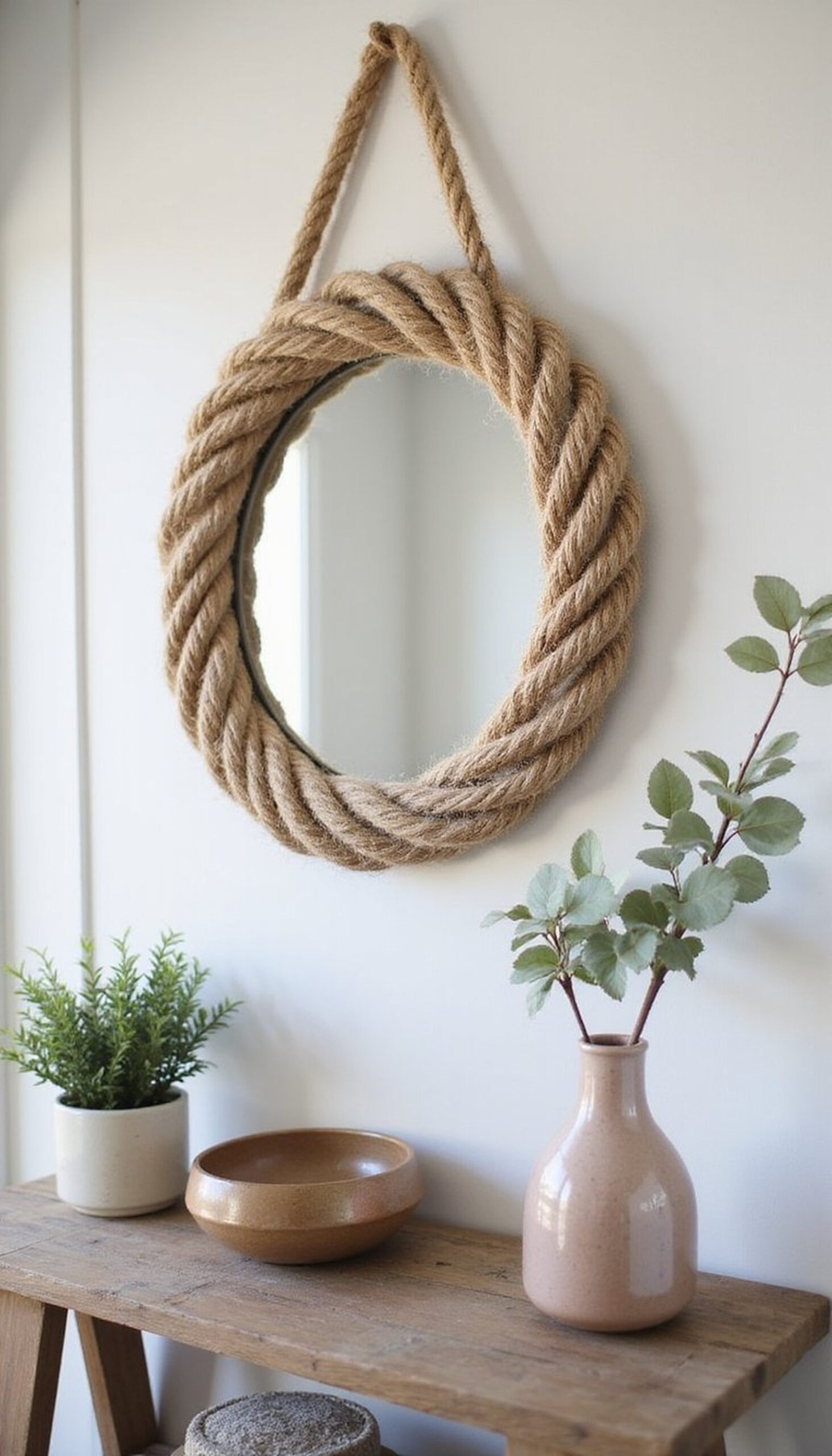
Wrap a round or oval mirror in natural rope for a coastal or rustic accent. Use a hot glue gun to secure coils of jute or sisal around the frame, finishing with a neat knot or brass pin. The tactile rope contrasts with glass and reflects light softly, perfect for bathrooms, entries, or above a console table. Pair with woven baskets and linen textiles to amplify the natural theme. I find this easy to make in an afternoon and it adds an instant cozy layer to plain walls.
Styling Tips
- Keep surrounding decor low and airy so the mirror stands out.
- Add a small shelf beneath with a vessel plant or candle.
- Use rope color that complements wood flooring tones.
No-sew curtains from drop cloths
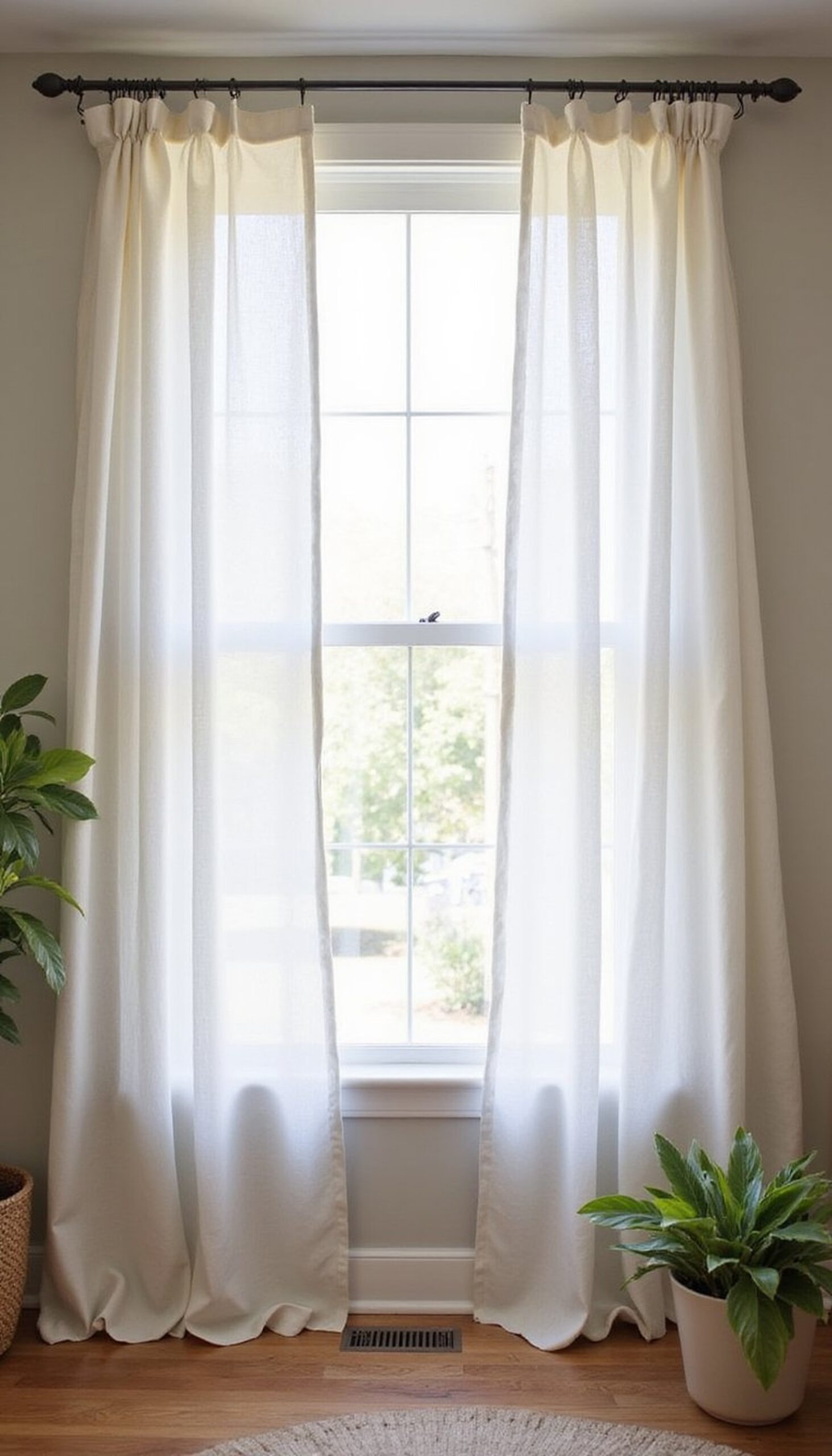
Drop cloths offer sturdy, textured fabric for long curtains without a sewing machine. Hem the edges with fabric tape, punch grommets, or clip to a rod using rings for a relaxed look. The natural canvas material reads like linen when washed and dyed; try a light wash of color or keep them raw for a farmhouse vibe. These work well in living rooms and studios where durability matters. I often pair them with sheer liners for softness and to filter light while keeping privacy.
Styling Tips
- Use curtain rings for easy hanging and a casual drape.
- Wash and iron the fabric before applying tape for a clean finish.
- Layer with lighter sheers to soften the canvas texture.
Chalkboard pantry door for kitchen charm
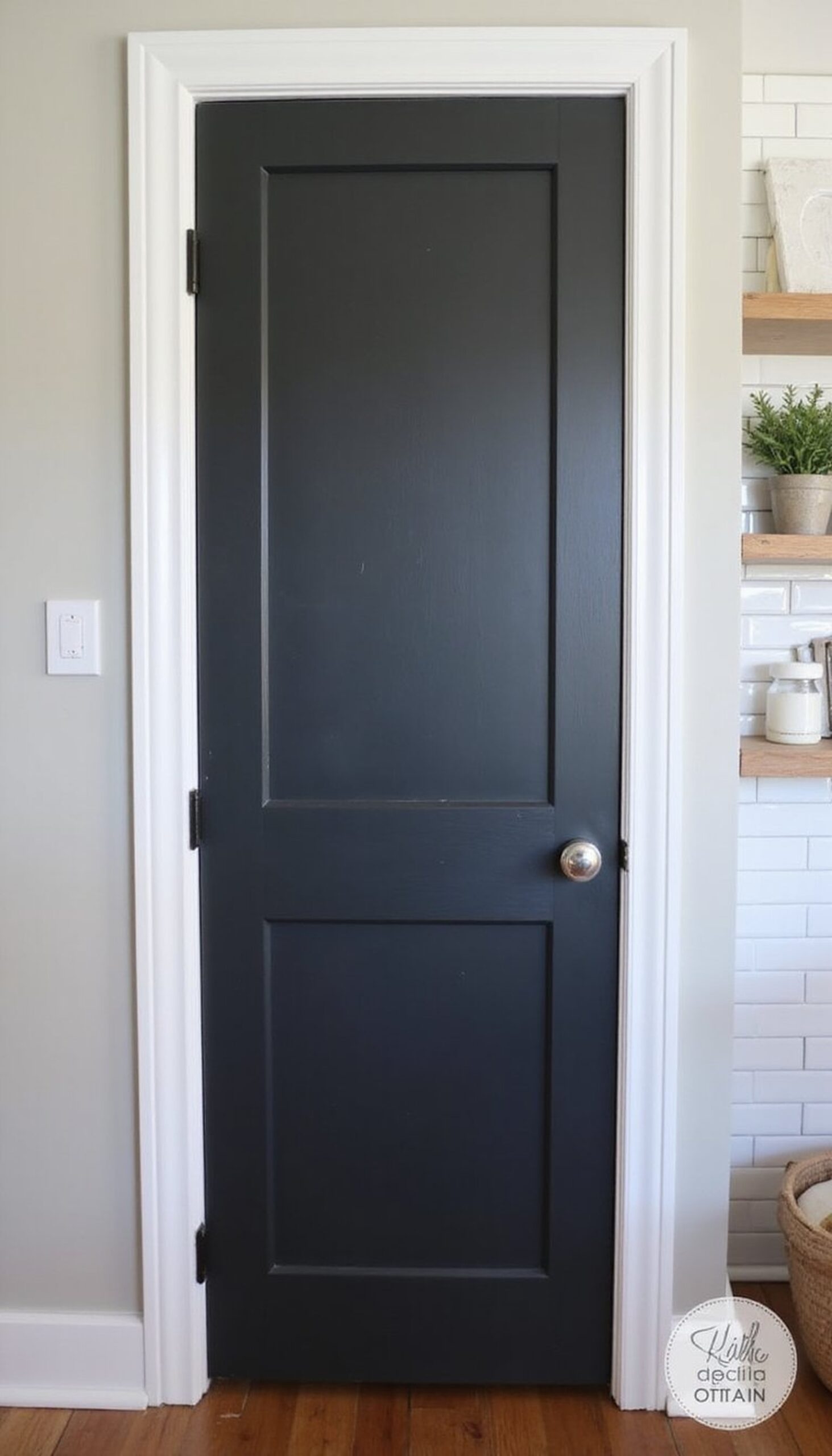
Turn a pantry or side of a cabinet into a chalkboard space using chalkboard paint or a magnetic chalkboard sheet. Frame with thin molding painted in a contrasting color to keep the look neat. Use it for grocery lists, meal planning, or a rotating quote. Chalkboard surfaces pair well with warm wood countertops and white subway tile, adding a homey, functional detail. I love how it makes the kitchen feel interactive and a tiny custom feature without complicated work.
Styling Tips
- Keep a small shelf nearby for chalk and an eraser.
- Use fine-tip chalk markers for cleaner lines and drawings.
- Clean regularly with a damp cloth to avoid ghosting.
Small indoor herb garden on a windowsill
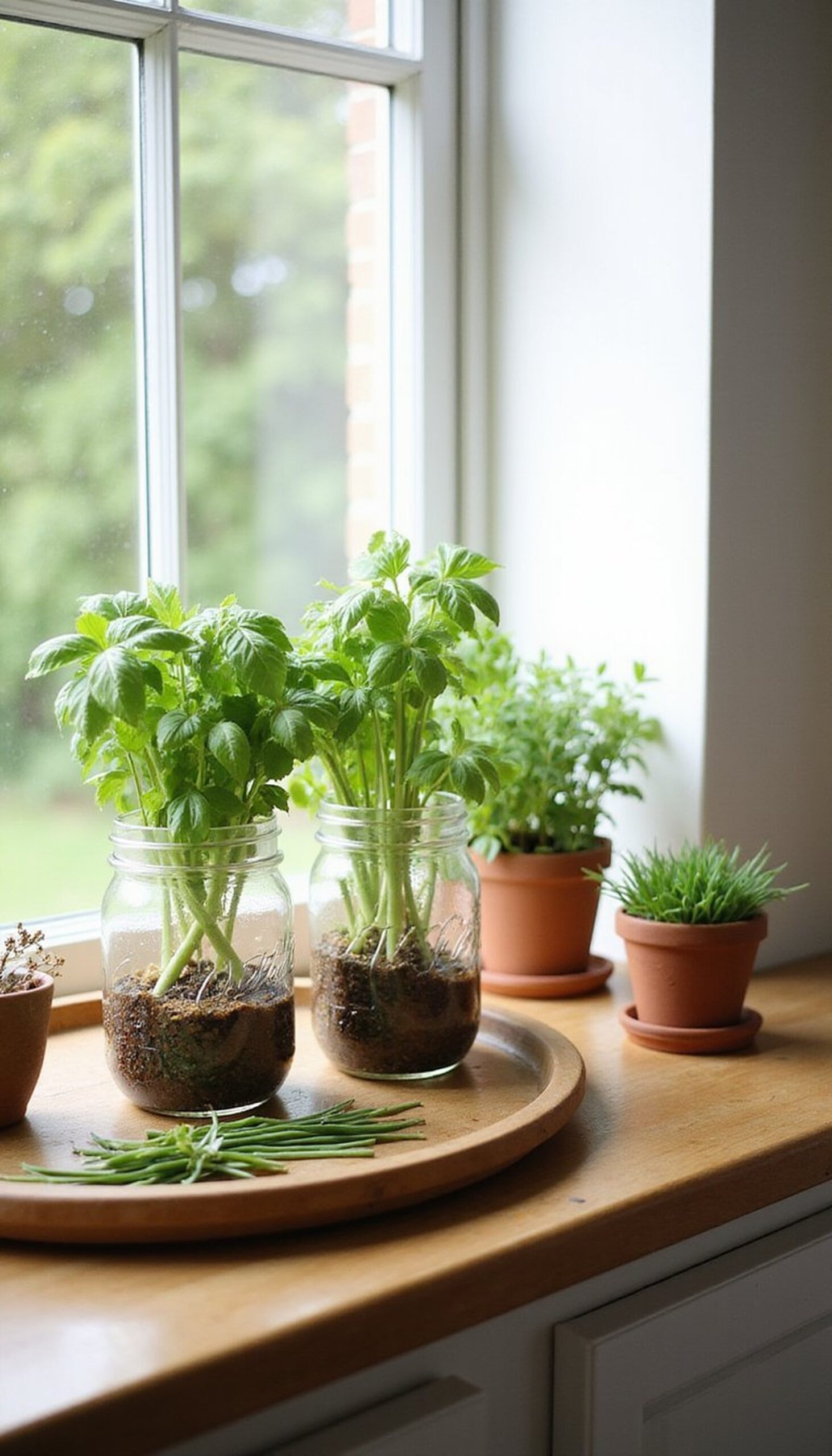
Create a sunny windowsill herb garden using mason jars, small terracotta pots, or recycled tins. Plant basil, mint, and chives in well-draining soil and add pebble drainage if using jars. Group plants on a simple wooden tray and rotate for even light. The fresh greens add scent and life to kitchens and make cooking more immediate — I often pinch fresh herbs while rinsing veggies. Use chalkboard labels or stamped tags to mark each jar, keeping the arrangement tidy and charming.
Styling Tips
- Place herbs in the brightest window you have for vigorous growth.
- Choose a mix of heights for a layered look on the sill.
- Water from below when possible to avoid soggy leaves.
Peel-and-stick wallpaper accent strip
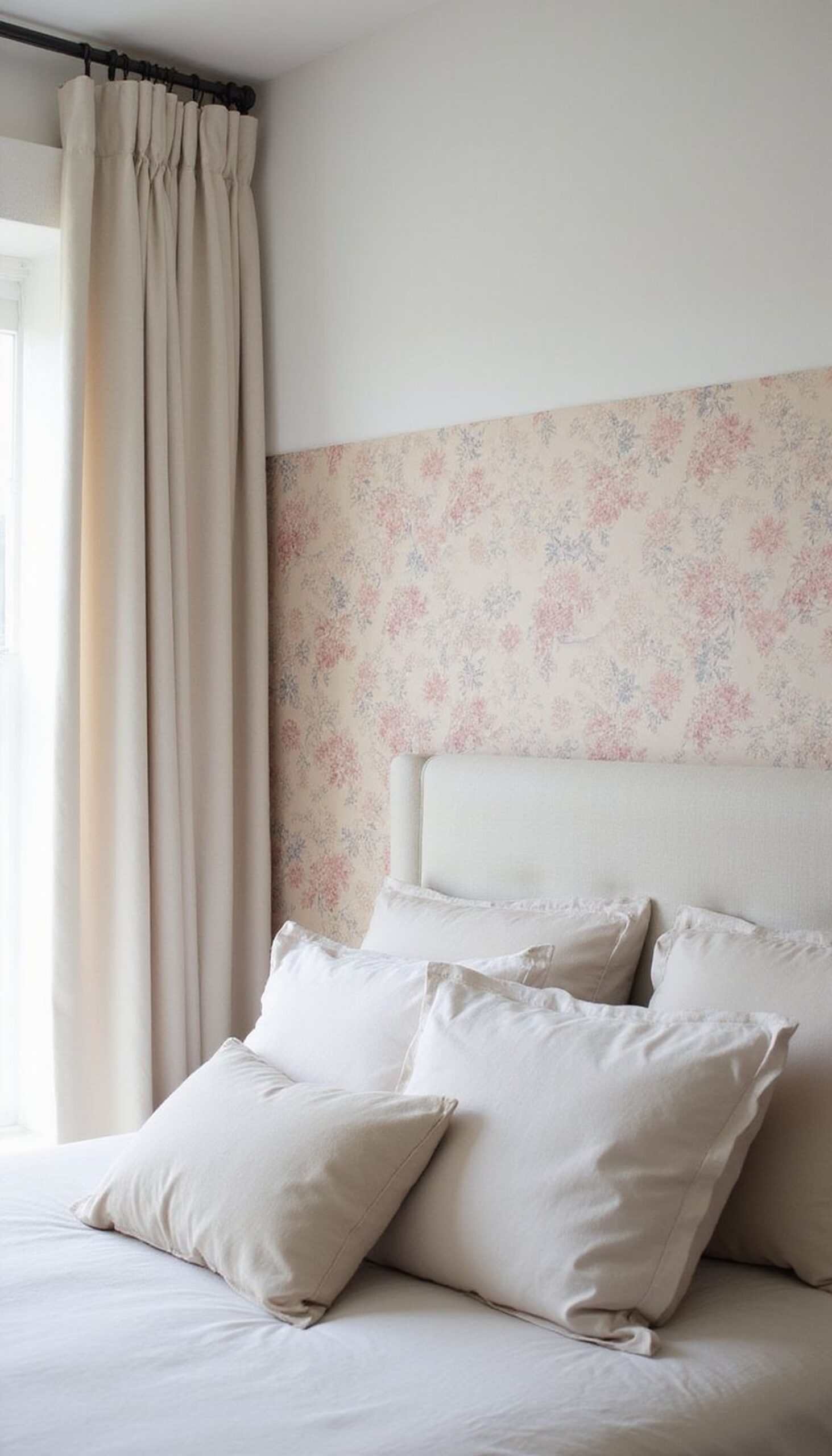
A vertical strip of peel-and-stick wallpaper can frame a bed, define a nook, or freshen a stair landing without covering an entire room. Choose a pattern that complements textiles — small-scale florals, subtle geometrics, or a soft mural — and align edges carefully for a seamless look. The stick-on option is renter-friendly and removable, which I appreciate when testing a new color story. Combine with simple molding or a thin frame to make the strip feel intentional and neat.
Styling Tips
- Measure and mark the wall precisely before peeling the backing.
- Use a smoothing tool to avoid bubbles and creases.
- Match bedding or rugs to one of the wallpaper hues for unity.
Concrete sink planter for industrial corners
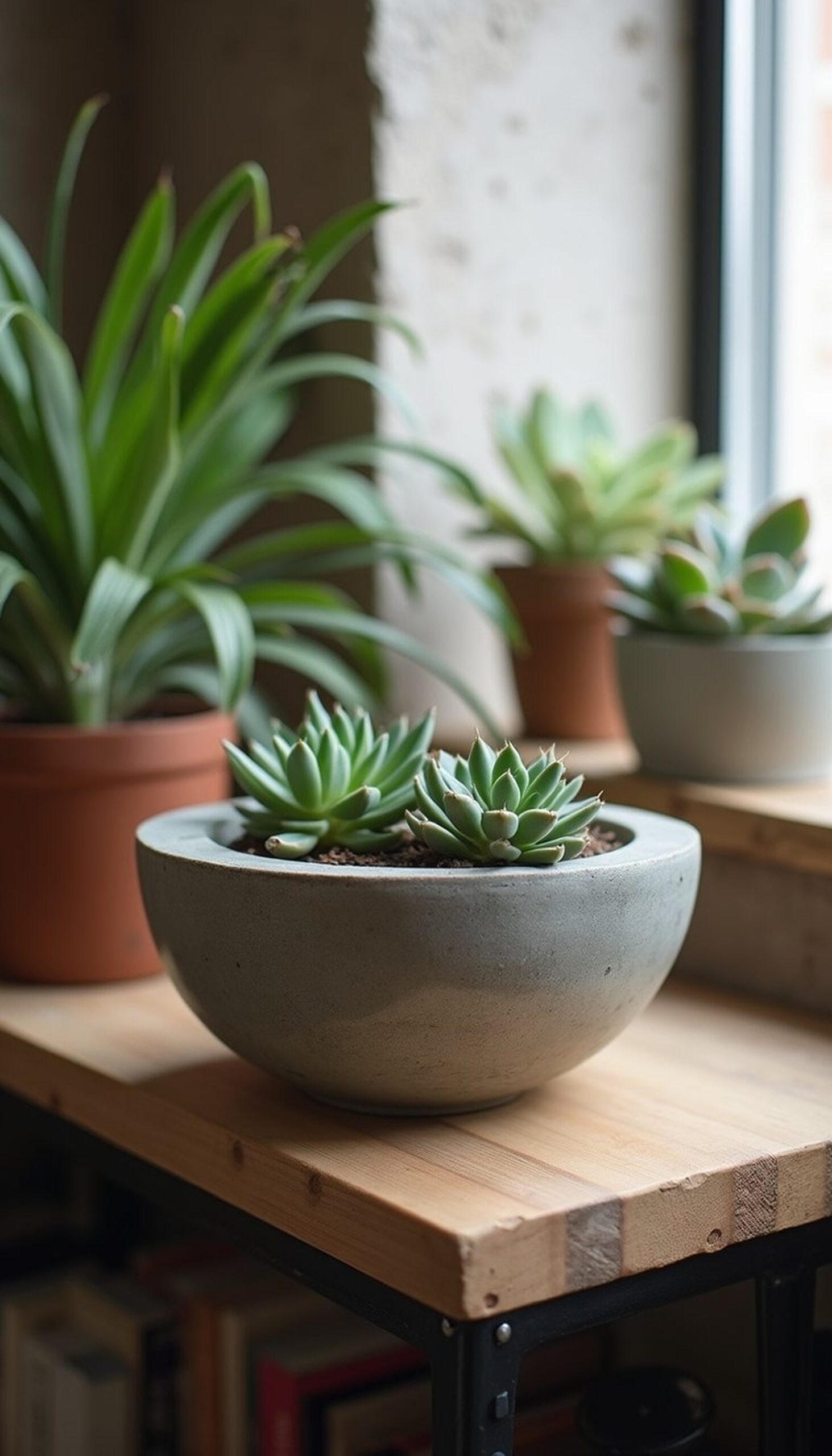
Cure a concrete sink-shaped planter in a silicone mold and sand until smooth for a small indoor planter or catchall. The concrete’s cool gray works with metal and wood accents, and it’s surprisingly lightweight if mixed with perlite. Line with a thin waterproof sealant if planting directly, or use a glass liner for easy swaps. These planters look at home on loft-style shelves or next to a minimalist desk. I made a small one for my entry and enjoy the sculptural quality it adds.
Styling Tips
- Use succulents or air plants to avoid heavy watering needs.
- Place on cork pads to protect furniture from scratches.
- Pair with brass or matte black hardware for contrast.
Woven headboard from rattan or seagrass
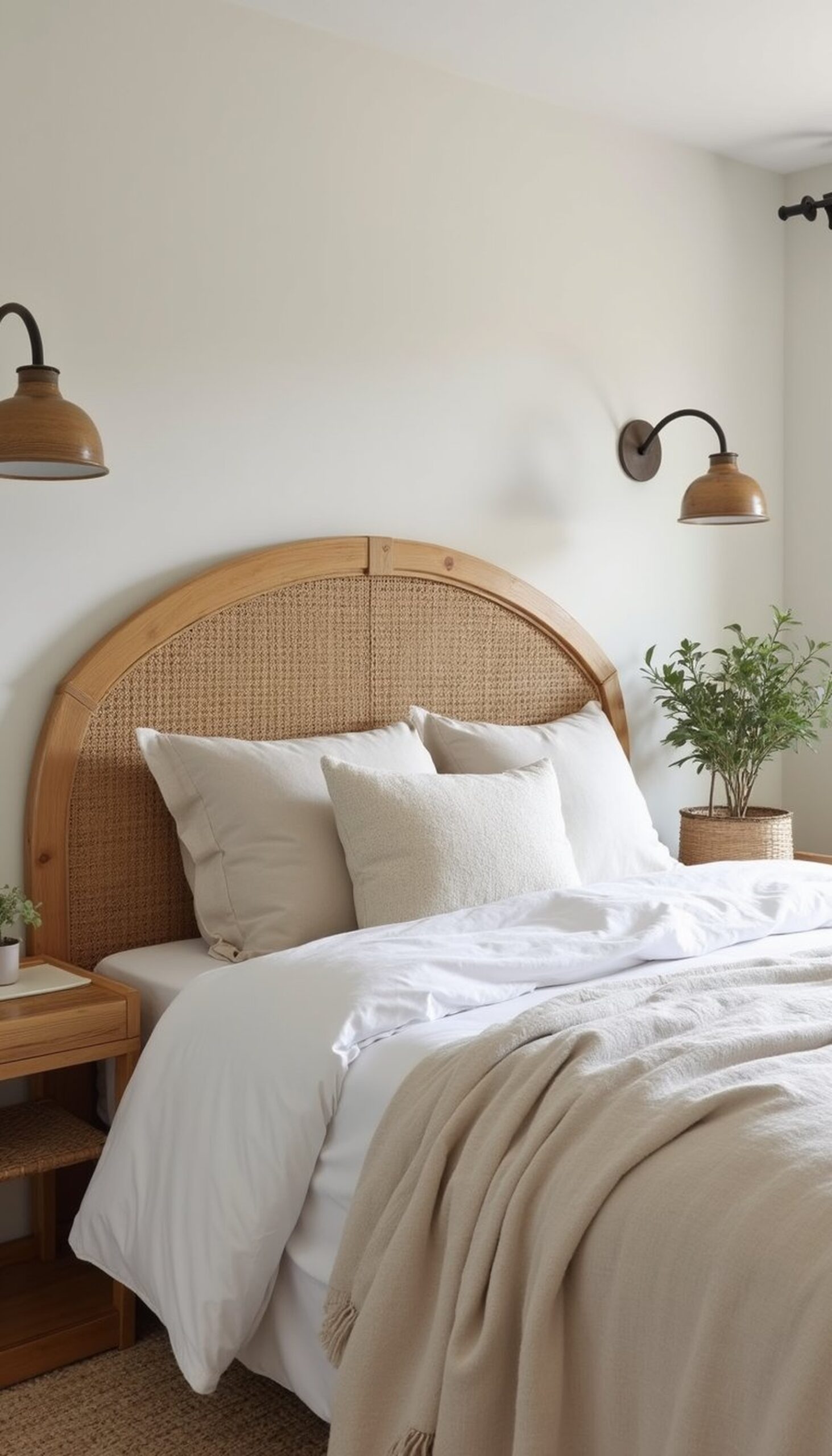
Craft a statement headboard by attaching woven rattan or seagrass panels to a simple plywood base. Keep the weave visible and frame it with thin wood for a neat edge. The natural weave brings texture against soft bedding and reads calm in bedroom color palettes of cream, terracotta, or muted green. This DIY can be scaled to single or king beds; I once built one with leftover panels and it instantly lifted the whole room, making sheets and throws read more intentional.
Styling Tips
- Anchor the headboard with bedside sconces instead of bulky lamps.
- Choose bedding in linens or cotton to complement the weave texture.
- Add a slim shelf above for small plants or a treasured object.
Statement pendant lamp from a wire basket
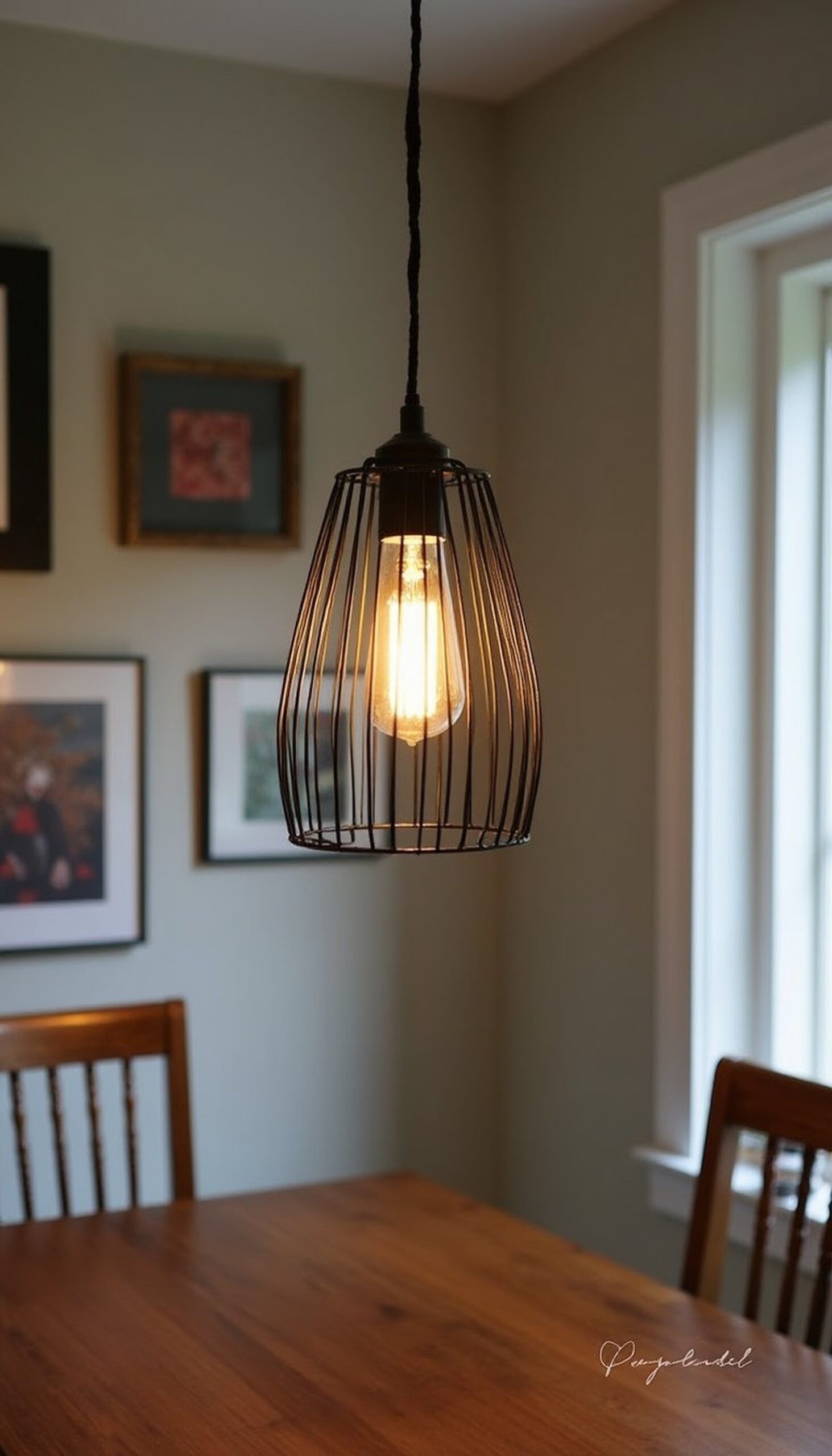
Convert a decorative metal basket into a pendant lamp by adding a simple socket kit and a warm LED bulb. Spray-paint the basket in matte black, soft brass, or white for a custom finish, and line the interior with a diffuser if the light is too harsh. Hang over a dining table or kitchen island for an industrial-meets-handmade aesthetic. I enjoy the shadow patterns these create at night; they feel cozy and sculptural without a hefty price tag.
Styling Tips
- Use a warm-toned bulb for softer overhead light.
- Hang slightly lower over a table to create intimacy.
- Coordinate with other metal finishes in the room for balance.
Recycled jar pendant lights for kitchen islands
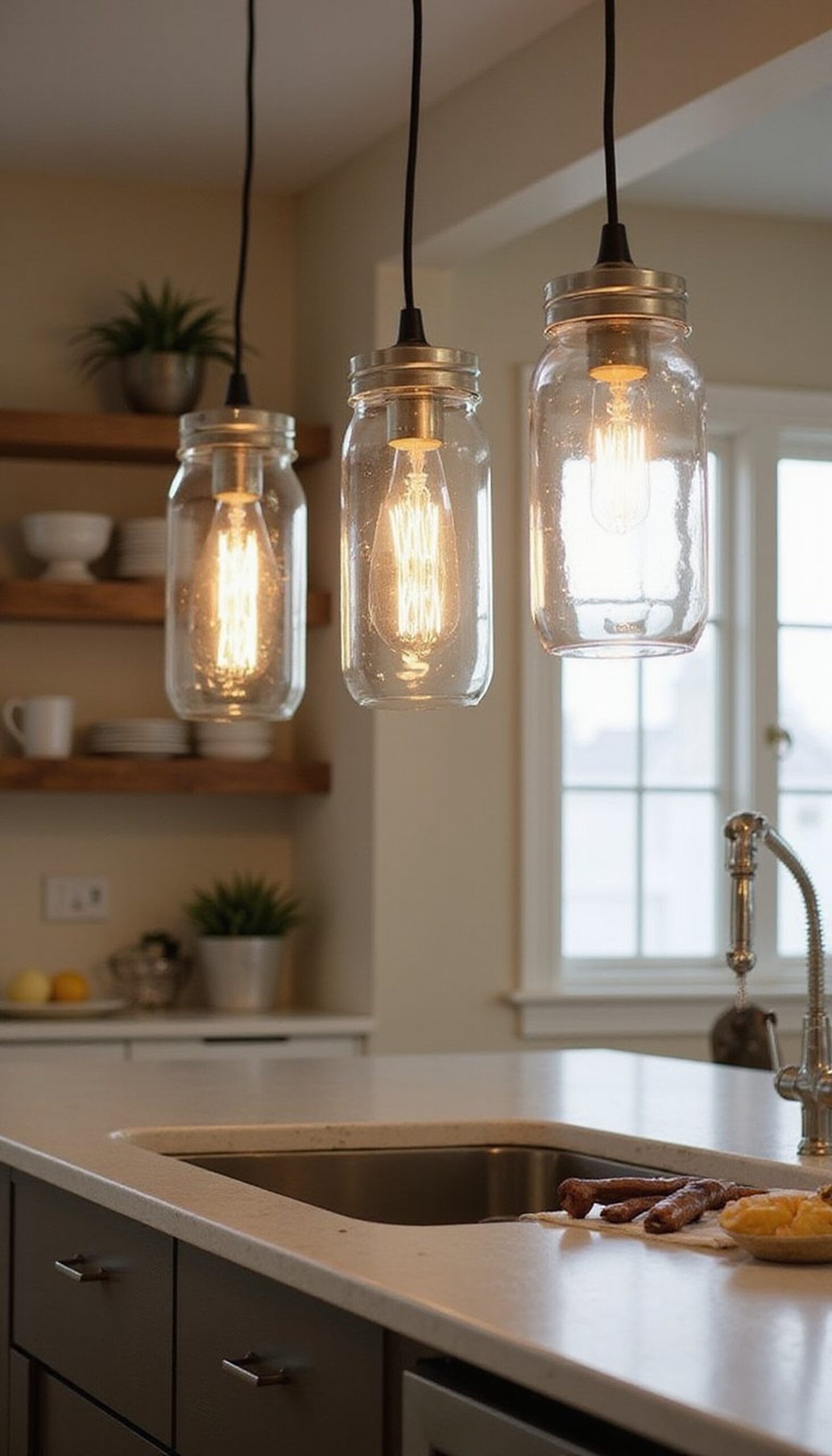
Turn glass jars into charming pendant lights by cutting out bottoms or using open-mouthed jars with socket kits and cords. Clean glass gives a clear, modern look; tinted jars offer subtle color and warmth. Secure cords with a wooden beam or a metal canopy and cluster several at varying heights for interest. These work especially well over narrow islands or breakfast nooks; I like mixing jar sizes to create a casual, collected trio that brightens the space without fuss.
Styling Tips
- Secure wiring safely and test before final hanging.
- Mix clear and tinted glass for a soft color story.
- Use LED filament bulbs for a gentle, vintage vibe.
Painted floor runner for lively hallways
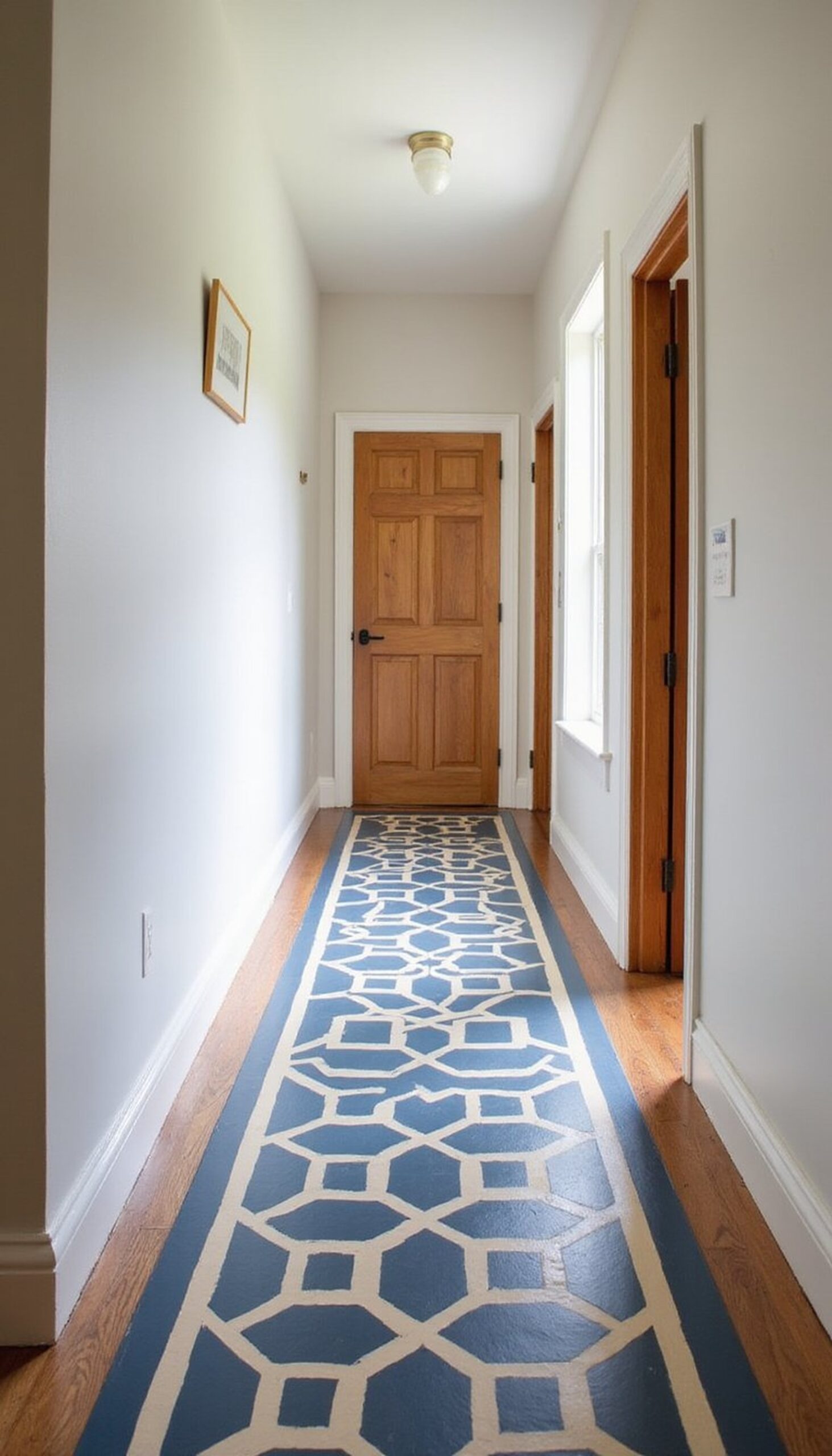
Give a narrow hallway new life with a painted floor runner. Use a low-tack stencil or wide painter’s tape to block out a pattern and paint with floor paint in two contrasting hues. Seal with a clear polyurethane for durability and add simple trims or small rugs at doors for protection. The painted runner is a friendly way to introduce color and pattern without replacing flooring. I enjoy how it guides footsteps through the home and makes a plain hall feel intentional.
Styling Tips
- Rough up the floor slightly before painting for better adhesion.
- Choose a durable floor paint and seal it well for traffic.
- Keep patterns bold but limited to two colors for clarity.
Reupholster dining chairs with linen fabric
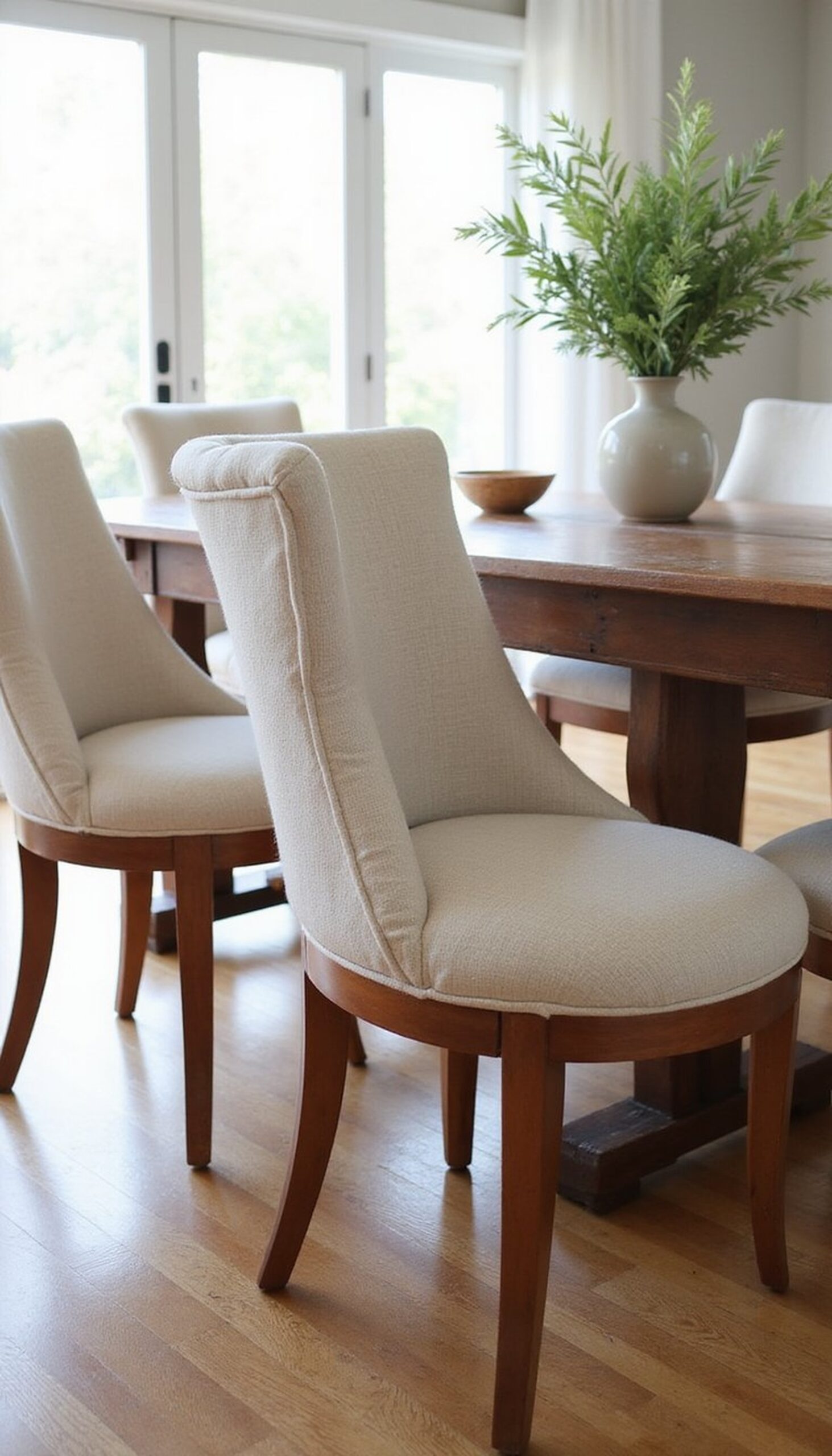
Give tired dining chairs new life by replacing seat fabric with washed linen or woven cotton. Remove the seat, use foam padding if needed, and staple the fabric neatly underneath. Choose neutral tones for longevity or a muted pattern to hide wear. This small upholstery job updates a dining set without buying new pieces, and the tactile linen invites people to linger at the table. I enjoy matching the chair fabric to a table runner for a cohesive, relaxed dining setup.
Styling Tips
- Use high-quality foam for lasting seat comfort.
- Pinch excess fabric at the corners for a smooth finish.
- Coordinate seat color with napkins or a centerpiece.
Layered rugs to define open-plan spaces
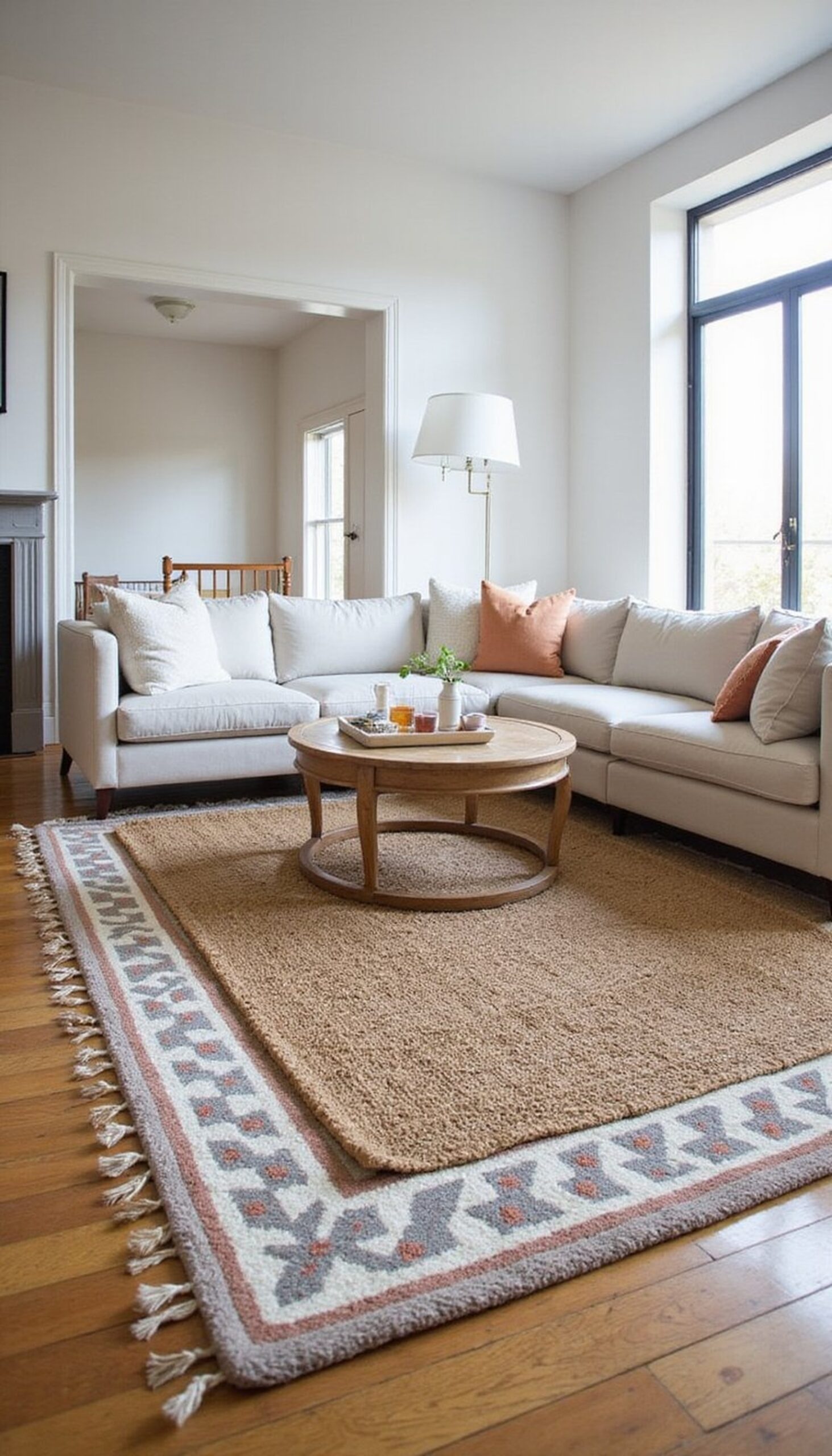
Layering rugs is an easy way to carve out zones in open-plan living areas. Start with a large natural fiber base and add a smaller patterned wool or flatweave rug on top to define seating or dining areas. The contrast of textures — jute with soft wool, for instance — brings depth while keeping the floor grounded. I often secure layers with a hidden rug pad so they don’t shift. This trick works well in studios where furniture placement needs a clear visual anchor.
Styling Tips
- Keep the top rug proportionate to the furniture grouping.
- Use a rug pad between layers to stop slipping.
- Mix neutral base tones with a patterned accent for interest.
Seasonal mantel vignette that changes easily
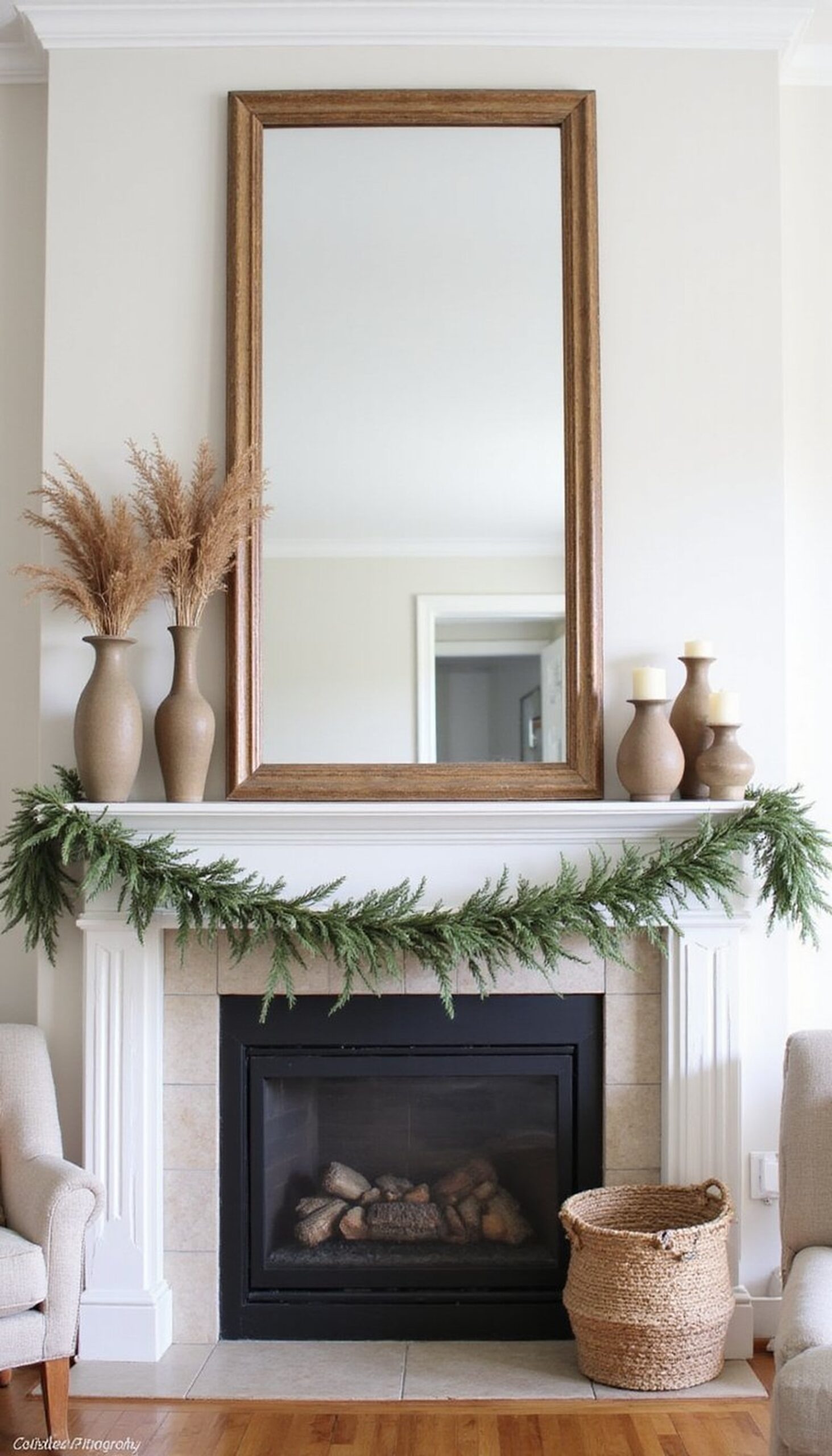
Refresh a mantel with simple seasonal swaps: a woven garland in fall, bare branches in winter, fresh blooms in spring. Use a neutral base such as a long mirror or framed print and layer smaller objects like candles, books, and ceramic vessels that can be moved around. Changing a few elements shifts the mood without exhaustive redecorating. I find keeping a small box of rotation pieces by the hearth makes swaps quick and enjoyable, and the mantel becomes a little stage for the home’s rhythm.
Styling Tips
- Keep a consistent base element so switches feel cohesive.
- Group objects in odd numbers for natural balance.
- Add a small mirror to reflect light and expand the space.