As an Amazon Associate I earn from qualifying purchases.
Spring Wildflower Hikes in California showcase rolling fields of poppies, lupine, and goldfields across deserts, coastal bluffs, and mountain meadows. Timing changes with elevation and recent winter rains, so planning for bloom windows helps match trail choices to floral displays.
California wildflower hikes range from short interpretive loops to long ridge walks that cross colorful slopes and open vistas. Each route highlights different ecosystems where spring wildflowers in California color roadsides, valley floors, and higher alpine patches.
Photography pairs best with early light and a low viewpoint to capture layered blooms and distant peaks. Respecting trails and fragile plants keeps these seasonal landscapes healthy for future spring wildflower hikes in California.
Antelope Valley Poppy Reserve orange sea
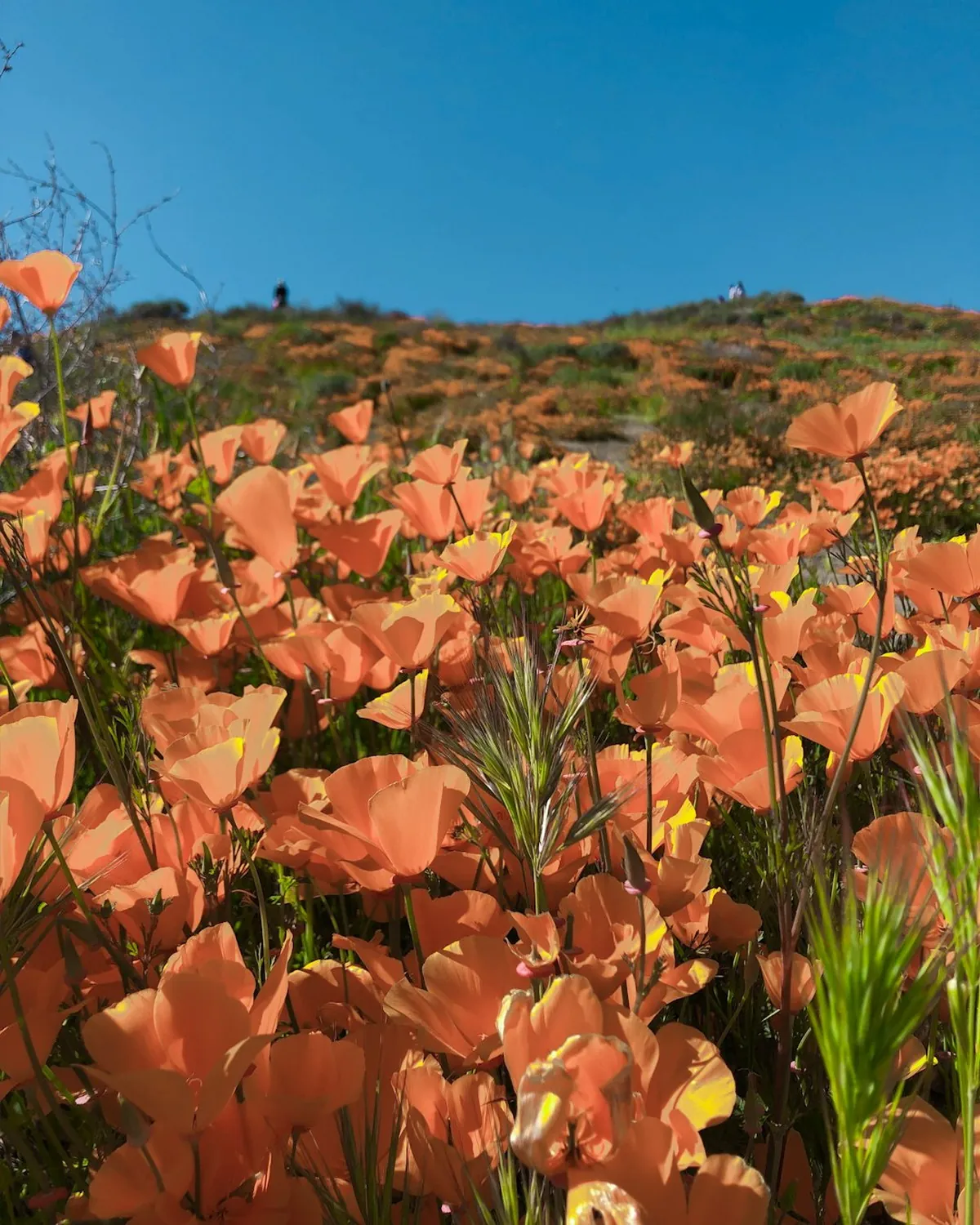
Photo by Megan Ellis on Unsplash
Antelope Valley California Poppy Reserve paints rolling hills with bright orange poppies from mid March into April. The reserve’s short loops and fenced viewing areas guide walkers through zones where blooms are protected and admired without trampling.
Goldfields, tidy tips, and purple lupine often mingle with the poppy blankets on gentle slopes and flats near the visitor center. Parking fills early on sunny weekends, so plan a weekday morning or arrive just after dawn for quieter light and calmer crowds.
Seasonal interpretive signs explain plant ecology and local restoration efforts along the route near the ranger station. Stick to marked paths and avoid stepping into blooms to keep the reserve healthy for future springs.
Walker Canyon? Lake Elsinore poppy hills
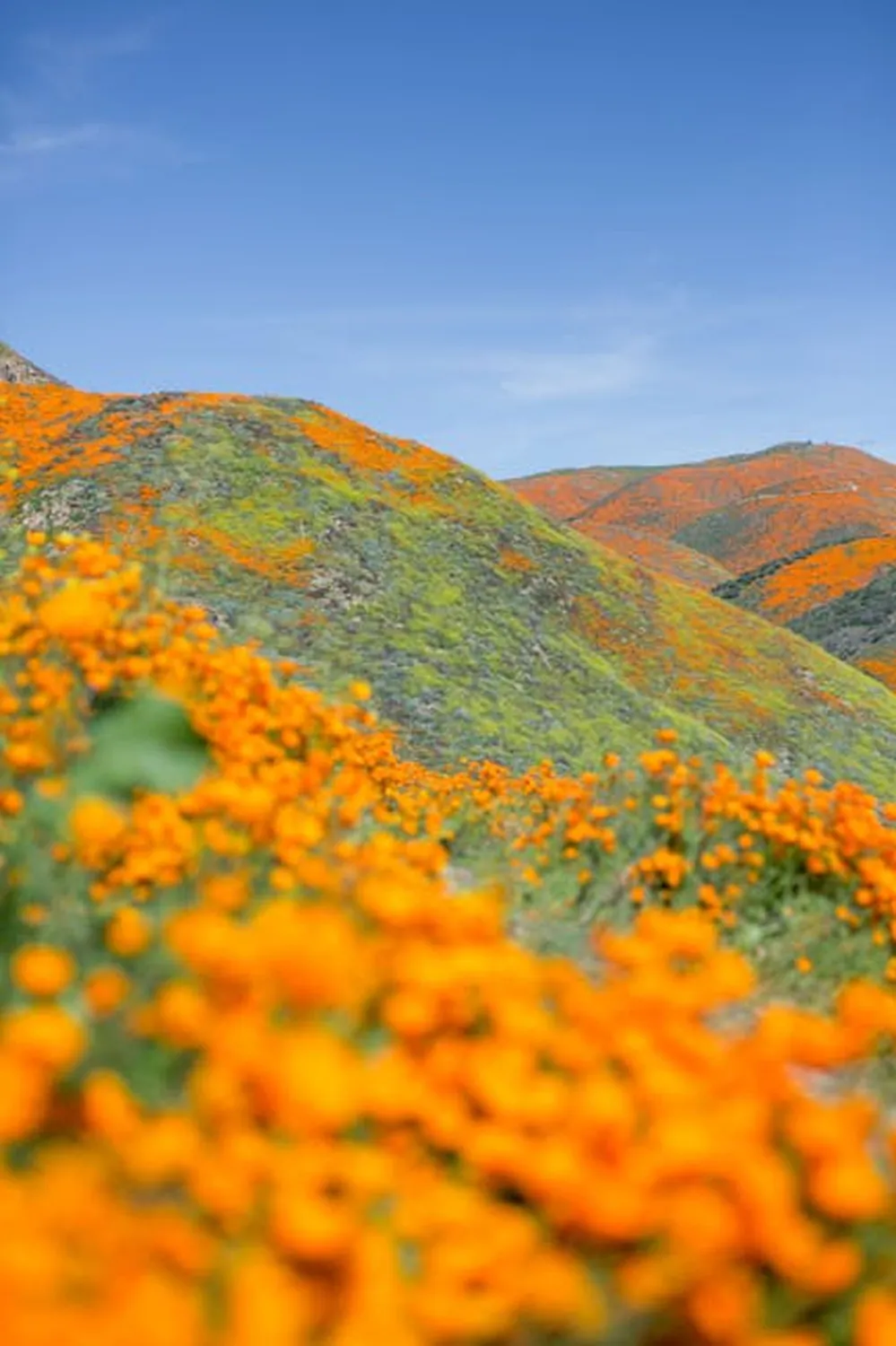
Photo by Angelica Reyn on Pexels
Walker Canyon near Lake Elsinore draws photographers and day hikers to dramatic poppy blooms during peak spring displays. The main access follows dirt paths up shallow ridges that open onto sweeping orange slopes in prime years.
Because this spot can see heavy visitation during super blooms, expect tighter parking and crowded viewpoints on weekends and holidays. Early arrival and off-peak weekday hikes help capture quieter compositions and softer morning light among the flowers.
Respect private property boundaries along the trail approach and carry plenty of water on warm spring days in the canyon. Keeping to established footpaths protects seedlings and ensures that future seasons will also host vivid fields.
Carrizo Plain wide meadows and solitude
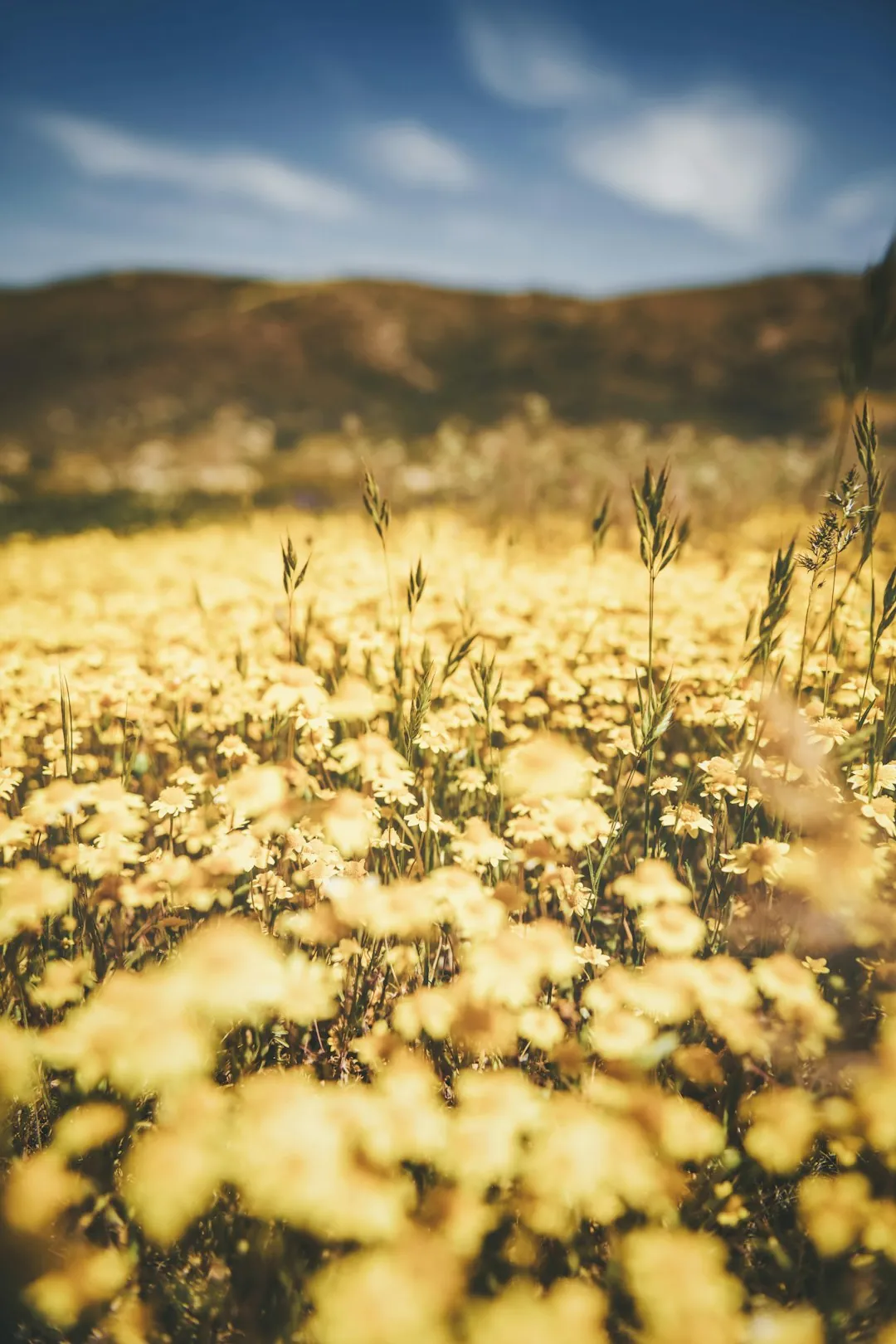
Photo by Tim Mossholder on Unsplash
Carrizo Plain National Monument offers expansive spring meadows where goldfields and poppies sweep across broad valley flats. Long vistas and minimal development create a sense of open country that contrasts with coastal and foothill blooms.
Trails and dirt roads thread through the monument with access to Painted Rock and Soda Lake viewpoints that frame flower carpets against distant hills. The remote location rewards multi-hour outings and early morning light for photography across the plain.
Pack water and layers for windy conditions, and check road status after winter storms before driving in. Staying on marked routes and camping only in designated areas helps protect fragile prairie habitat and rare plant populations.
Download printable itineraries, packing lists, and travel guides with high-resolution maps sent to your email immediately for your next trip.

One printable guide · $19.99 · yours forever
Anza-Borrego desert shows colorful surprises
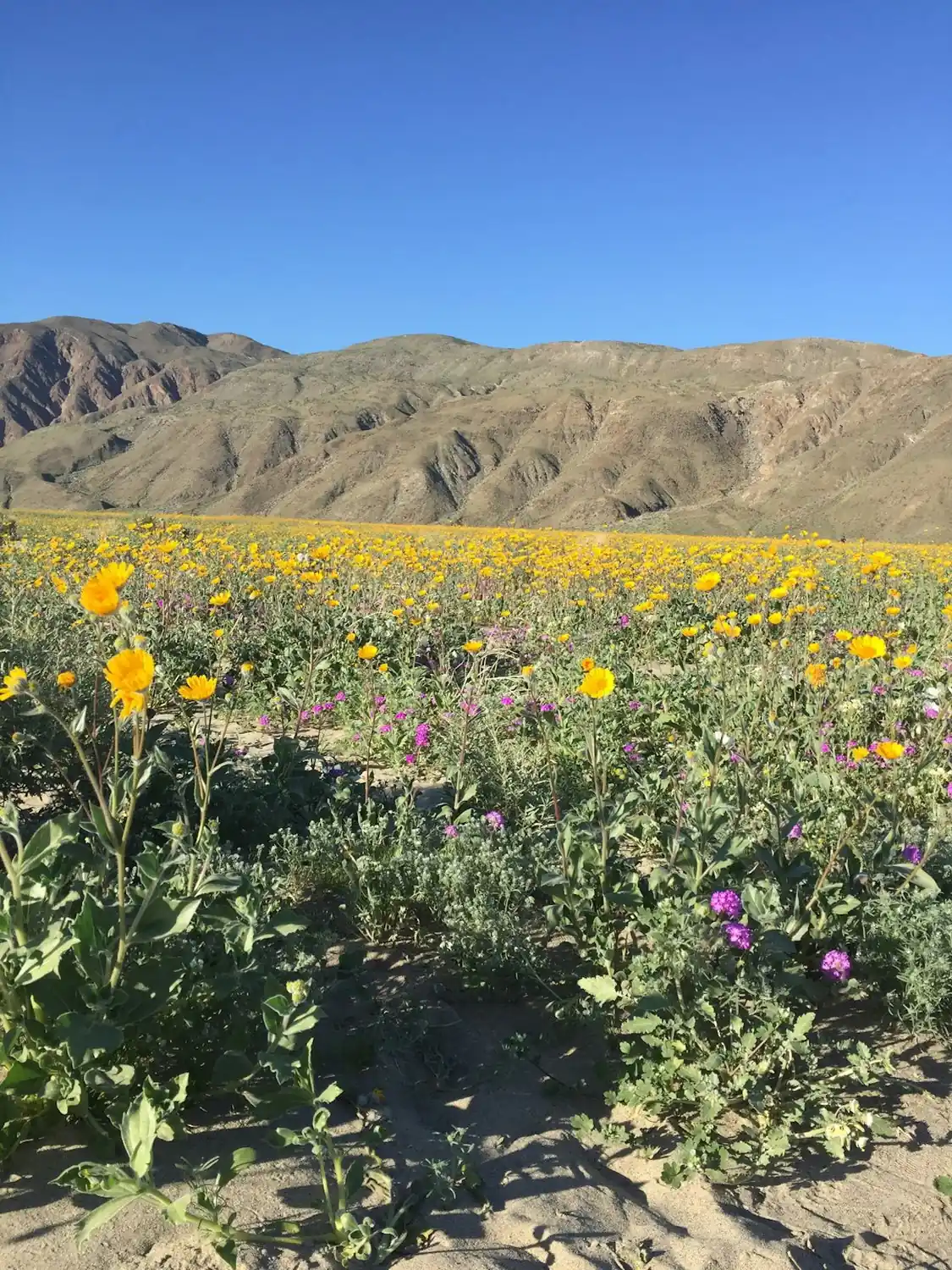
Photo by Michele Little on Unsplash
Anza-Borrego Desert State Park becomes a painter’s palette in wet springs when desert marigolds, sand verbena, and brittlebush bloom across washes and bajadas. Trails range from short interpretive walks to long washes that reveal blooms tucked among desert scrub and ocotillo.
Lower-elevation desert hikes warm quickly, so start early to enjoy cool morning air and crisp light on flowering patches near Borrego Springs. Many wildflowers hug the ground, creating carpets that contrast with distant badlands and palm oases.
Avoid driving on soft washes after rains and respect seasonal closures to protect habitat and ephemeral streams. Carry ample water, sun protection, and a map; desert conditions change fast even in spring.
Point Reyes coastal spring blooms to photograph
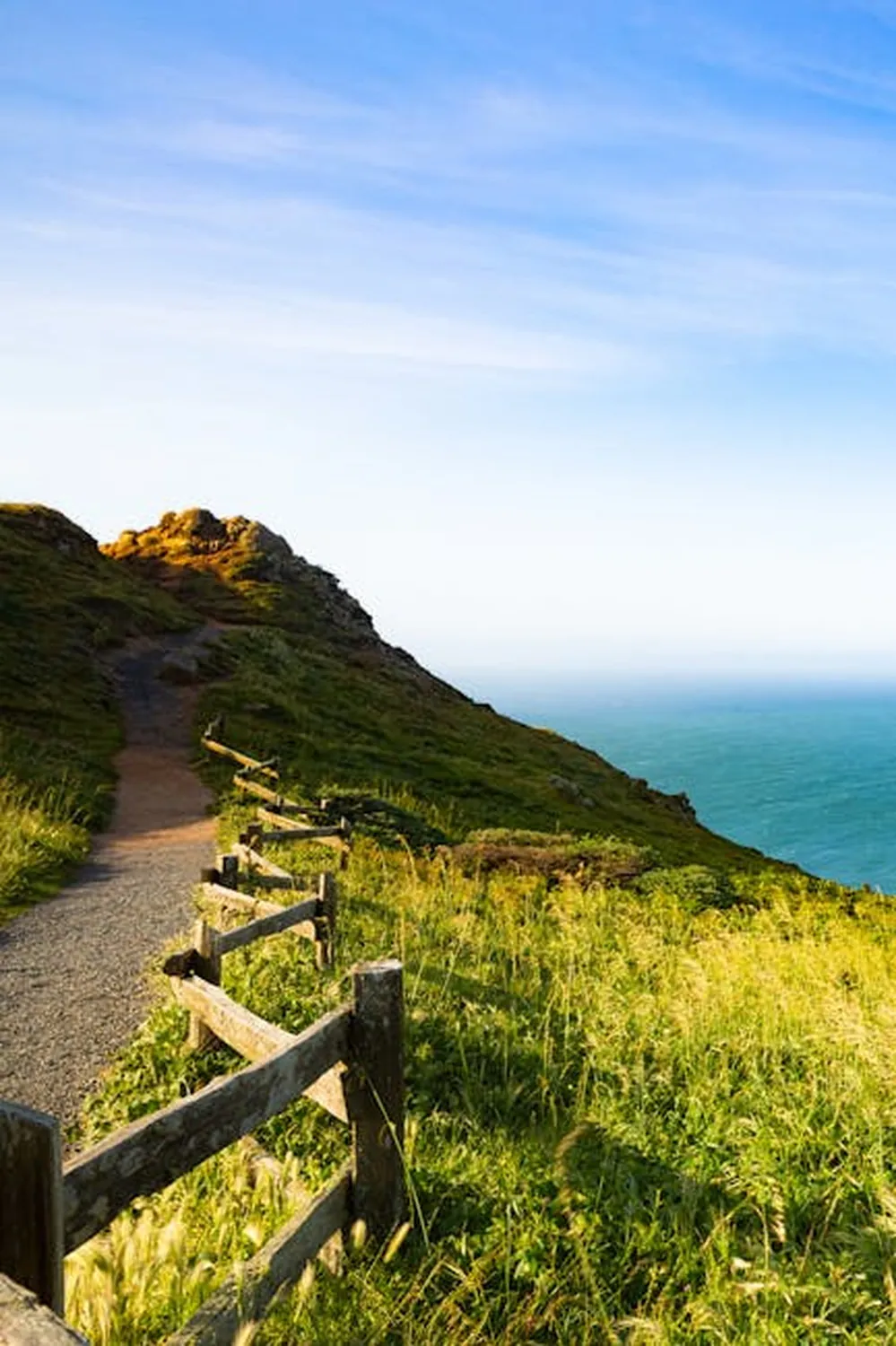
Photo by Mikhael Mayim on Pexels
Point Reyes National Seashore hosts coastal bluffs and grasslands where spring wildflowers flare among seaside scrub and wind-swept trails. Look for tidy tips, Douglas iris, and seacliff buckwheat on headlands that face the Pacific Ocean.
Routes like the Chimney Rock and Drakes Beach loop combine wildflower viewing with ocean vistas and possible whale sightings offshore. The park’s cooler maritime climate often delays peak color compared with inland valleys, extending bloom windows into late spring.
Layered clothing and a windproof jacket help for early-morning coastal hikes, and parking fills at popular trailheads during peak weekends. Keep dogs on designated paths and avoid trampling fragile bluff-top plants to preserve shoreline meadows.
Mount Diablo slopes with golden spring fields
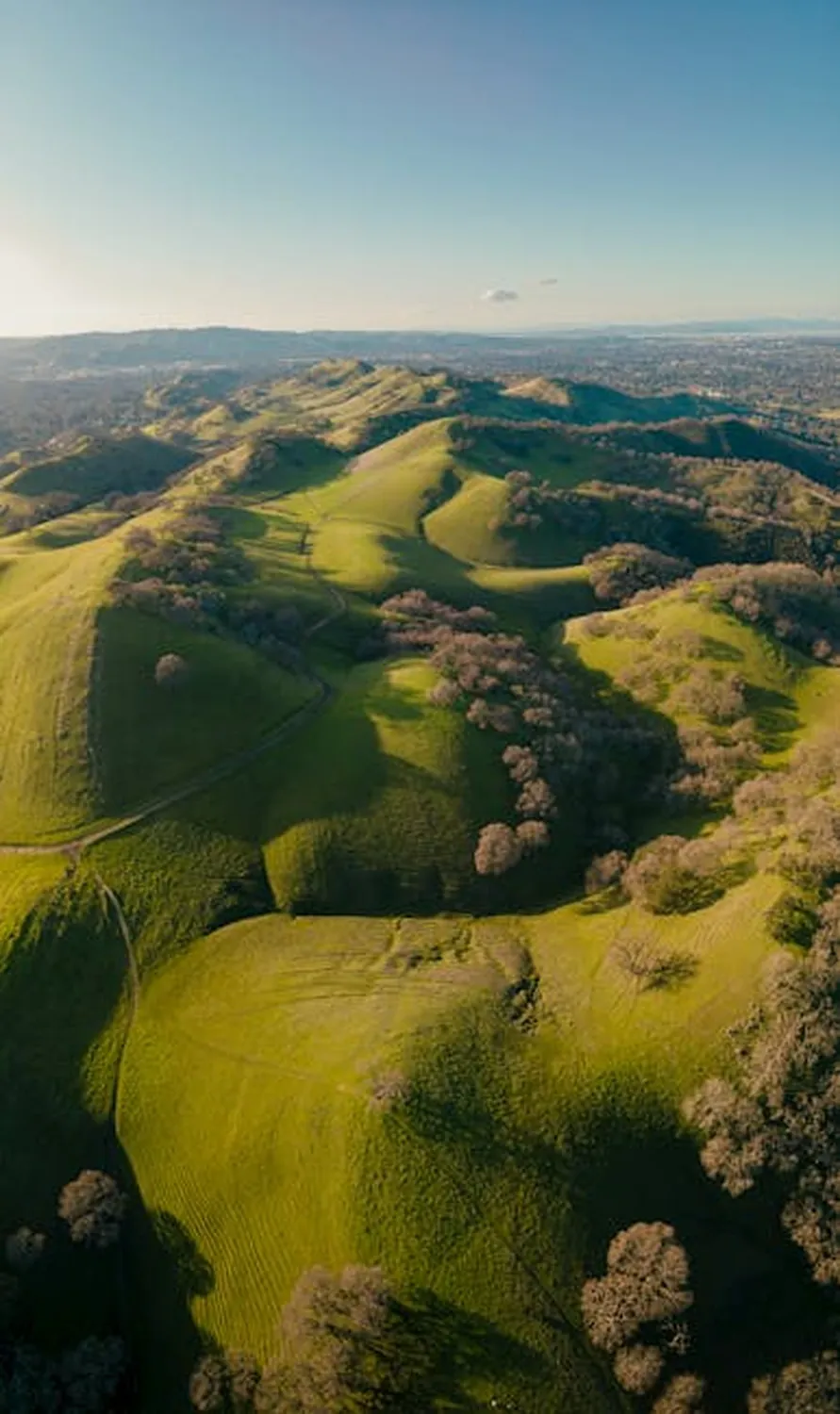
Photo by Griffin Wooldridge on Pexels
Mount Diablo State Park features hill slopes carpeted with poppies, lupine, and other wildflowers as spring advances up in elevation. Ridge trails offer panoramic views of flowering hillsides dropping into valleys and distant peaks on clear days.
Lower elevation trails fill earlier in the season while higher ridgelines bloom later, creating layered opportunities for multi-stop hikes. Short loops near the summit parking lead to viewpoints where early-morning light highlights bands of color across the landscape.
Bring sturdy shoes for rocky slopes and watch for ticks in grassy sections during warmer days. Following trail markers and seasonal signage protects native plant communities and seeded restoration areas.
Big Sur’s coastal bluffs and lupine lines
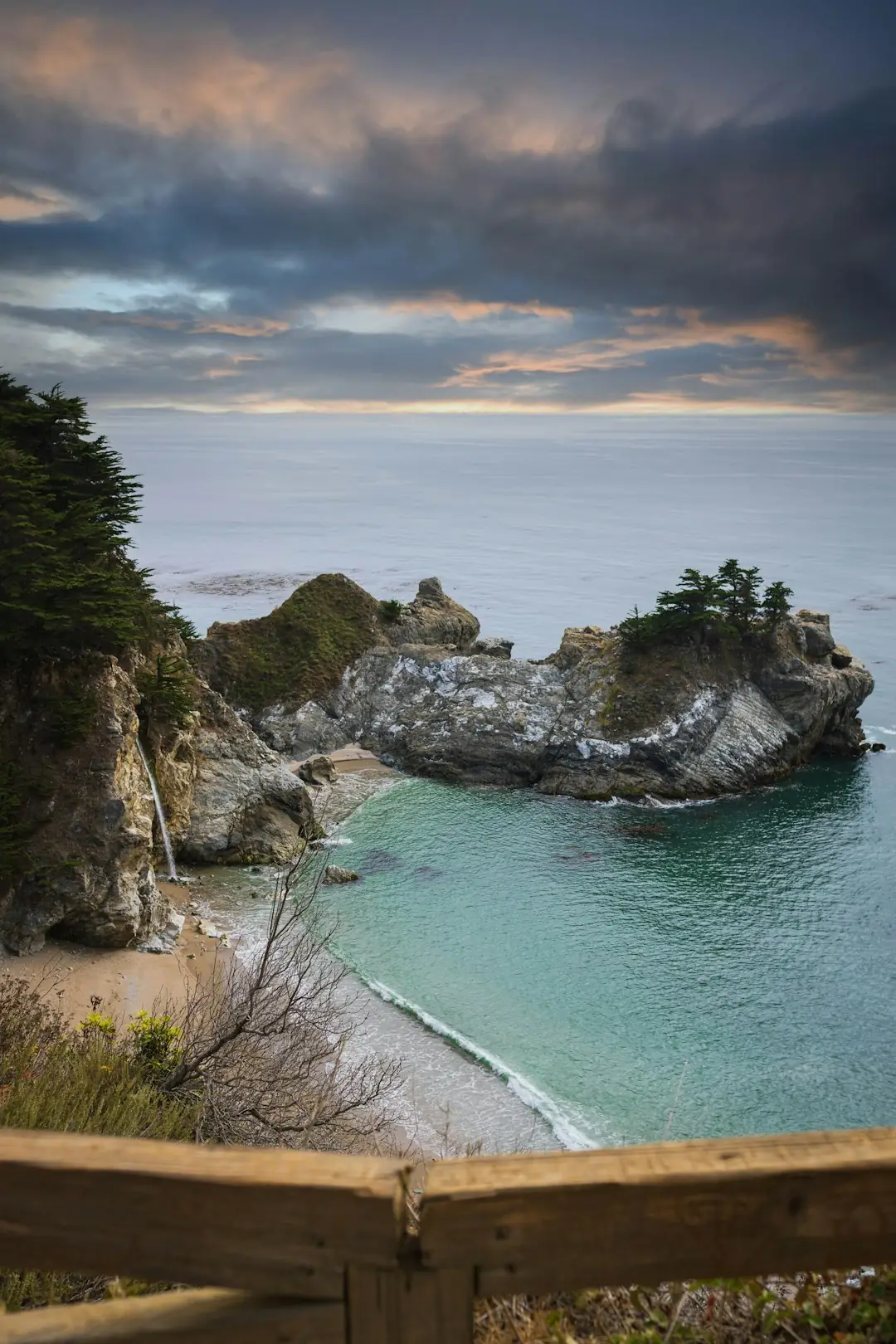
Photo by Joseph Menjivar on Unsplash
Julia Pfeiffer Burns State Park and nearby Big Sur headlands light up with coastal wildflowers that frame sea stacks, waterfalls, and cliffside views. Purple lupine and seaside daisy often edge paths above the ocean, creating dramatic foregrounds for coastal photos.
Trails vary from short overlooks to longer coastal stretches that connect hidden beaches and bluff-top meadows. Spring fog can soften light late into the morning, making sunrise and mid-morning windows ideal for moody, diffused shots.
Park along designated areas and expect narrow pullouts on Highway 1, especially during holiday weekends in spring. Staying on trails prevents erosion on fragile cliffside soils and helps keep plant communities intact.
Lassen alpine blooms above volcanic terrain
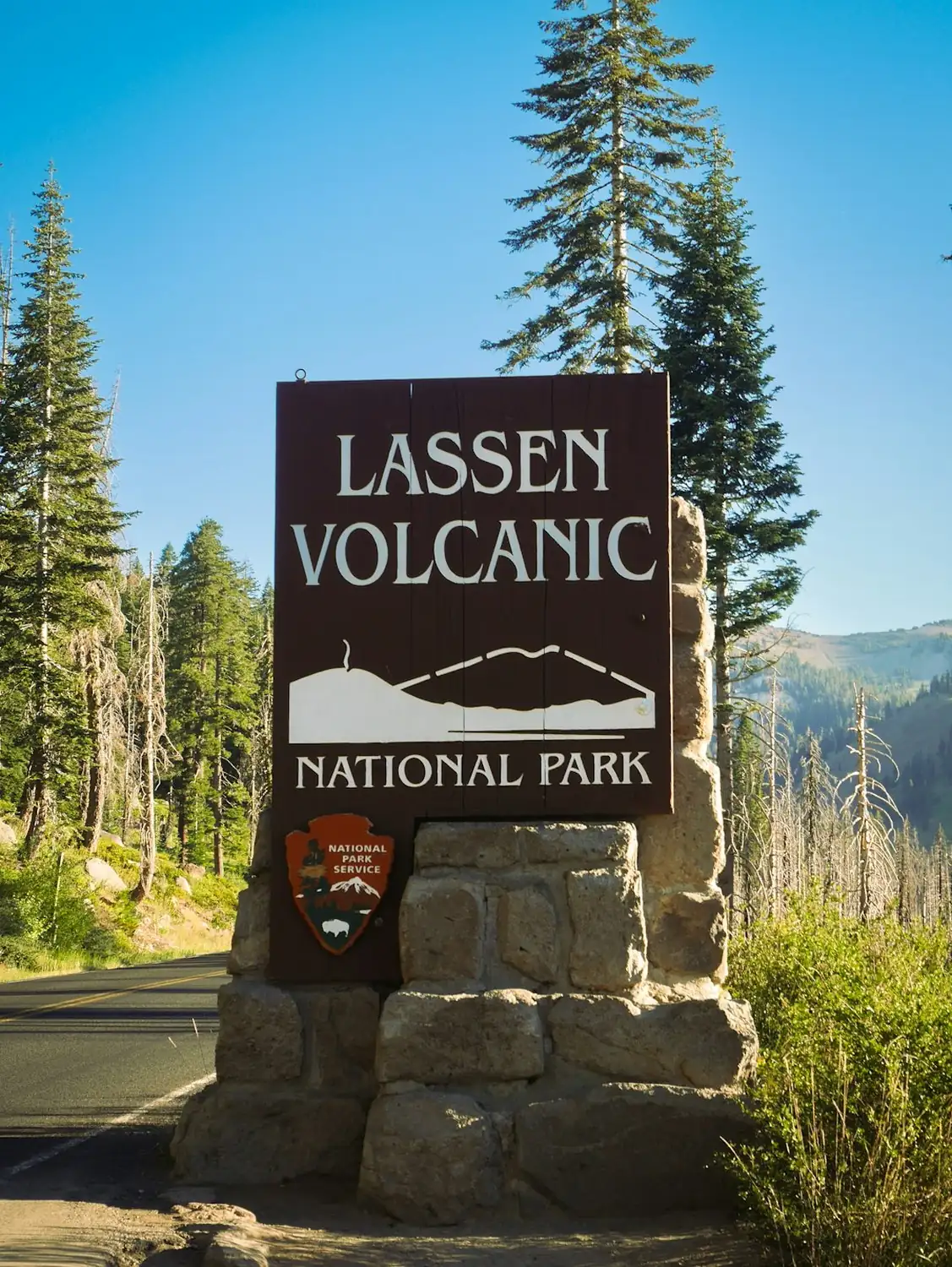
Photo by Macarena Ollarzú on Unsplash
Lassen Volcanic National Park transforms with spring and early summer wildflowers that carpet meadows near meltwater streams and volcanic ridgelines. Species like lupine, paintbrush, and mountain heather bloom as snow retreats, creating high-elevation color contrasts.
Hikes to Manzanita Lake, Summit Lake, and Lassen Peak meadows pass through zones where elevation controls peak timing and floral mixes. Expect cooler temperatures and lingering snow patches on higher trails well into late spring or early summer.
Check park road and trail openings after winter, and bring traction microspikes if planning early-season routes that cross icy sections. Following Leave No Trace principles helps protect fragile alpine soils and slow-growing plants.
Point Lobos hidden coastal flower pockets
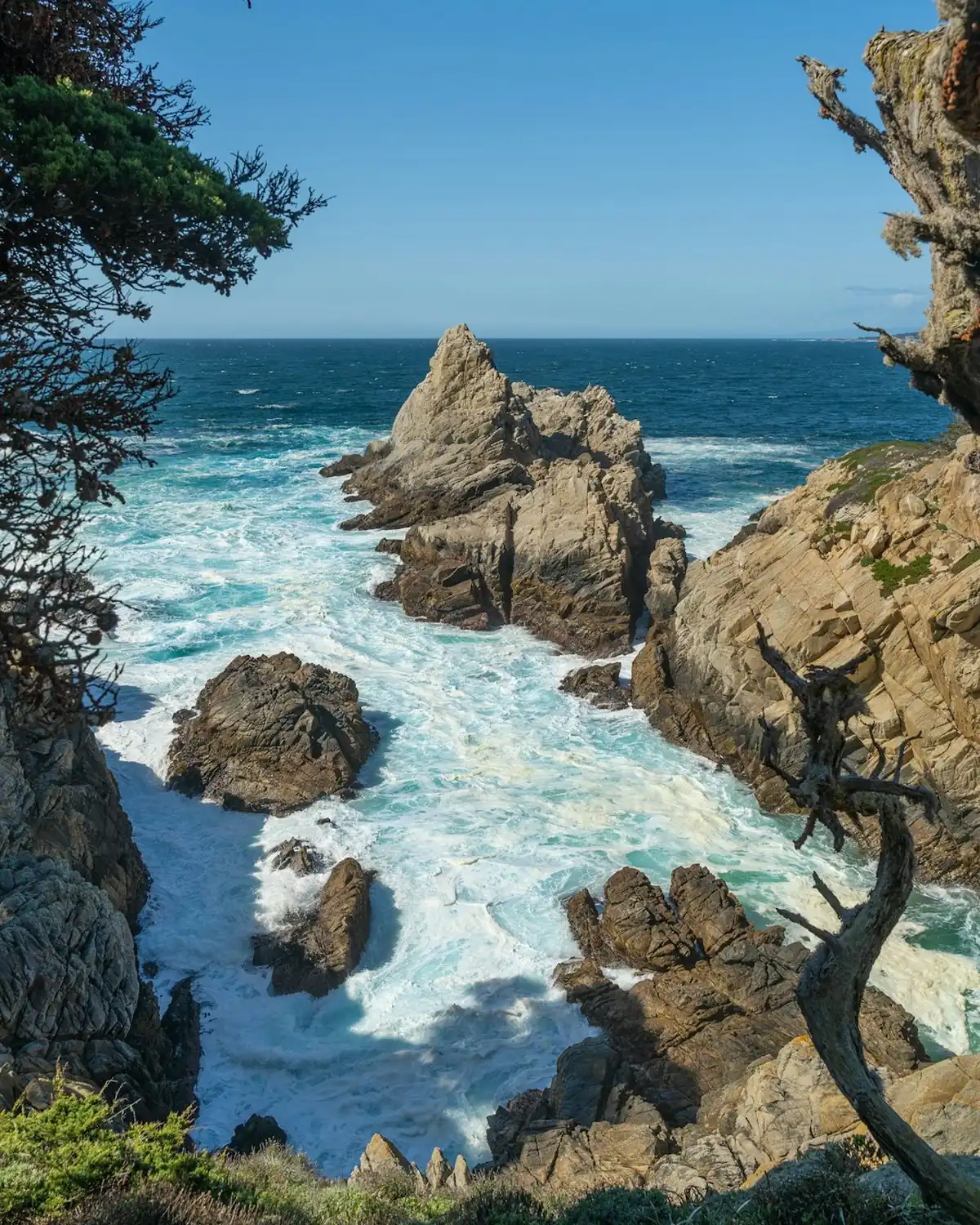
Point Lobos State Natural Reserve combines rocky coves, low cliffs, and coastal meadows where spring flowers add color to dramatic seascapes. Paths like the Cypress Grove and Hidden Beach trail show blooms that mingle with tidal textures and rocky outcrops.
Bloom patches are often small but intensely colored, enhancing compositions that pair flowers with tide pools and crashing waves. Short, well-maintained trails make this reserve accessible for gentle strolls and careful photography sessions during spring mornings.
Observe dog restrictions and stay on designated paths to preserve maritime chaparral and dune communities. Limiting trampling around small flower pockets keeps rare coastal plants healthy for coming seasons.
Mount Tamalpais ridgelines and wildflower loops
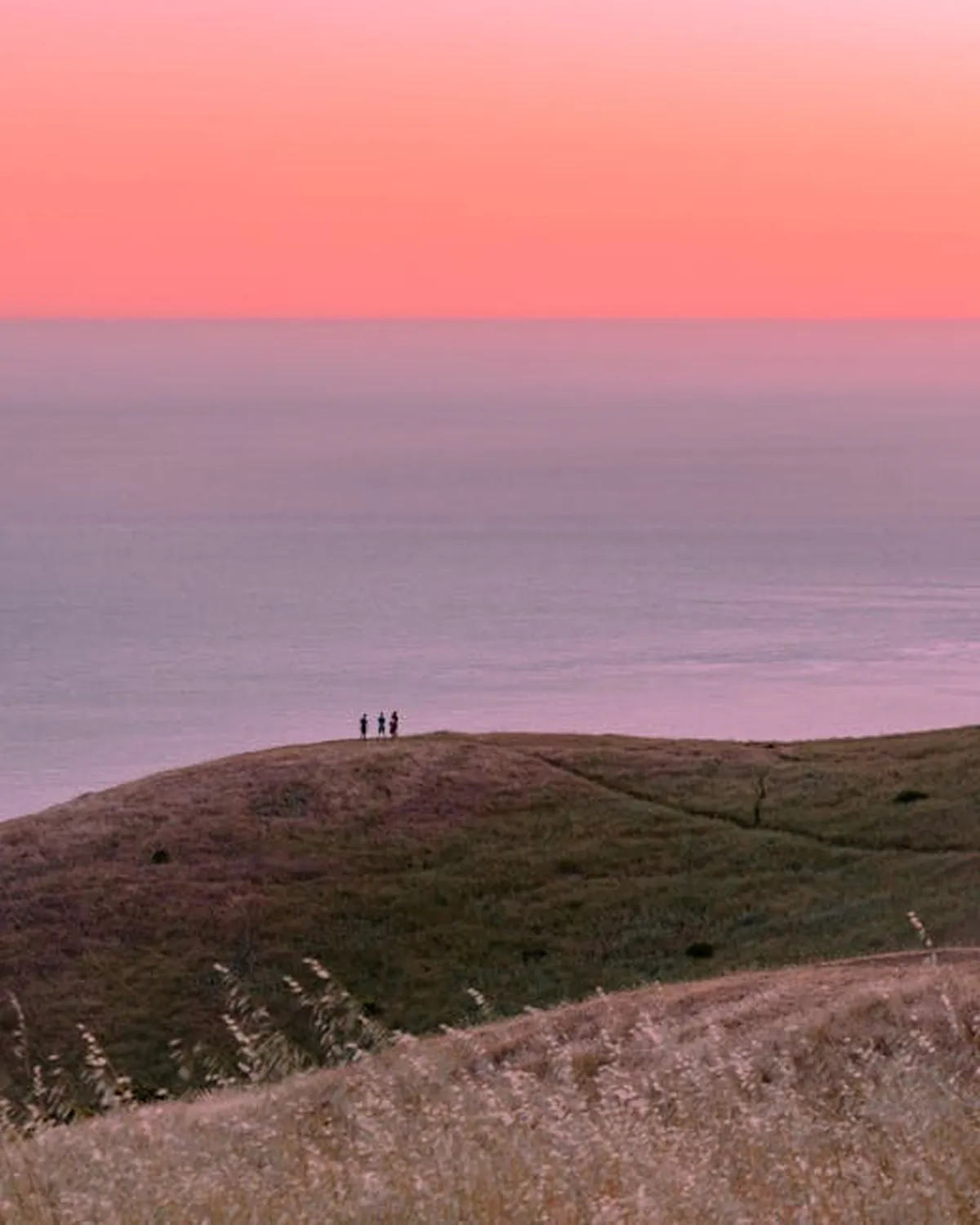
Photo by Abigail Sylvester on Pexels
Mount Tamalpais State Park offers ridgeline hikes where spring wildflowers appear against sweeping bay and ocean panoramas. Trails like the Matt Davis and Dipsea connect shaded forest sections with open grasslands that bloom with poppies and lupine.
Elevation and aspect create microclimates, so flowers can be abundant on a sunny southwest slope while nearby north-facing sections remain green and leafy. Sunrise hikes reward lower light and fewer people along popular viewpoints above Stinson Beach and Muir Woods access roads.
A daypack with layers and water suits these variable coastal hills, and trail etiquette keeps narrow sections safe for passing hikers. Respect seasonal closures in restoration zones to protect seedbeds and native grasses.
Death Valley’s rare spring burst of color
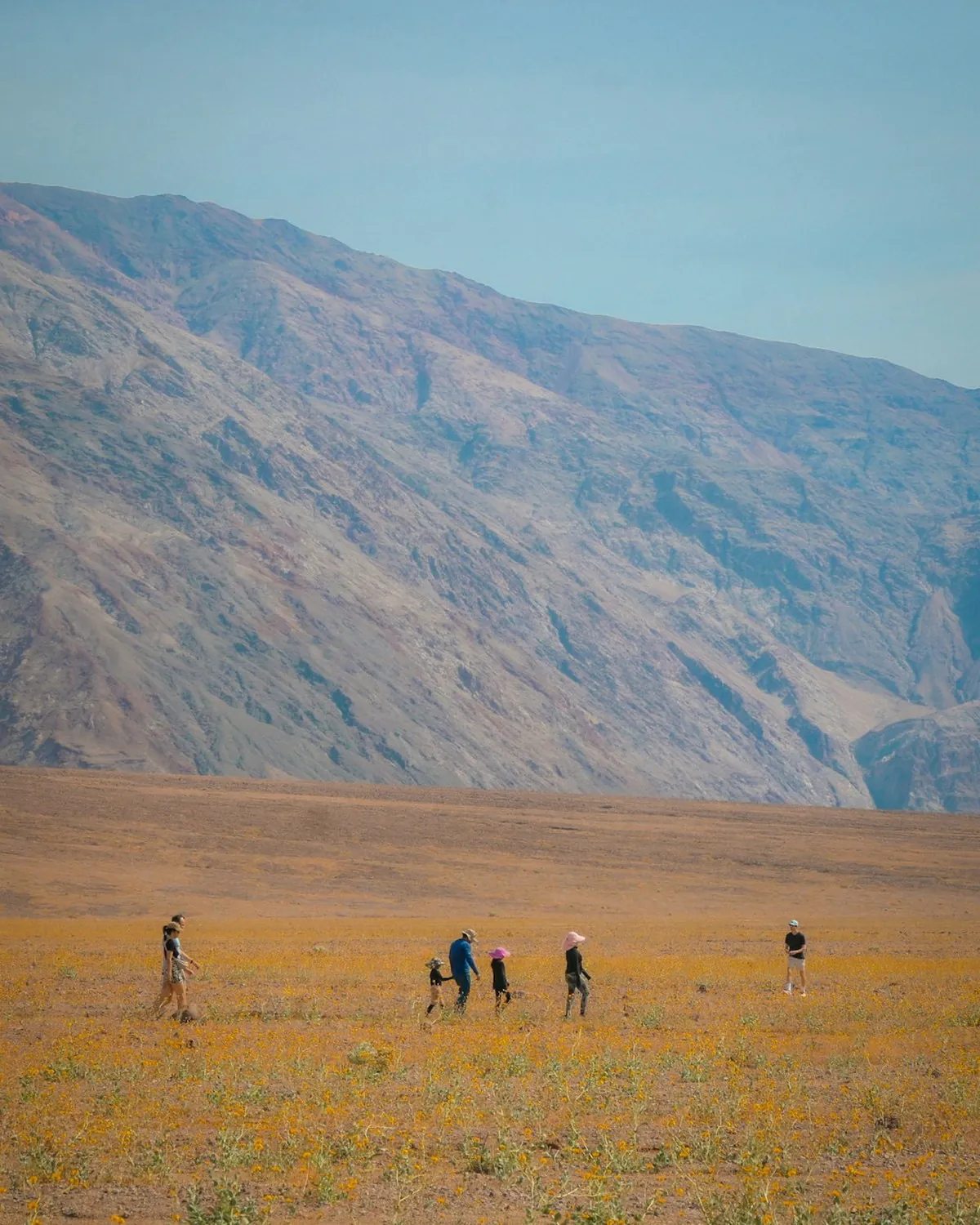
Photo by Victor Svistunov on Unsplash
Death Valley National Park produces spectacular wildflower blooms in wet years, with carpets of desert gold, sand verbena, and evening primrose across valley floors. Sites like Furnace Creek and the Salt Creek area can transform after winter rains into ribbons of color framed by stark desert ridges.
Timing and intensity hinge on basin rainfall and cooler winter temperatures that allow seeds to germinate and flower in a narrow window. Early mornings bring cooler air and crisper light for capturing flowers set against lunar-like terrain and distant mountain silhouettes.
Drive and trail conditions change rapidly, so check park alerts and road closures before heading out in spring. Leaving seeds and plants undisturbed helps ensure rare desert blooms return when conditions allow.
Santa Rosa Plateau spring meadows and vernal pools
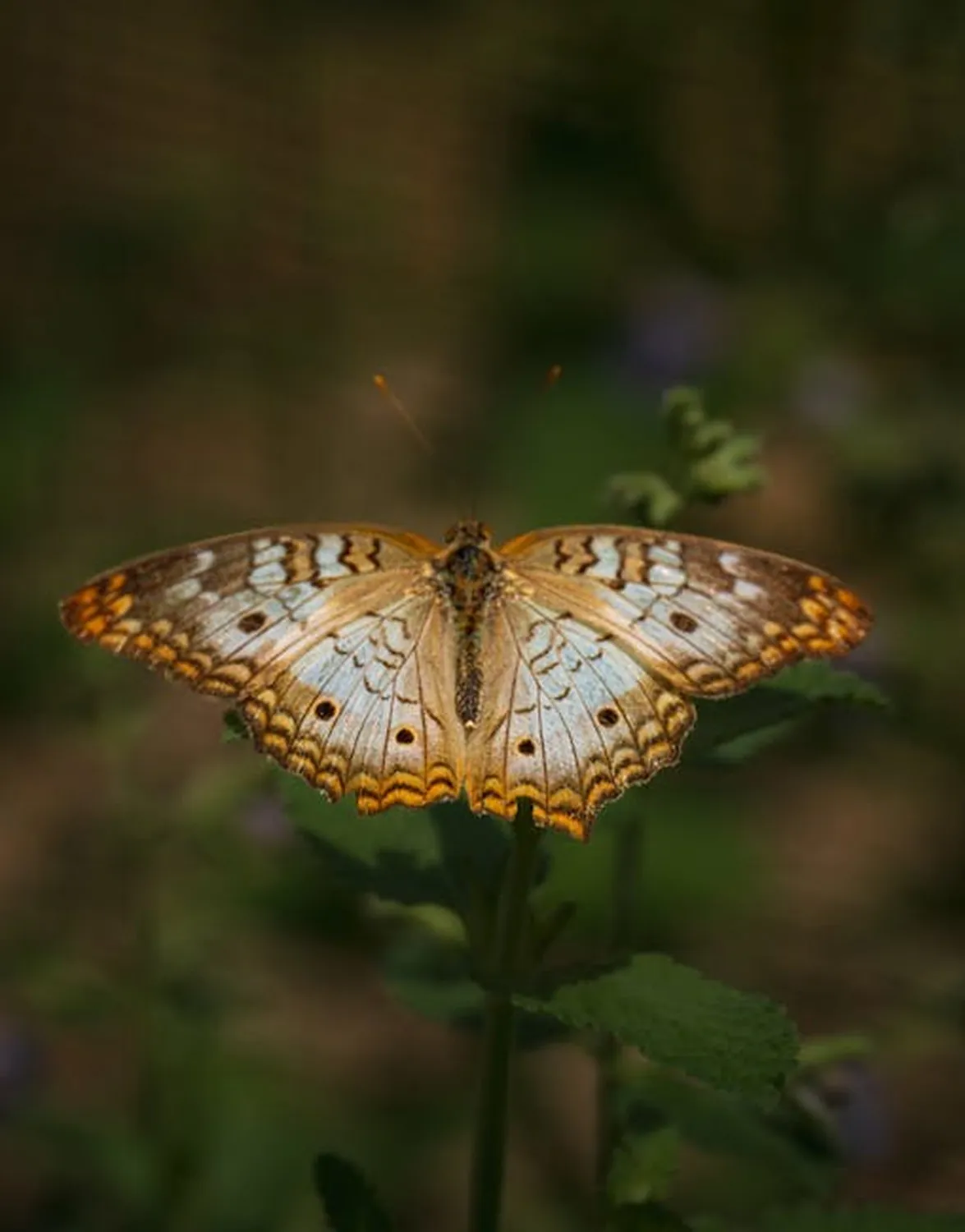
Photo by Dmytro Koplyk on Pexels
Santa Rosa Plateau Ecological Reserve features vernal pools and coastal sage scrub where spring wildflowers and native grasses flourish in mosaic patterns. Trails wind around wetlands and upland meadows that host a range of seasonal blooms and insect activity.
Wet-year springs can bring brilliant patches of goldfields, coreopsis, and award-winning displays of native wildflowers against oak-studded hills. Boardwalks and designated viewing platforms protect sensitive pool edges while offering close perspectives for photography and observation.
Mind seasonal access rules that protect breeding amphibians and plant recovery areas within the reserve. Staying on trails and respecting interpretive signage preserves the delicate ecology around vernal pools.
Mendocino headlands wildflowers by the sea
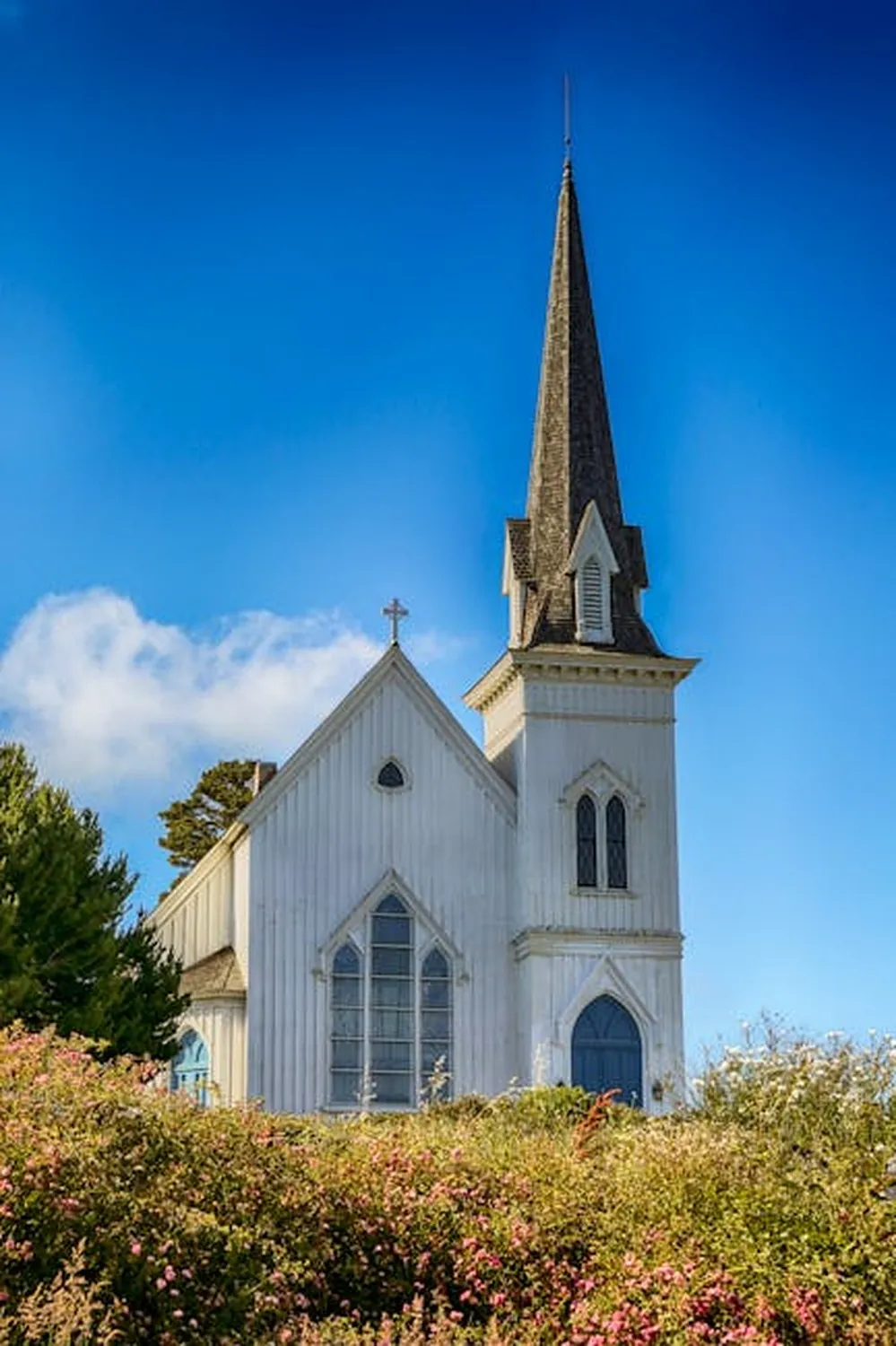
Photo by Mick Haupt on Pexels
Mendocino Headlands State Park frames coastal cliffs and tidepools with spring blooms that soften rugged shorelines. Coastal daisies, seaside succulents, and small meadow patches add color to vistas of crashing waves and rocky points.
Short loops near the town of Mendocino make for easy strolls with abundant photo opportunities at bluff edges and sheltered coves. Cooler coastal temperatures extend bloom life and create moody skies that enhance floral tones during overcast mornings.
Park on designated streets and use marked paths to keep fragile cliff-top soils intact and minimize erosion. Enjoy panoramic views while leaving plants and seedheads in place for birds and pollinators later in the season.
Point Dume bluffs meet spring coastal blooms
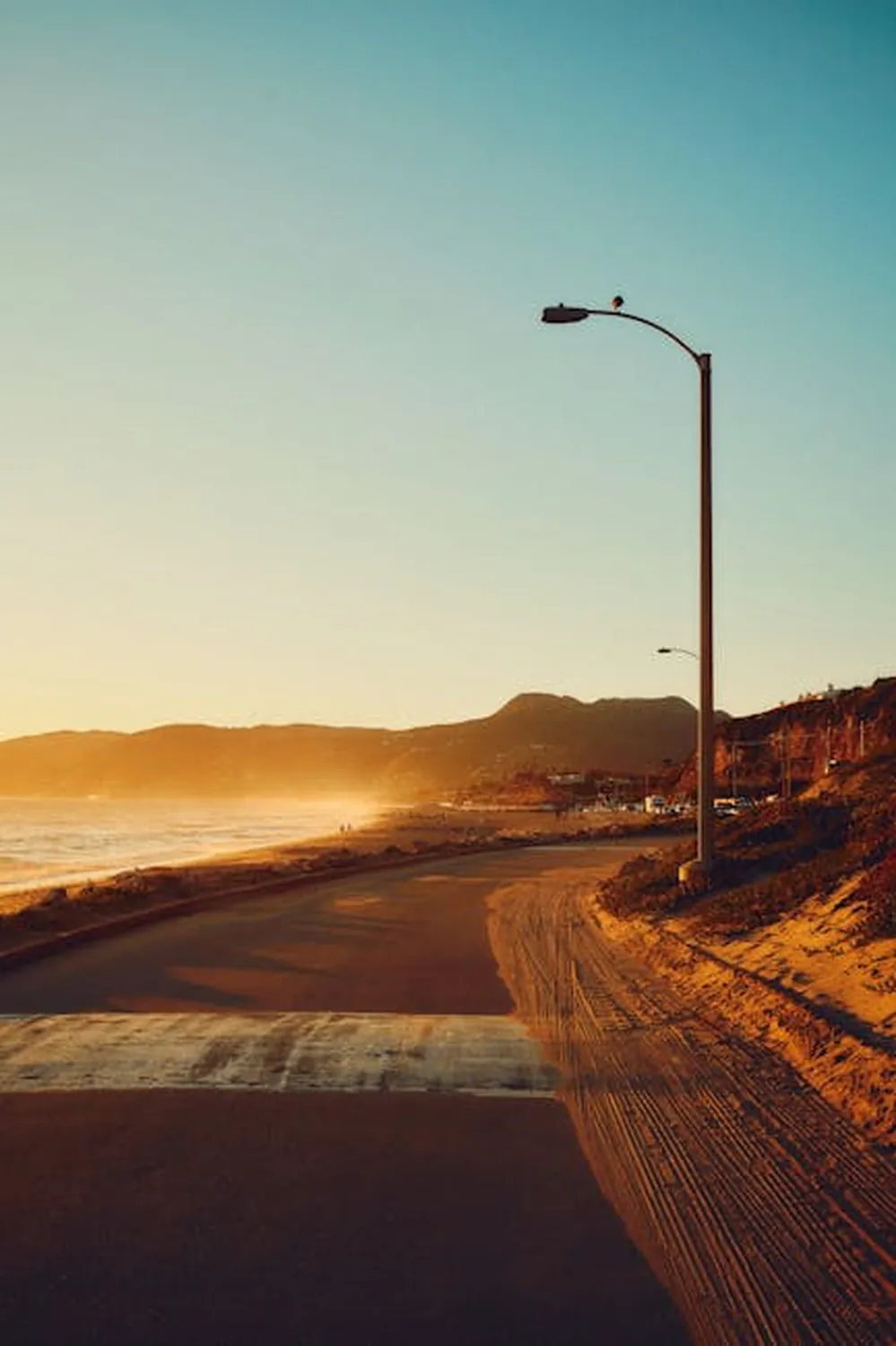
Photo by Julian Dahl on Pexels
Point Dume State Beach in Malibu offers bluff-top wildflower patches and coastal scrub that glow in spring light above sandy coves. Trails along the headland reveal bright flowers framed by distant Catalina Island and Pacific ripples.
Morning hikes combine low-angle sunlight with cooler breezes, making it easier to photograph flowers with the ocean as a backdrop. Short trails lead to rocky beaches where spring wildflowers meet tide-swept shorelines and kelp-encrusted rocks.
Use designated access points and avoid cliff edges where erosion exposes root systems and fragile soils. Following posted guidelines protects nesting birds and the small coastal plants that thrive on the bluff.
Yosemite Valley meadows: high-country floral scenes
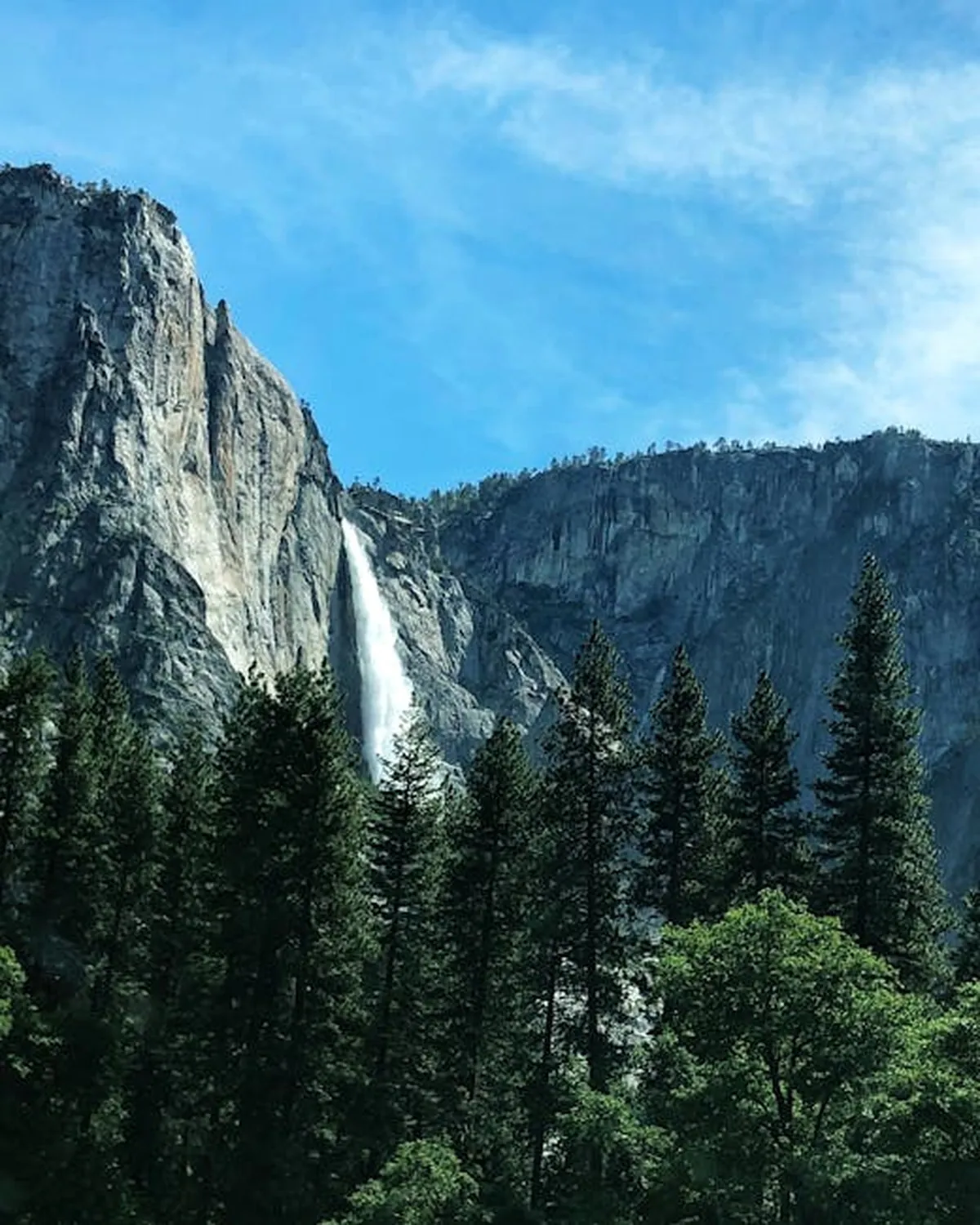
Photo by Jstyn Strain on Pexels
Yosemite Valley hosts alpine and subalpine meadows that bloom with Spring wildflowers in California as snowmelt feeds wet soils and streams. Tuolumne and valley-floor meadows display paintbrush, lupine, and onion species in late spring and early summer.
Flat valley trails like Cook’s Meadow and meadows accessible from Glacier Point offer sweeping views where flowers sit beneath granite walls and waterfalls. Higher-elevation trails toward Tuolumne Meadows shift bloom timing later into summer, creating staggered flower seasons across elevation bands.
Check park conditions for snowmelt-driven trail openings and practice Leave No Trace in meadow areas to protect delicate root mats. Visiting during shoulder-season mornings reduces crowding while keeping impacts on vegetation low.