As an Amazon Associate I earn from qualifying purchases.
Tulip fields in the Netherlands paint spring roads and bike paths with ribboned color, and tulip fields in the Netherlands draw photo hunters, garden lovers, and day-trip planners.
Netherlands tulip fields spread across the Bollenstreek and Flevoland, with Dutch tulip fields near Lisse and Anna Paulowna filling maps and itineraries for tulip fields in the Netherlands season and tulip fields Netherlands trips.
Keukenhof Gardens: Lisse’s famous spring show
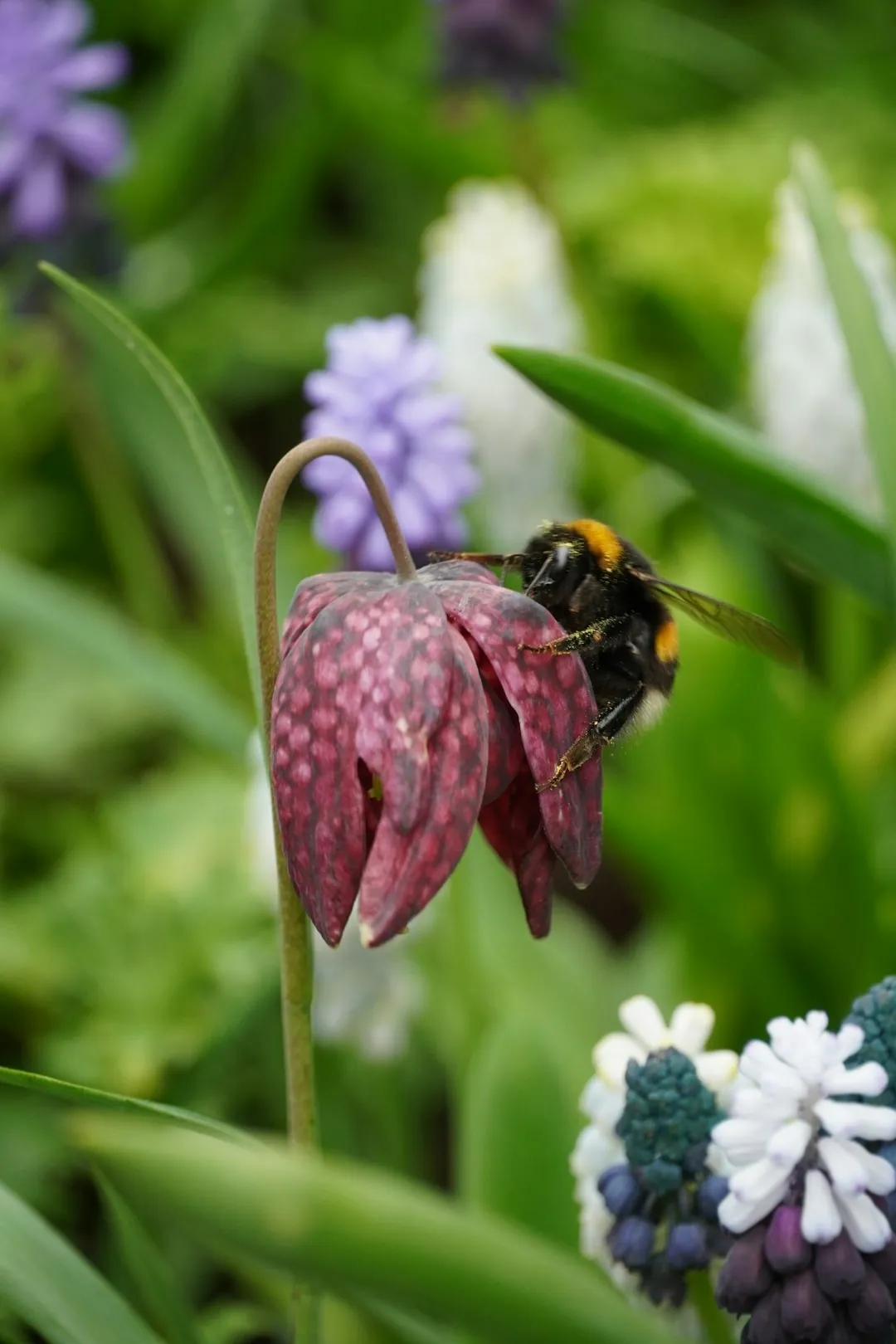
Photo by Donghun Shin on Unsplash
Keukenhof Gardens in Lisse stages sweeping tulip beds, themed pavilions and sculpted displays across acres of curated planting. Walkways guide visitors past densely planted color blocks and smaller specialty displays, creating a gardened contrast to the open bulb fields that fringe the town during peak bloom.
Keukenhof runs for a limited spring season with mid-April often at peak color. On-site maps, cafes and flower shows make for easy pacing, while buses and bike routes link Lisse station to the gardens for a combined park-and-field outing.
• • •
Drive the Bollenstreek bulb fields in bloom
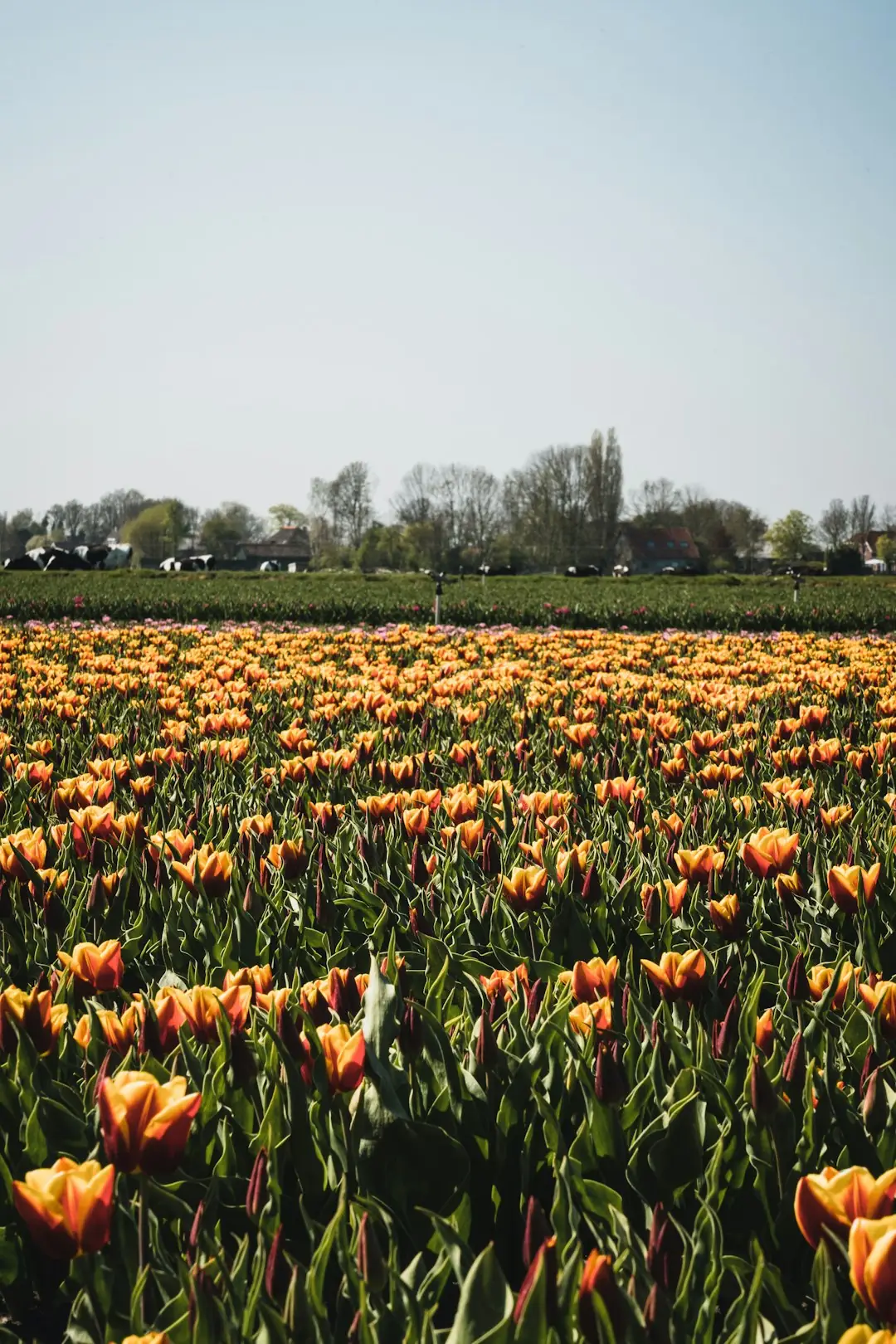
Photo by Mitchel Willem Jacob Anneveldt on Unsplash
The Bollenstreek bulb region stretches between Haarlem and Leiden with neat strips of tulips, hyacinths and daffodils framing farmland roads. Fields here form long, photographed bands of color, with small villages, greenhouses and roadside stalls offering local bulbs and seasonal snacks along sightseer routes.
Scenic drives and short walks work well when spring weather is calm; plenty of pull-offs and local signage mark viewing spots. A slow morning or late-afternoon pass through the Bollenstreek reveals changing light and quieter lanes away from the busiest areas.
• • •
Noordoostpolder: vast Flevoland tulip plains
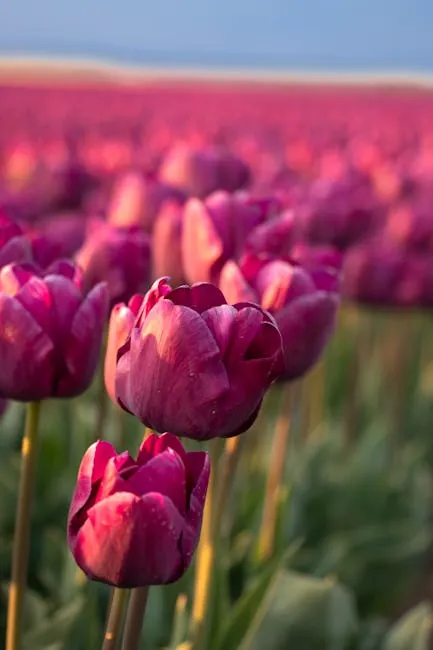
Photo by Julissa Buiten on Pexels
Noordoostpolder in Flevoland offers wide, open tulip expanses where long rows stretch to the horizon under big skies. This reclaimed-land landscape produces large-scale bulb plantings, with seasonal farm roads and raised viewpoints giving expansive photographic angles and an agricultural rhythm different from garden parks.
Late-April visits often match peak bloom across the polder. Local farm markets and small visitor centers provide context about bulb cultivation, while cycling routes thread between fields for a peaceful, wide-view tulip experience.
• • •
Download printable itineraries, packing lists, and travel guides with high-resolution maps sent to your email immediately for your next trip.

One printable guide · $19.99 · yours forever
Anna Paulowna: North Holland’s classic tulip panorama
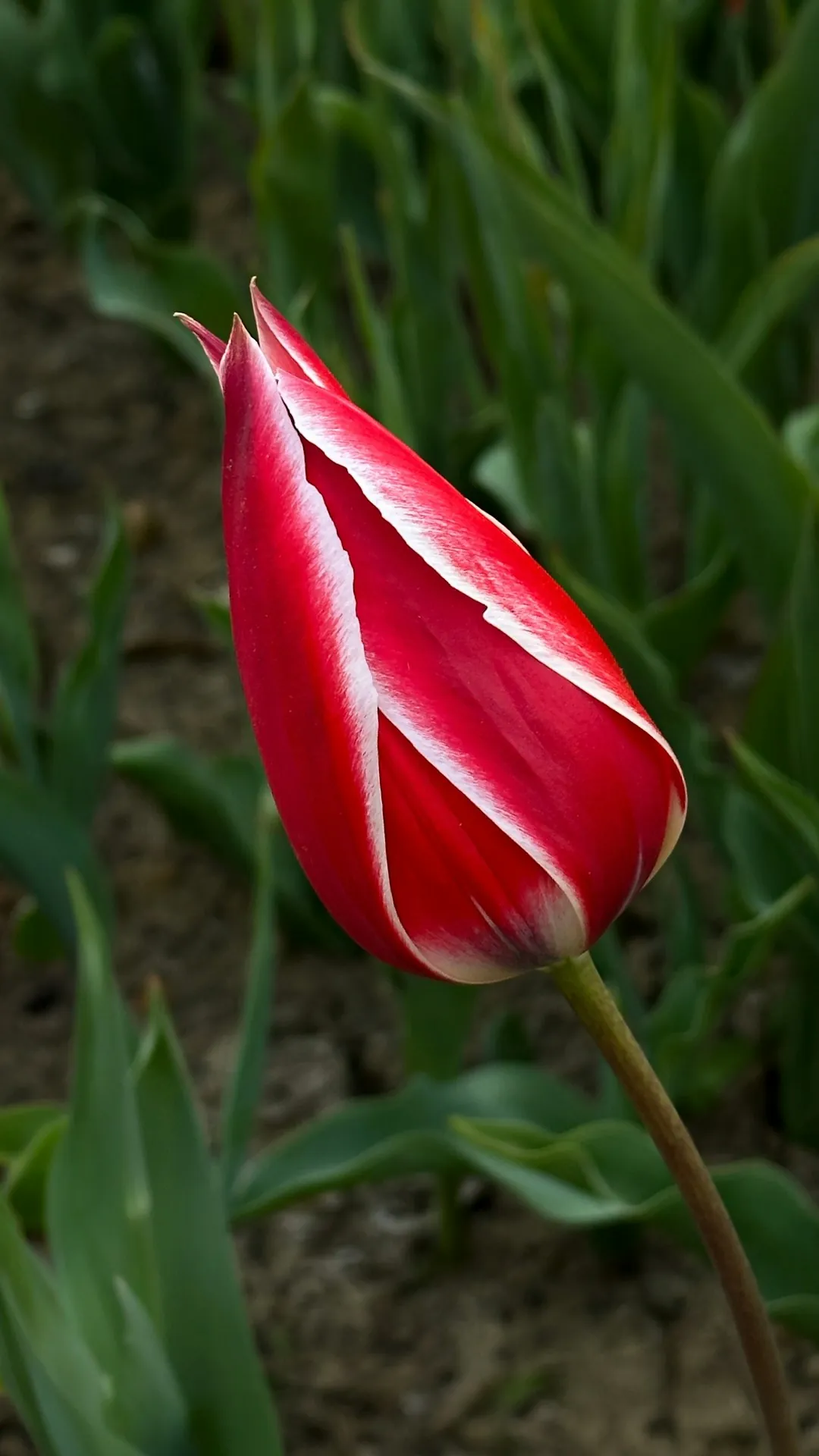
Photo by Hacı Elmas on Unsplash
Anna Paulowna and the surrounding North Holland lanes showcase long, traditional tulip strips and mixed bulb plantings close to roadside ditches and farmhouse clusters. The area’s tidy plots and straight canals create reflective photos and a calm, rural atmosphere that contrasts with busier garden attractions.
Field season here aligns with mid-April to late April; weather and planting schedules shift the peak slightly each year. Local farm stands sometimes sell freshly cut buckets for casual bouquets and quick, on-route souvenirs.
• • •
Texel tulip fields: island blooms and sea air
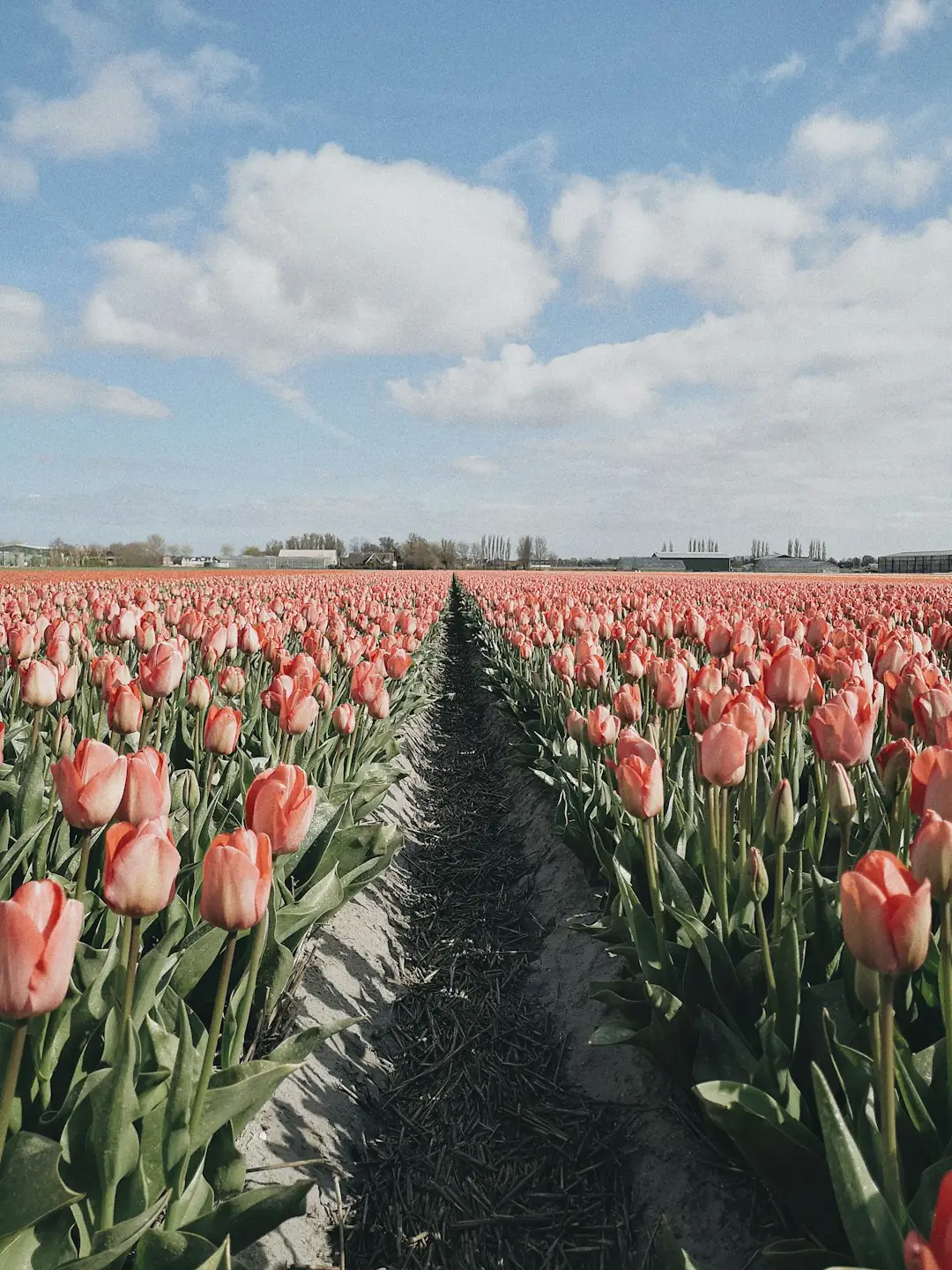
Photo by Miska Sage on Unsplash
The island of Texel pairs coastal scenery with seasonal tulip plantings, giving visitors coast-and-color combinations rare on mainland routes. Fields near village roads and dunes produce framed views where ocean light softens color contrasts and small fishing harbors sit a short ride from bulb strips.
Texel is reached by ferry from Den Helder, with bike paths linking fields to beaches and lighthouses. Early spring wind can be brisk, so layered clothing and a camera with a wind-resistant setup help capture steady images of the blooms.
• • •
Wieringermeer fields near Den Helder and Wieringen
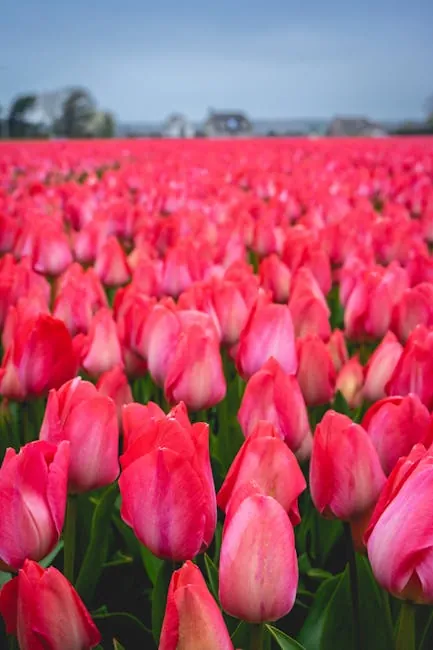
Photo by Sonny Vermeer on Pexels
Wieringermeer offers organized bulb farms and open tulip rows on reclaimed land near Den Helder, with canals and straight farm roads creating clear perspectives. The flat terrain and gridlike layout provide classic wide-angle views of color bands stretching beneath broad skies.
Spring light in Wieringermeer can be crisp and very photogenic during golden hours. Small local maps identify accessible edges of fields and note privately owned parcels to respect while stopping for photos or short walks.
• • •
N207 flower strip: roadside color between towns
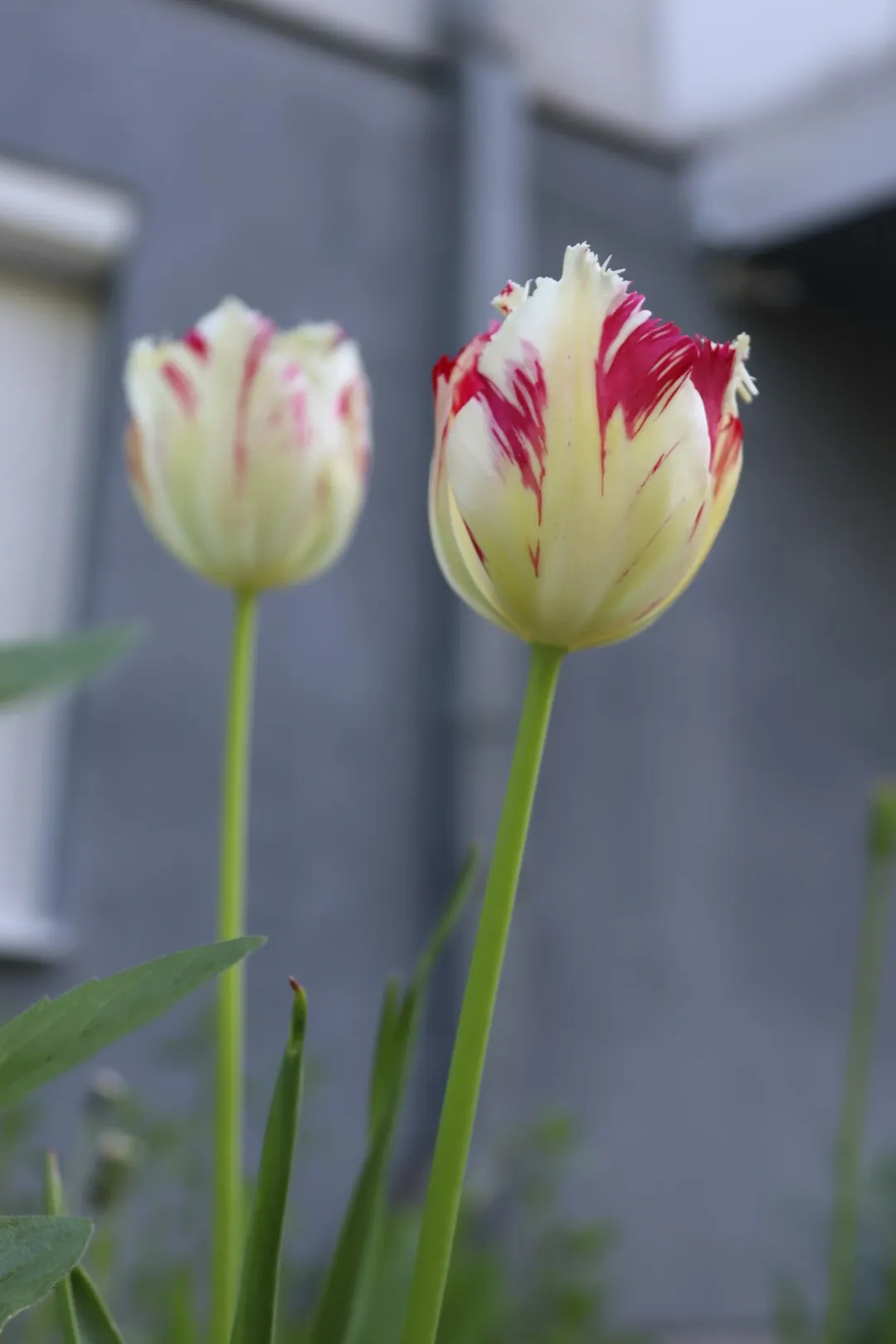
The N207 flower strip runs through the heart of bulb country, linking towns with roadside bands of tulips and seasonal wildflower borders. This narrow but continuous corridor provides easy stops and quick photo frames, where traffic-calmed areas and designated lookouts let visitors pause without entering private plots.
Timing a mid-morning or late-afternoon drive along the N207 avoids busier coach times. Maps highlight official pullouts and nearby cafes for short breaks between viewing stretches along the route.
• • •
Hillegom fields and small-town bulb charm

Photo by Sonny Vermeer on Pexels
Hillegom sits within the core bulb belt and offers nearby tulip plots threaded with cycling lanes and village streets. Fields open onto small squares and local bakeries, creating a low-key spring circuit where moments of color appear between domestic scenes and horticultural sheds.
Hillegom is compact enough for a relaxed half-day visit combining field views and cafe stops. Seasonal bulletin boards in town list local flower sellers and occasional farm events for hands-on flower buying.
• • •
Windmill views over Keukenhof tulip fields
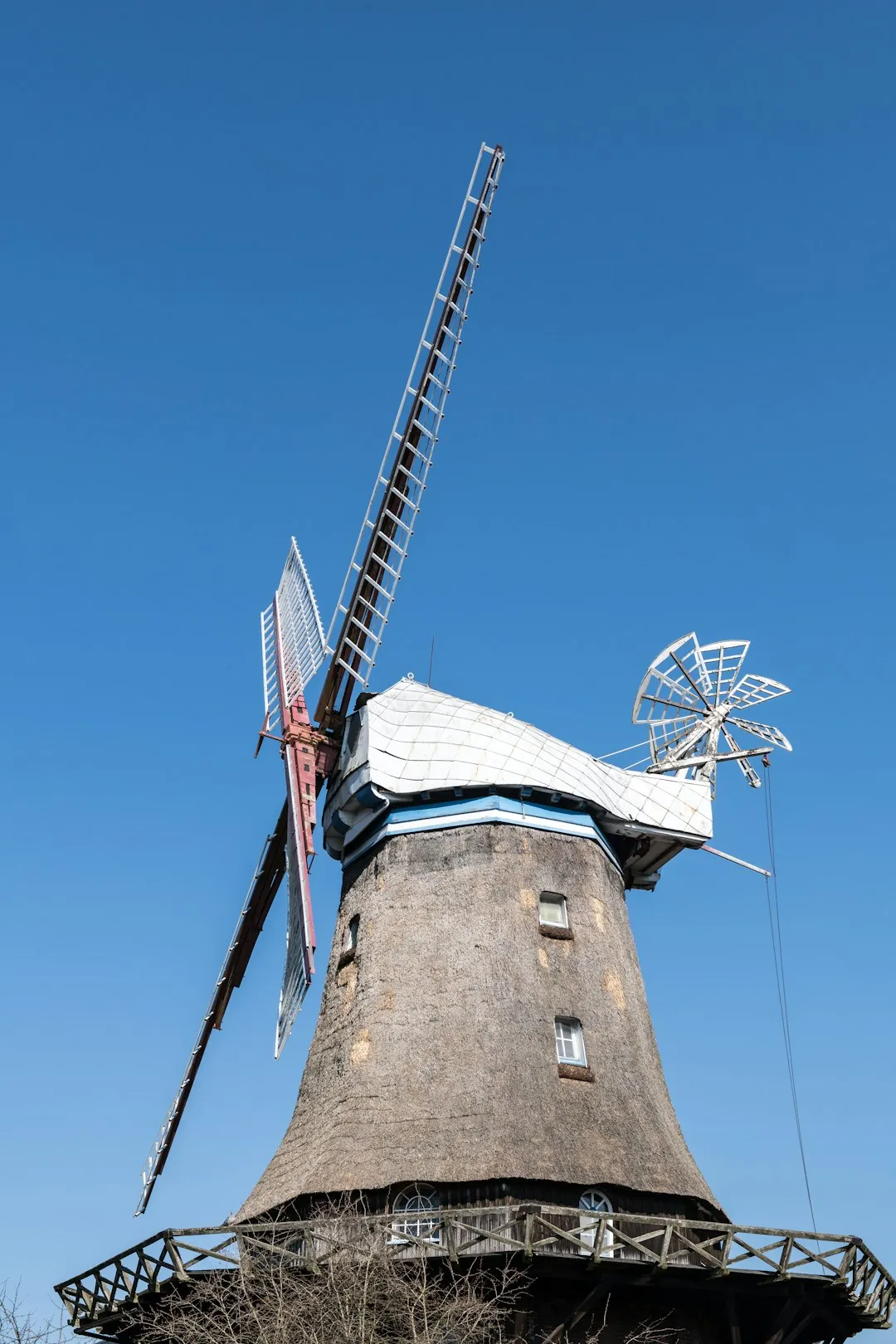
Photo by Wolfgang Weiser on Unsplash
Several traditional windmills near Keukenhof offer raised vantage points over nearby bulb fields, pairing engineered gardens with agricultural bands of tulips. From these mills, rows and horticultural plots align into graphic patterns while old blades frame the foreground for classic Dutch compositions.
Some mills host casual viewpoints or are visible from public paths; others are occasionally open for entry. Combining a short mill stop with garden or field photography adds historical context to the floral panorama in Lisse.
• • •
Bike the Bollenstreek: tulip route by pedal power

Photo by Walid Ahmad on Pexels
Cycling through the Bollenstreek offers close-up access to tulip edges, canals and village lanes at a gentle pace. Designated bike routes connect Lisse, Noordwijk and adjacent towns with clear signage and frequent benches, so the trip becomes a sequence of short views rather than a single stop.
Routes are family-friendly and suit casual riders; seasonal bike rentals and maps are available in nearby towns. Early morning rides often meet quiet fields and soft light before roads grow busier with other visitors.
• • •
Schagen spring fields and quiet country lanes
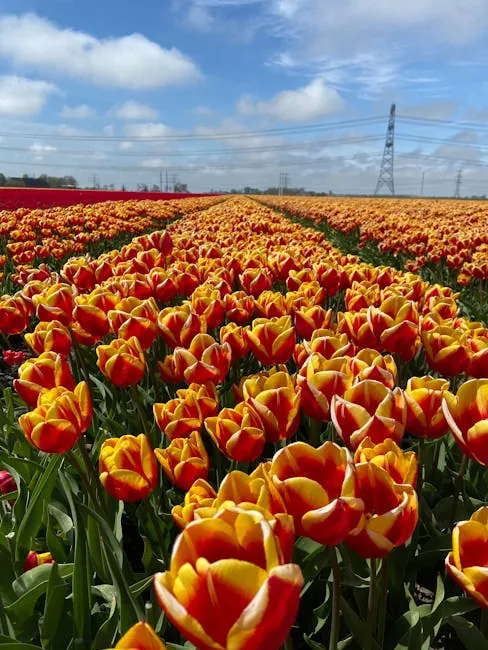
Schagen and surrounding polder villages host tidy tulip strips set beside canal paths and low hedgerows, giving a slower, countryside-focused viewing experience. The area’s small roads and traditional farms create pockets of color where local life continues alongside seasonal planting.
Schagen pairs field visits with market towns and coastal detours, making it suitable for a combined rural-and-seaside outing. Checking local bloom reports helps align visits with peak field color and quieter off-peak hours.
• • •
Noordwijkerhout fields with dune and sea backdrop
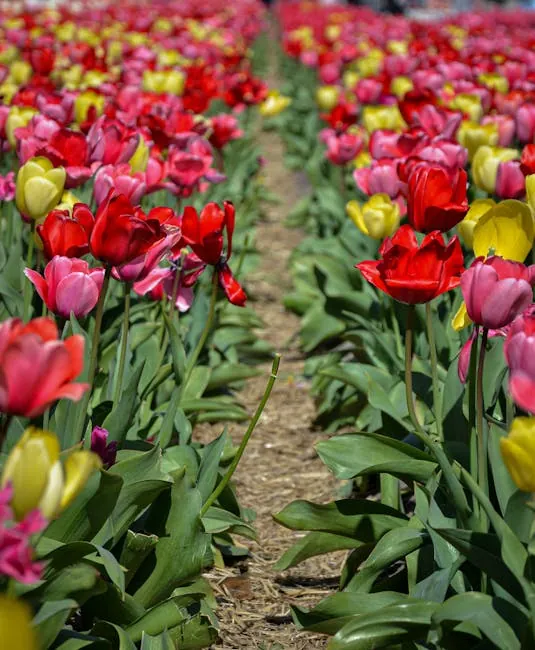
Photo by Antoine Conotte on Pexels
Noordwijkerhout places bulb strips within sight of dune landscapes and nearby beaches, offering a mix of inland color and coastal texture. Fields here often run close to sandy tracks, and seasonal plantings contrast with native dune grasses and maritime light conditions.
Combining a short beach walk with field viewing provides layered scenery in one outing. Local parking and bike lanes make it easy to move from coast to bulb strips without long transfers between sites.
• • •
Tulip Museum Amsterdam: bulbs, history, culture
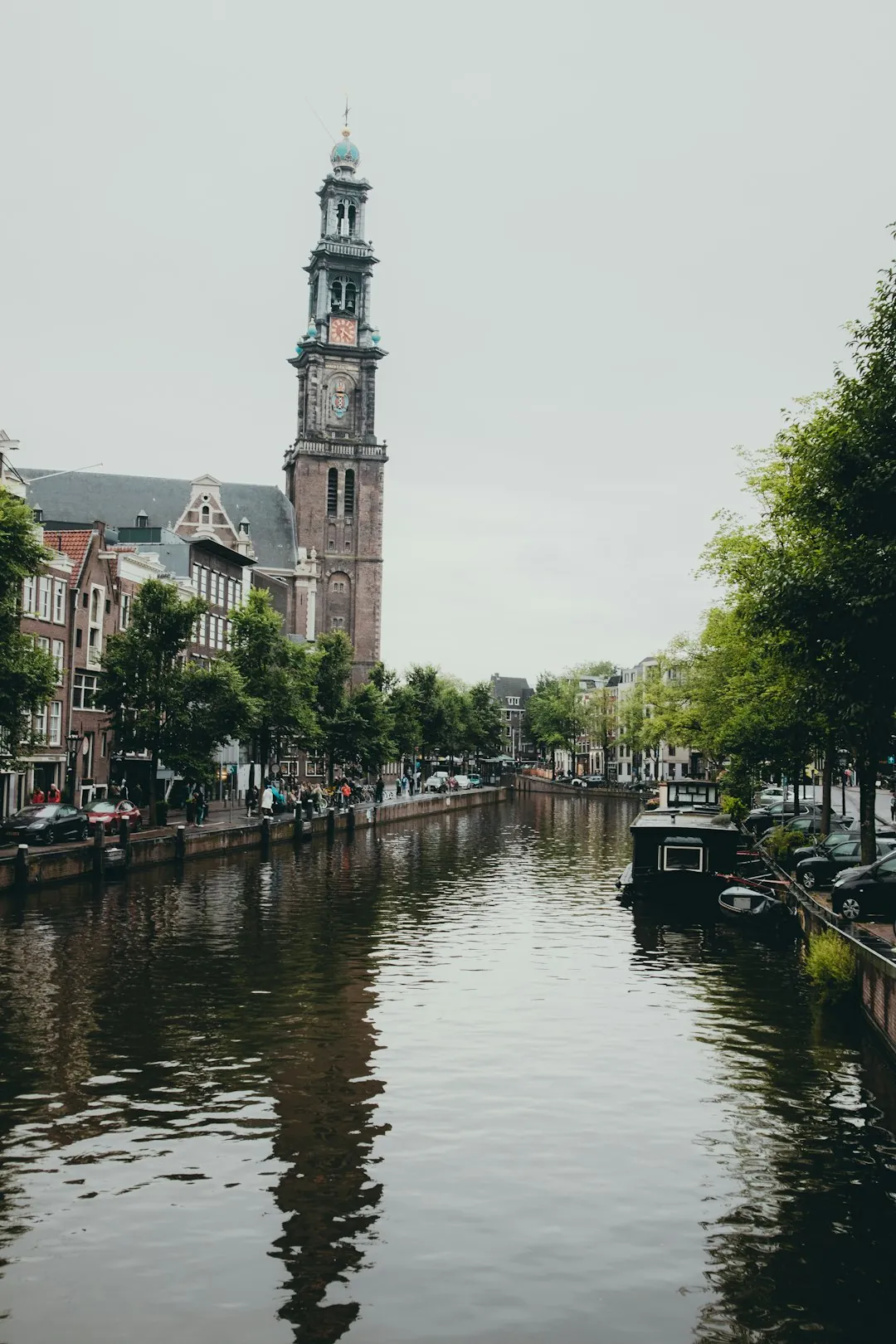
Photo by Anna Hunko on Unsplash
The Tulip Museum in Amsterdam explores the history of the bulb trade, botanical varieties and the cultural role of tulips in Dutch life. Exhibits include historical prints, bulb-holding tools and contextual displays that trace how tulip cultivation shaped regional and economic stories.
Visitors can pair a city stop with market displays and seasonal urban plantings. Museum hours vary in spring; combining the museum with a brief canal-side walk offers a contrast between cultivated displays and field landscapes outside the city.
• • •
Keukenhof Castle grounds and nearby bulbs
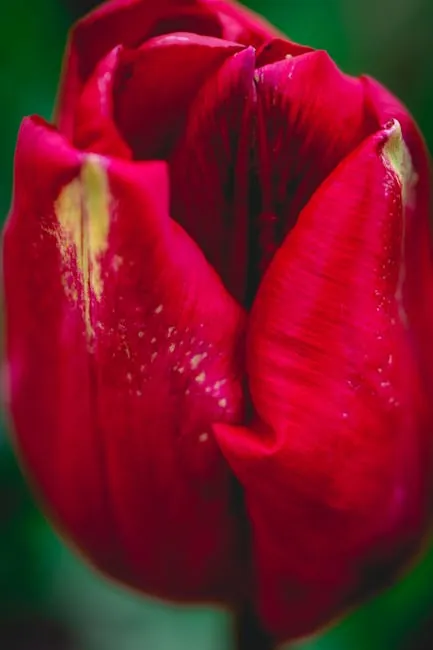
Photo by Sonny Vermeer on Pexels
Keukenhof Castle sits close to the famous gardens and is surrounded by parkland and adjacent bulb fields, creating a quieter pocket of estates and formal planting. The castle’s historic setting anchors nearby seasonal displays and offers a calm counterpoint to busier garden zones.
Walking the castle grounds provides framed views of nearby field strips and pond reflections. Local signage notes public paths and any restricted areas, which helps maintain respectful visiting while enjoying surrounding tulip color.
• • •
Amsterdam Tulip Festival: city blooms in April
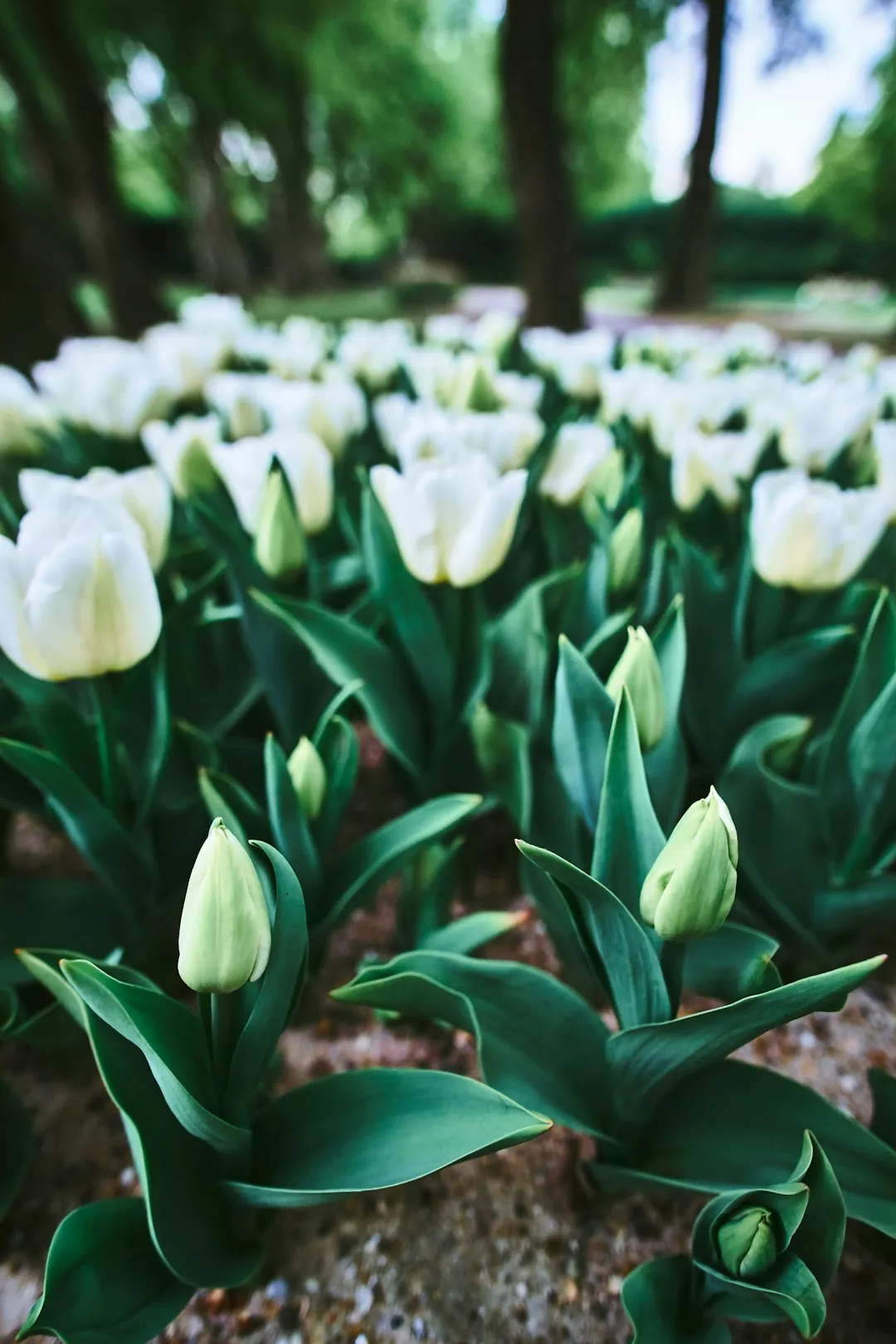
Photo by Nicola Pavan on Unsplash
The Amsterdam Tulip Festival places bulb plantings across public squares, canalsides and park beds around the city, bringing tulip color into urban settings each April. These curated city displays allow viewers to see many bulb varieties without leaving central neighborhoods, merging horticulture with everyday city life.
Maps list participating locations, making a stroll between installations a pleasant way to sample tulip types. Pairing festival spots with local cafes and markets turns short walks into a relaxed urban floral route.